Paper2017
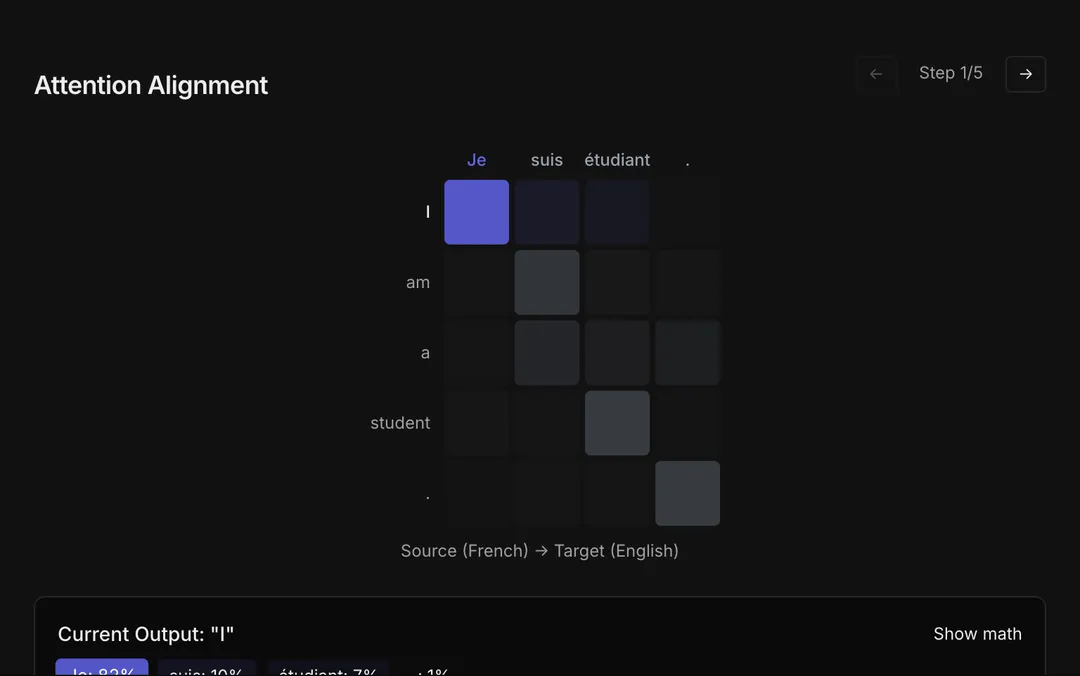
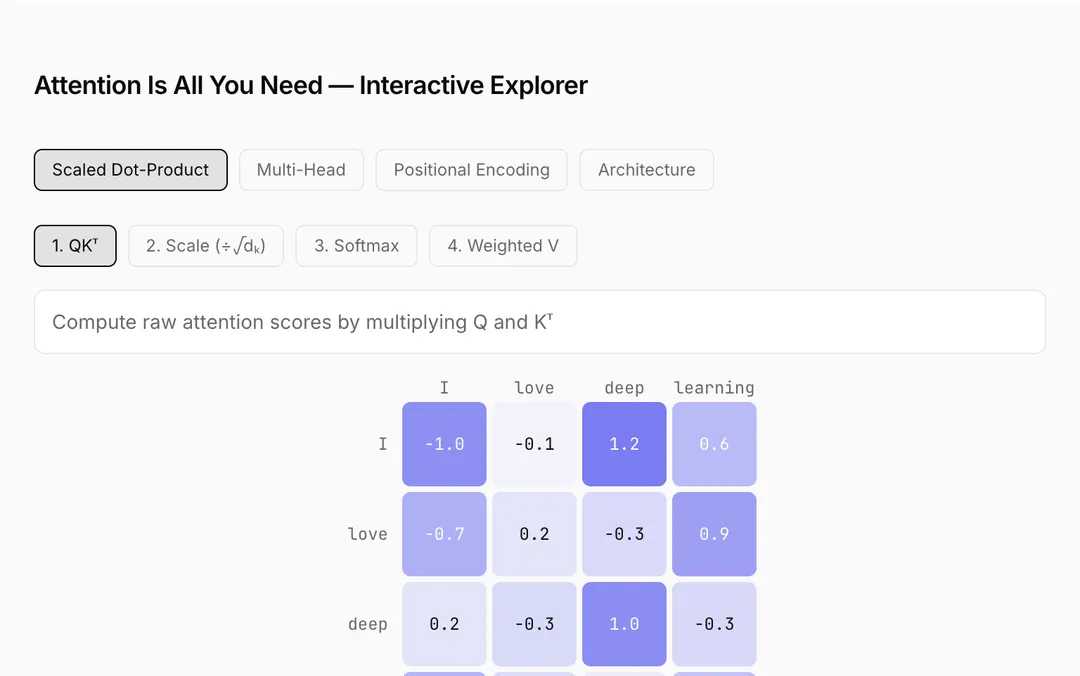
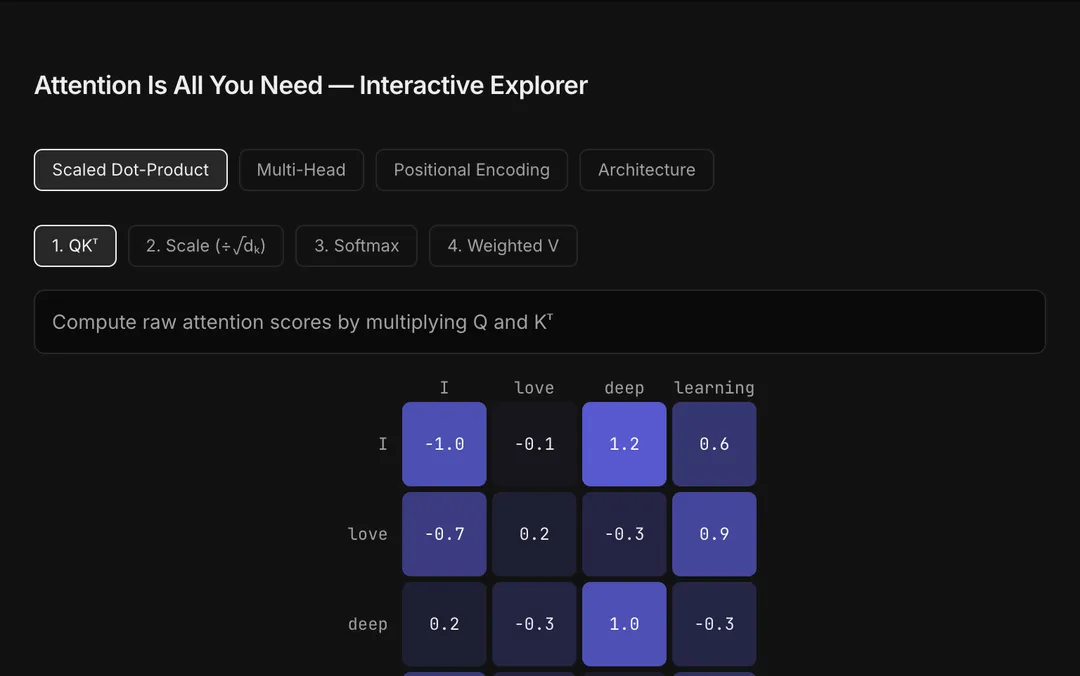
Attention Is All You Need
Vaswani et al.
The 2017 paper that introduced the Transformer architecture
The things worth knowing on the way into the singularity. A growing collection of time-tested cool things in AI: papers, software, interviews, positions, demos, and blogs, each explained with an interactive demo and linked to the originals.
58 entries 57 interactive demos 159 resources
Share it with your AI: llms.txt llms-full.txt Ask Claude Ask ChatGPT
From gradients to policies, in eight steps.
58 entries
Paper2017
Vaswani et al.
The 2017 paper that introduced the Transformer architecture
Paper2026
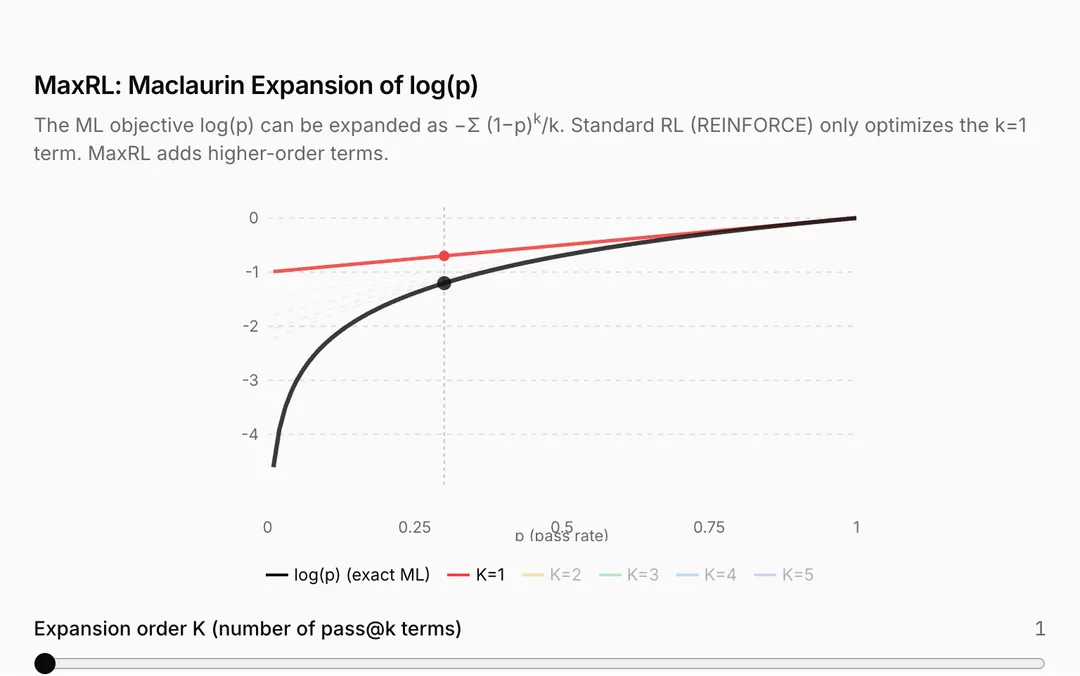
Tajwar et al.
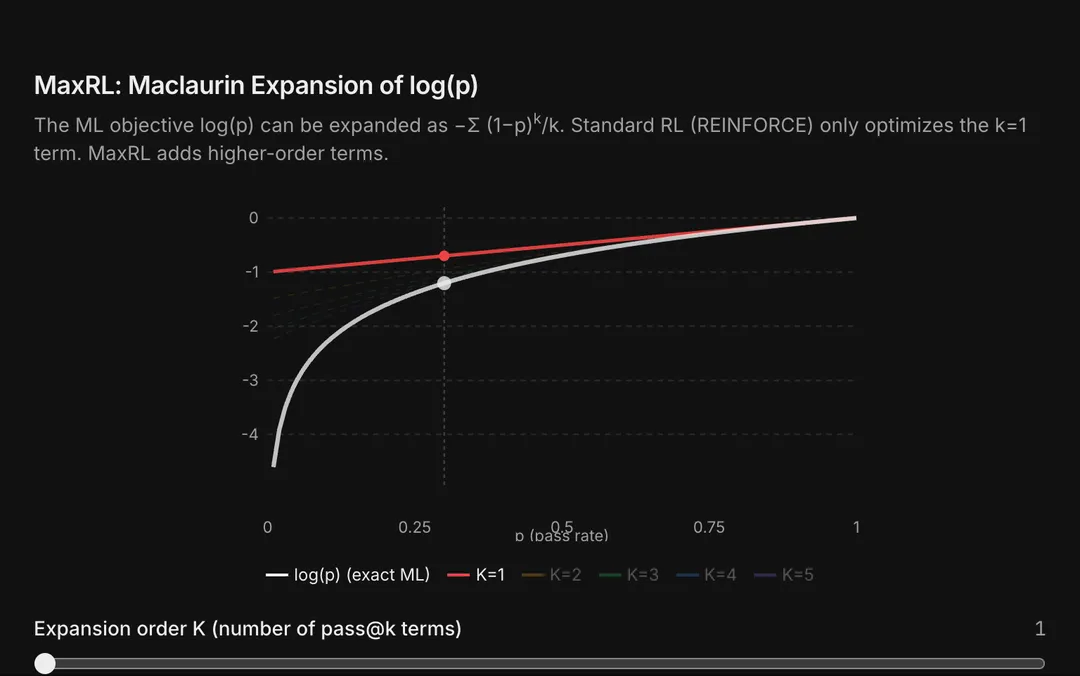
A recent idea for training models on pass-fail tasks when sampling matters
Paper2025
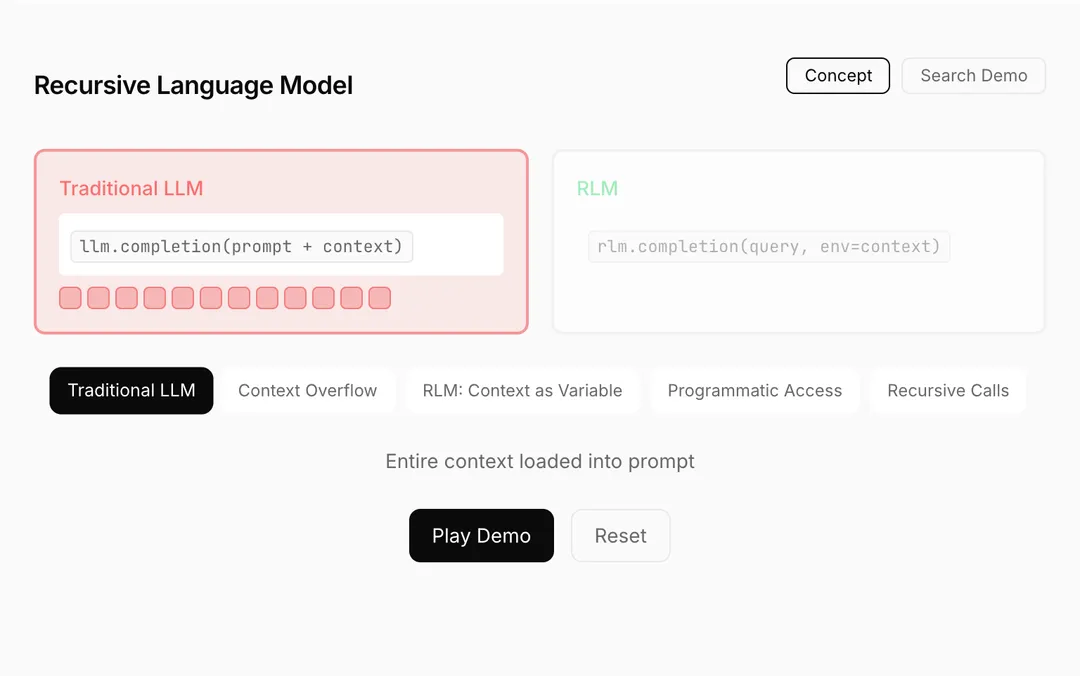
Zhang, Kraska & Khattab
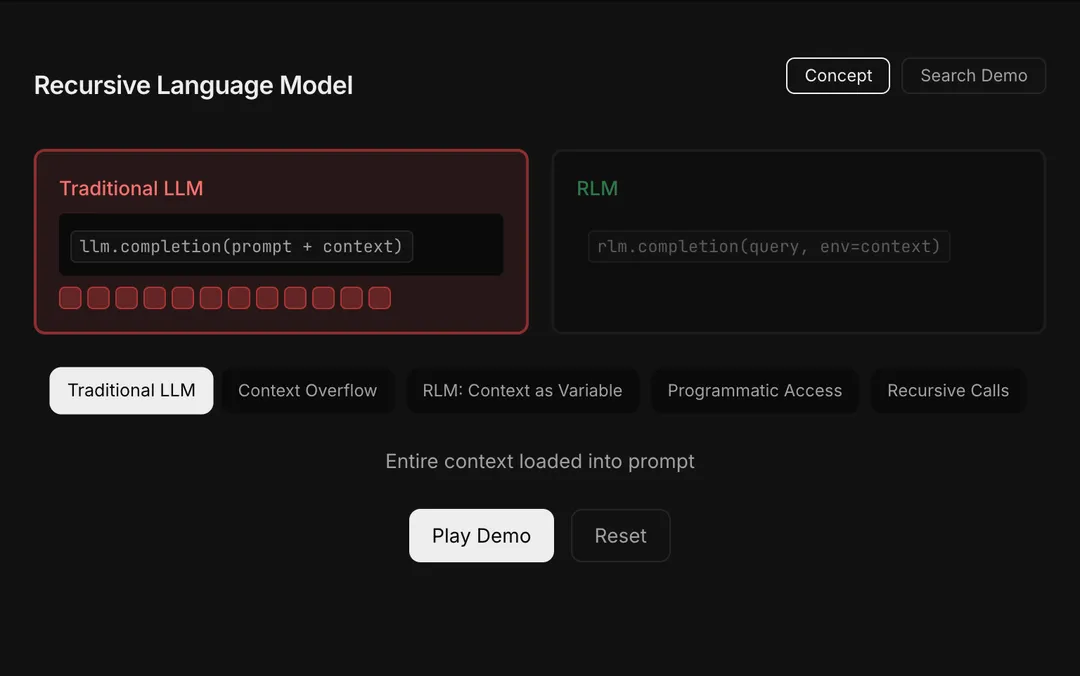
A paradigm where LLMs treat context as an environment and recursively call themselves on sub-problems
Paper2023
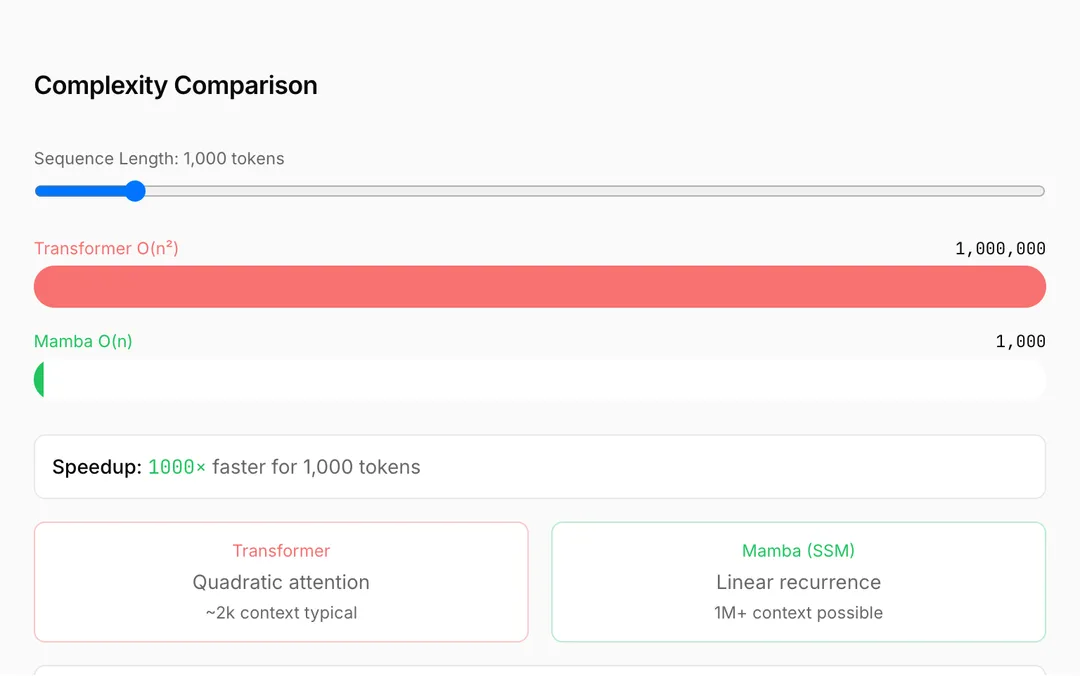
Gu & Dao
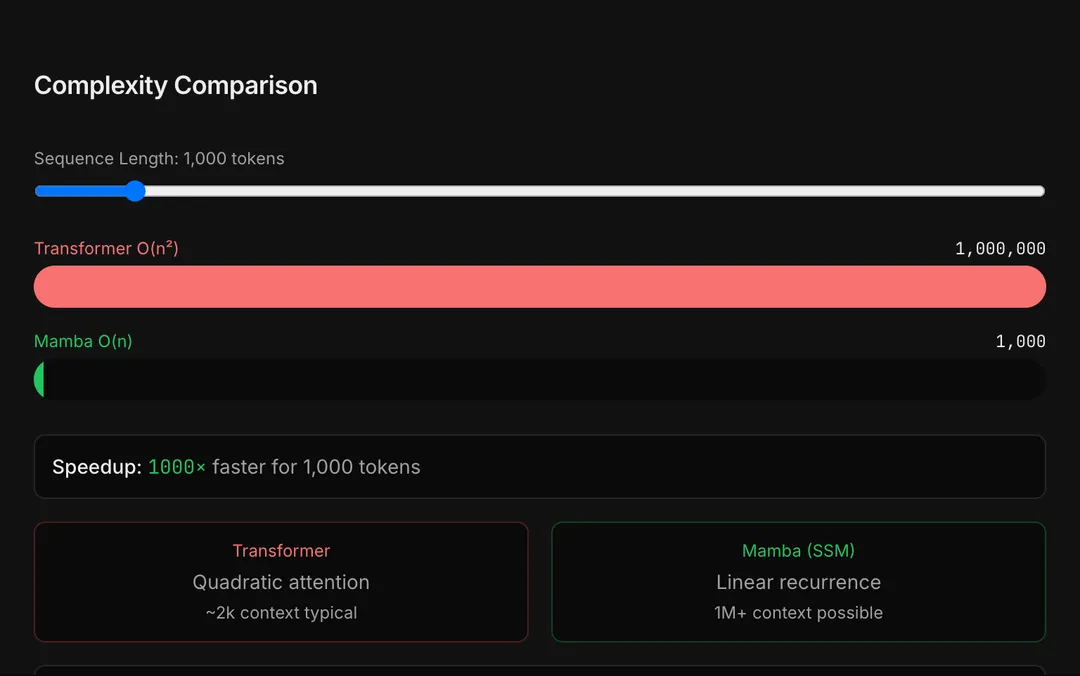
A sequence model that keeps a running state instead of attending to every token pair
Concept2022
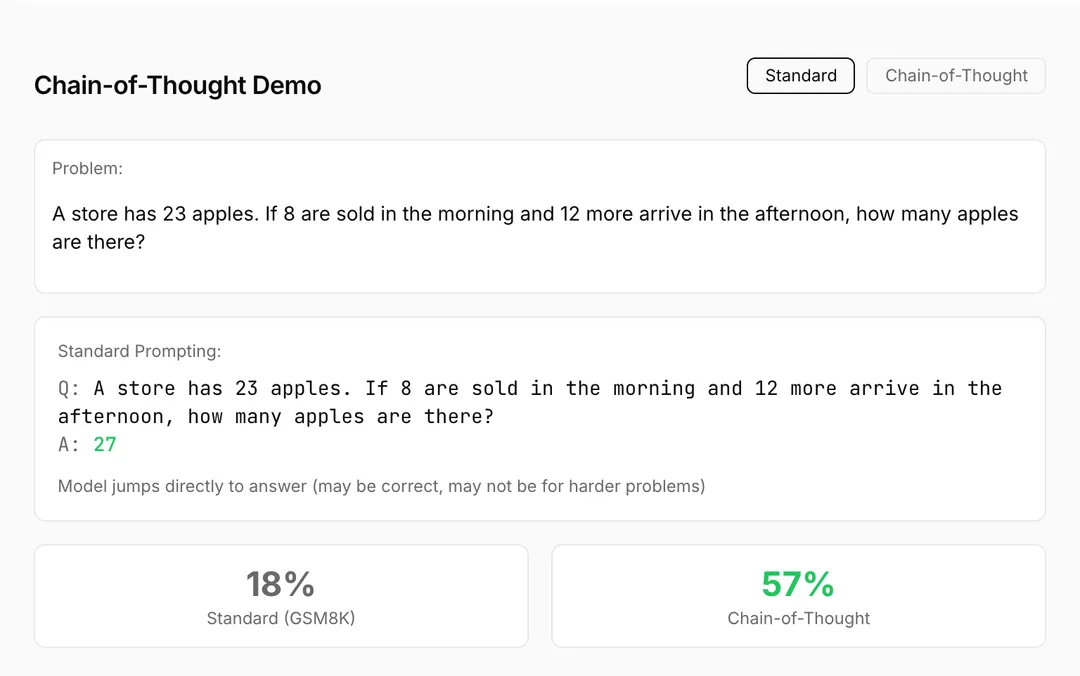
Wei et al.
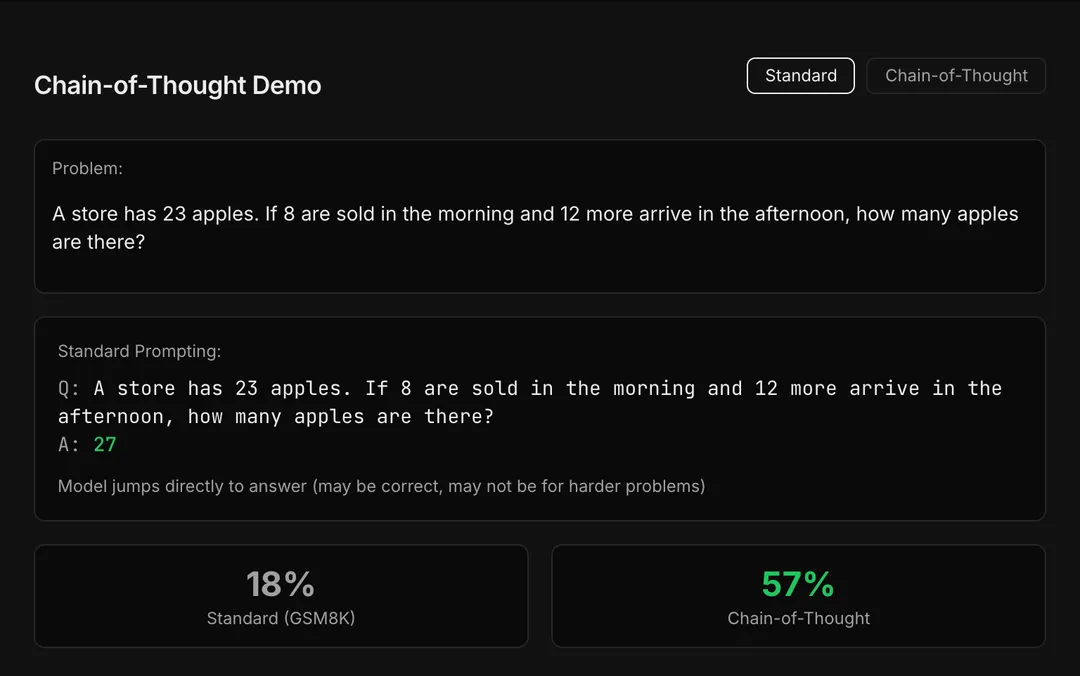
Eliciting step-by-step reasoning in language models for complex problem solving
Paper2021
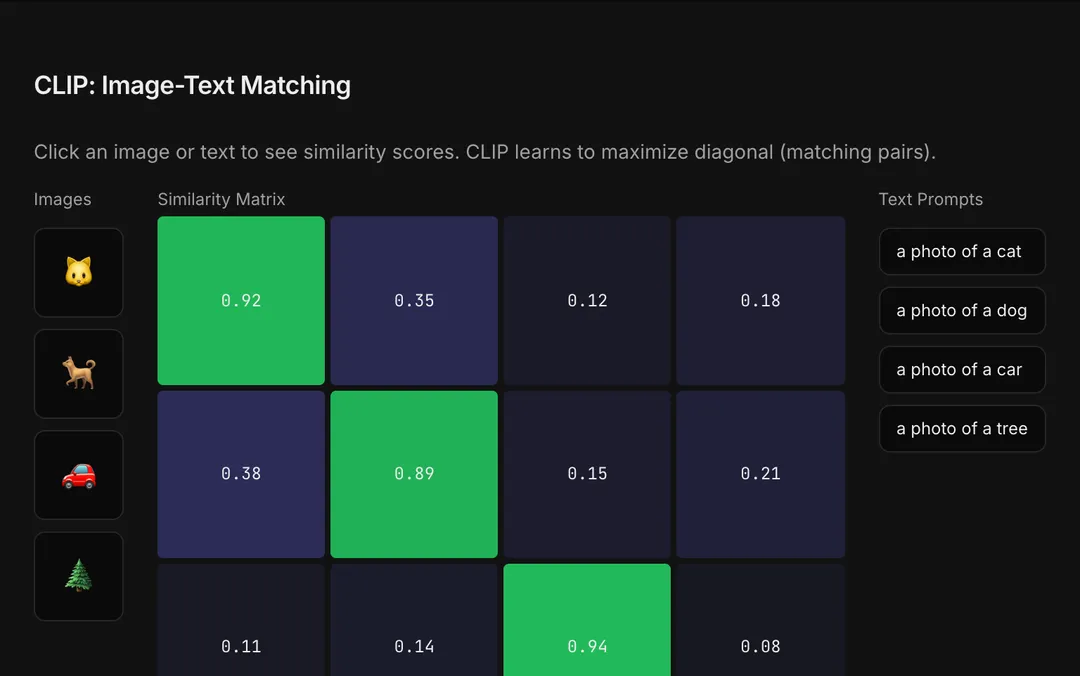
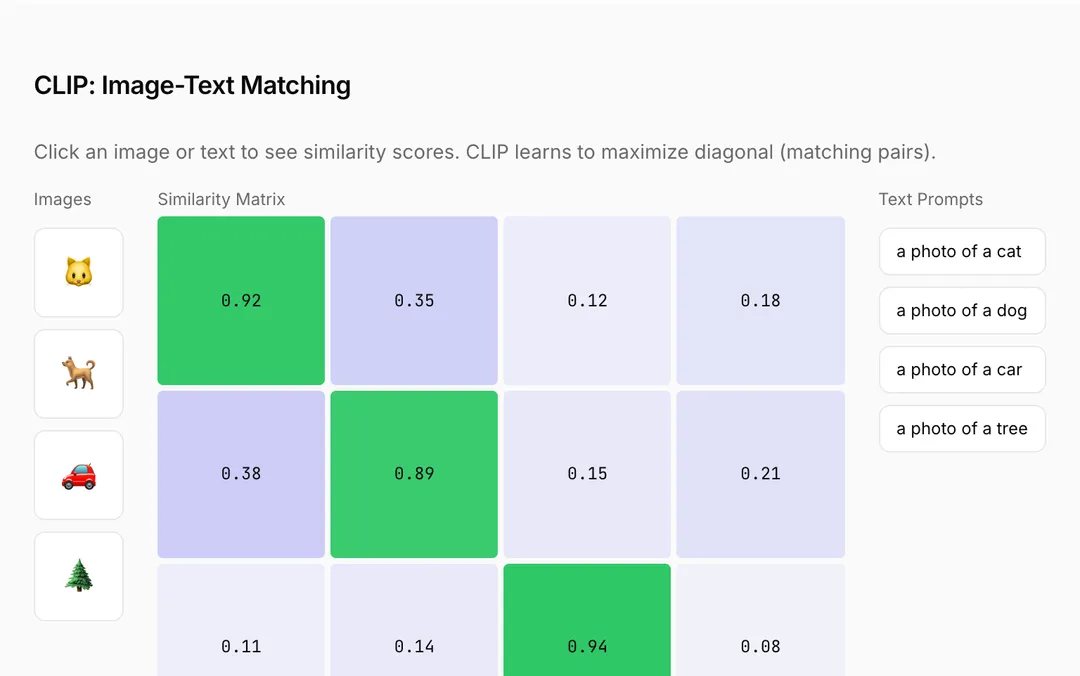
Radford et al.
Learning visual concepts from natural language supervision
Paper2021
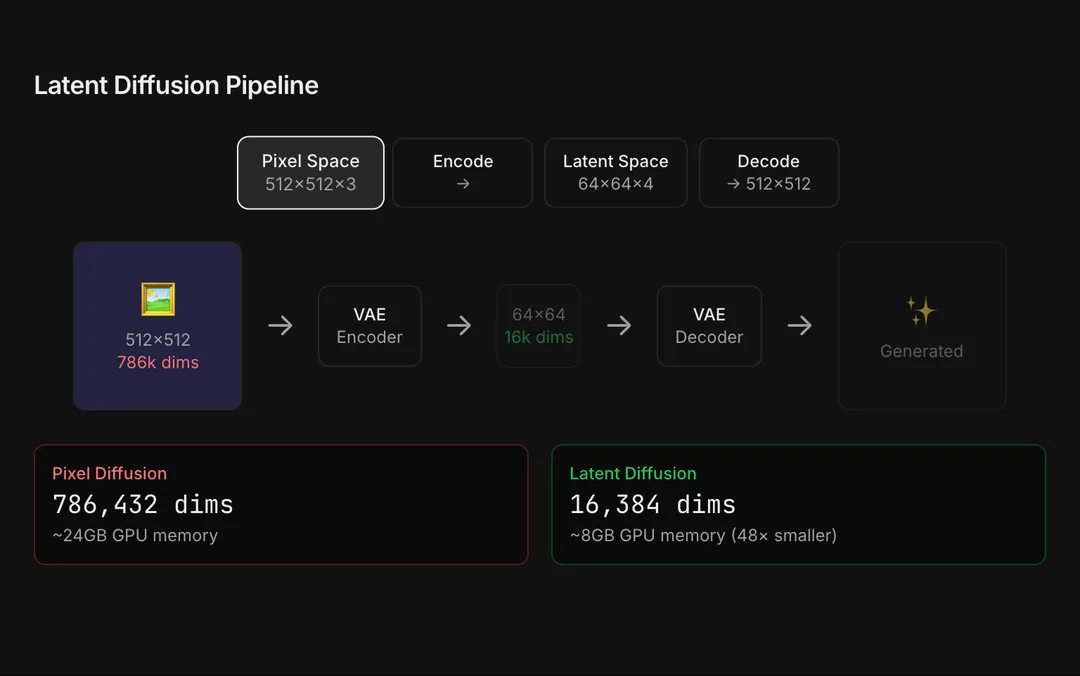
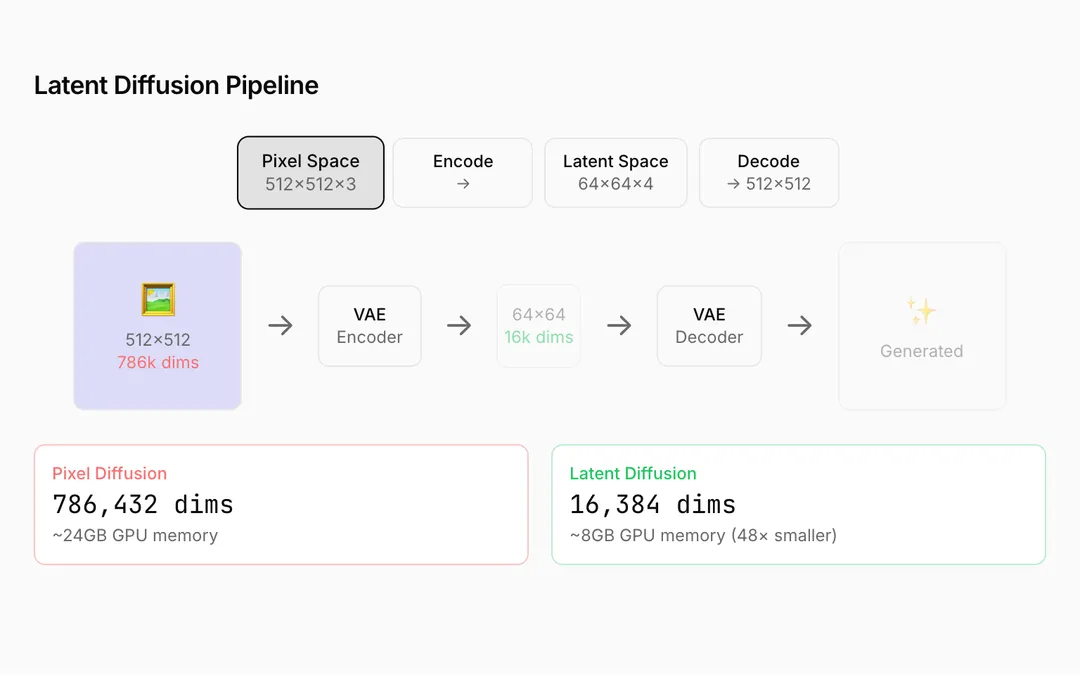
Rombach et al.
High-resolution image generation by diffusing in learned latent spaces
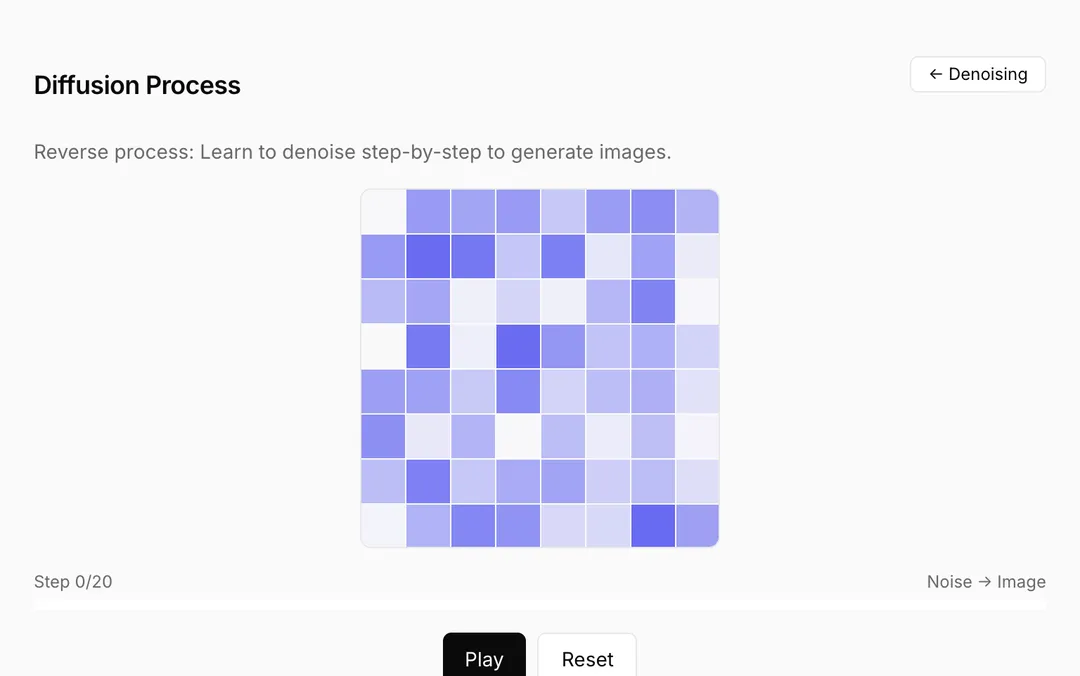
Concept2020
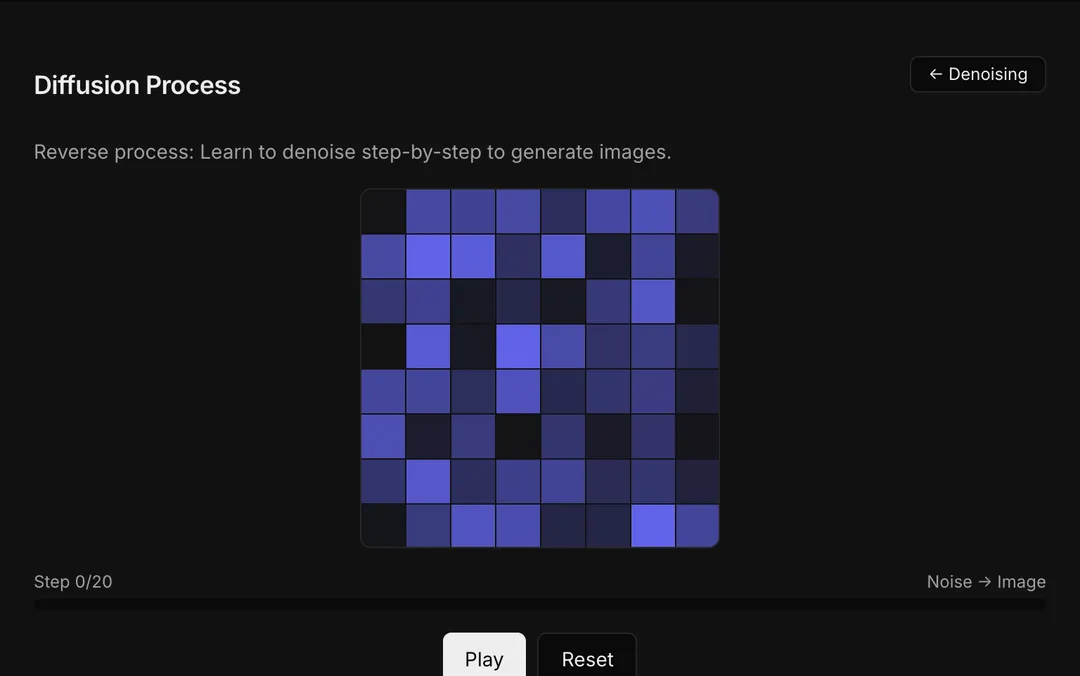
Ho, Jain & Abbeel
Generative models that learn to denoise, enabling high-quality image and video synthesis
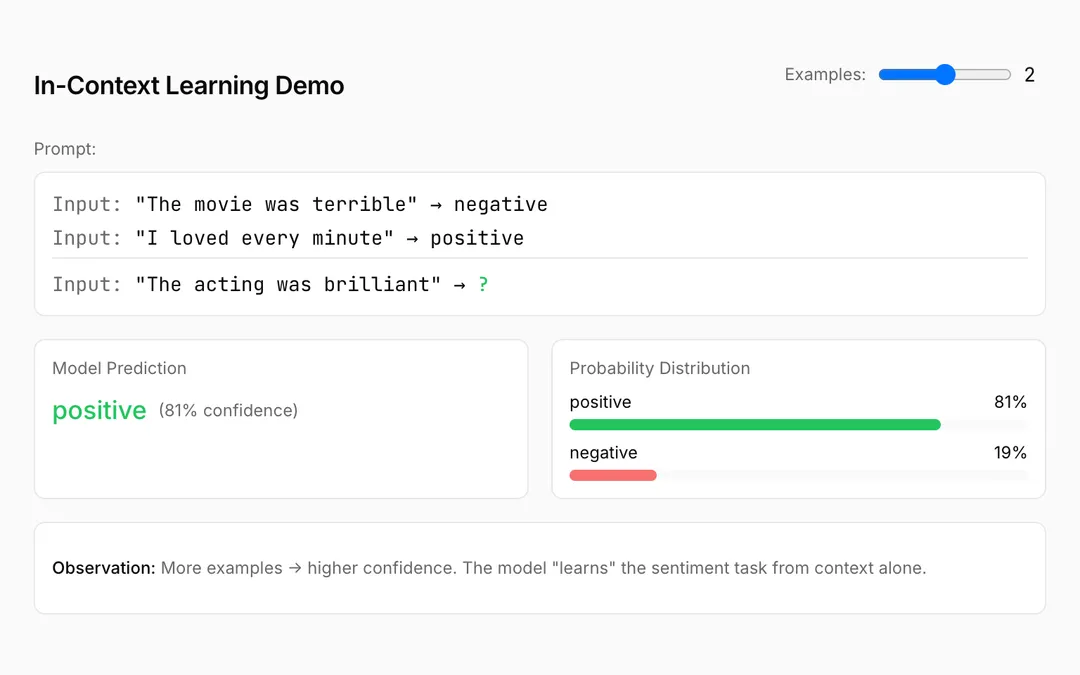
Concept2020
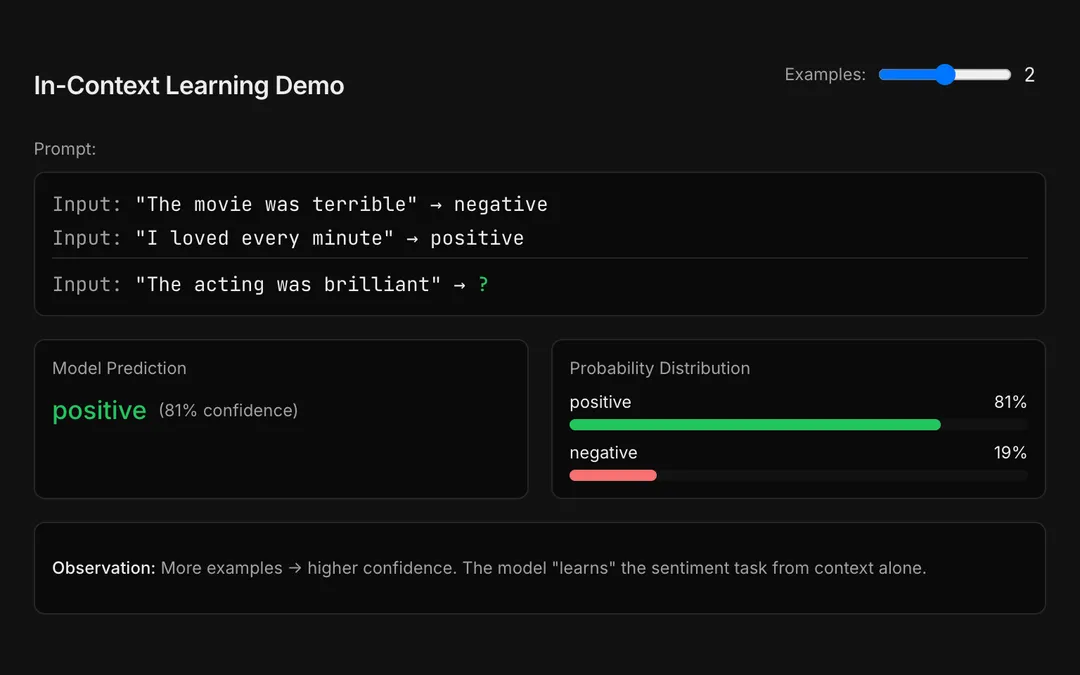
Brown et al.
How large language models learn from examples in the prompt without weight updates
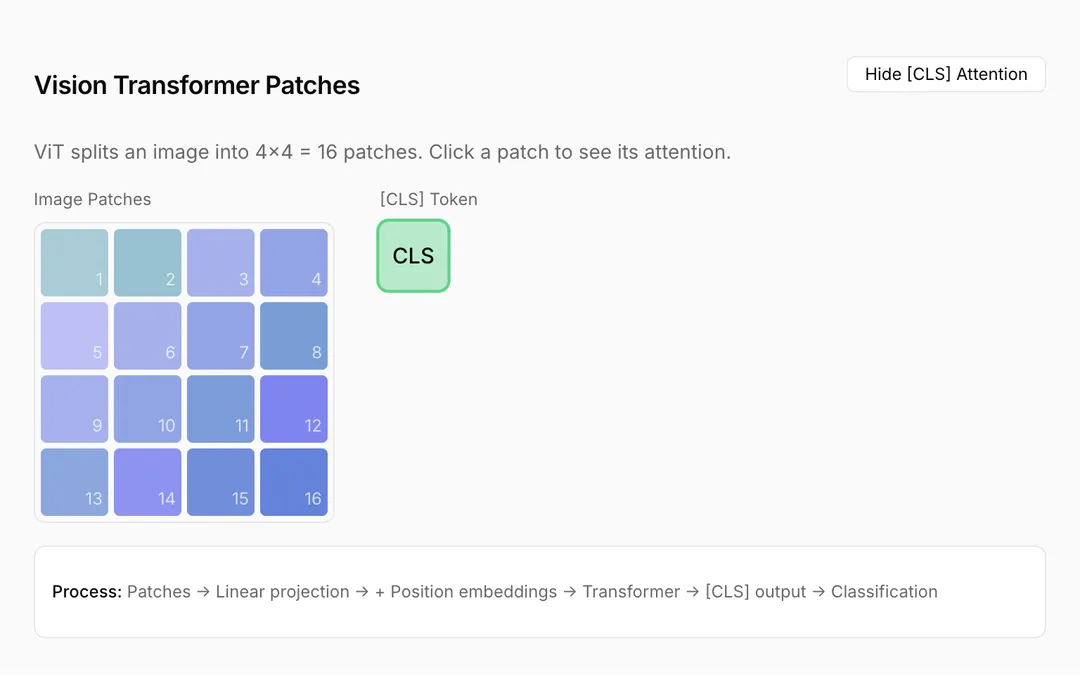
Paper2020
Dosovitskiy et al.
Applying Transformers directly to image patches for visual recognition
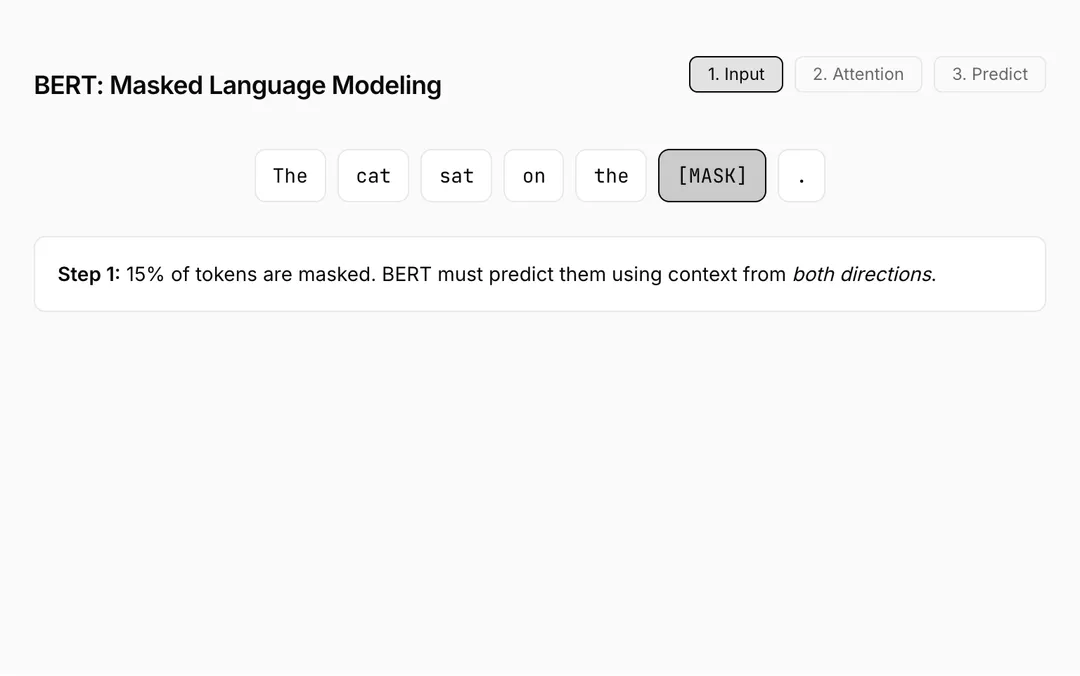
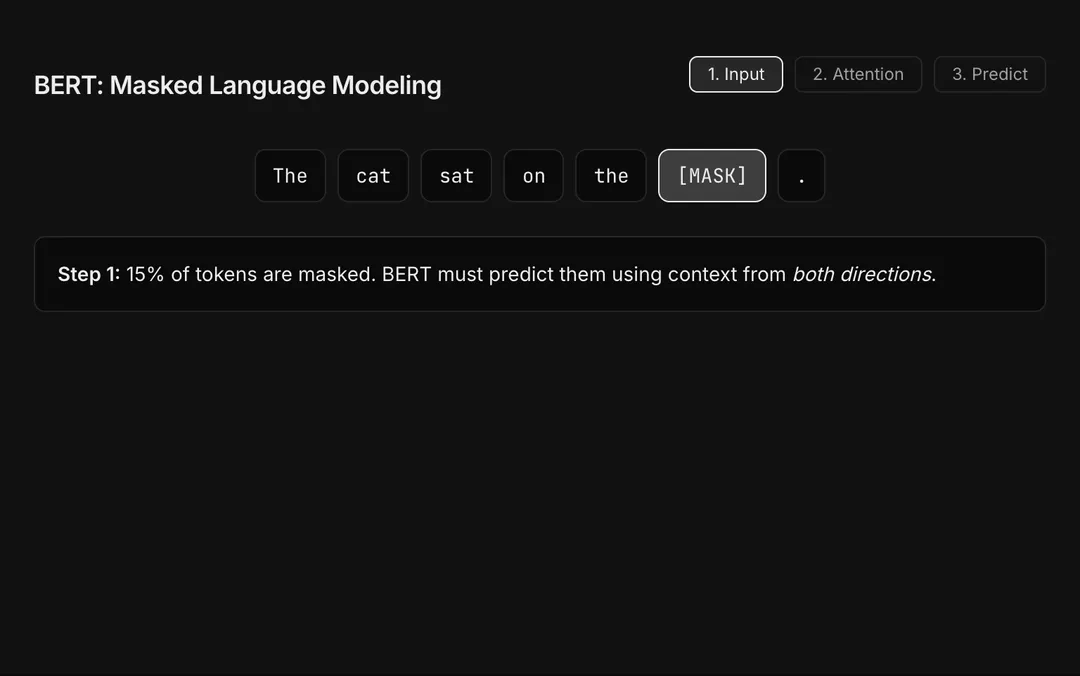
Paper2018
Devlin et al.
Pre-training deep bidirectional representations for NLP
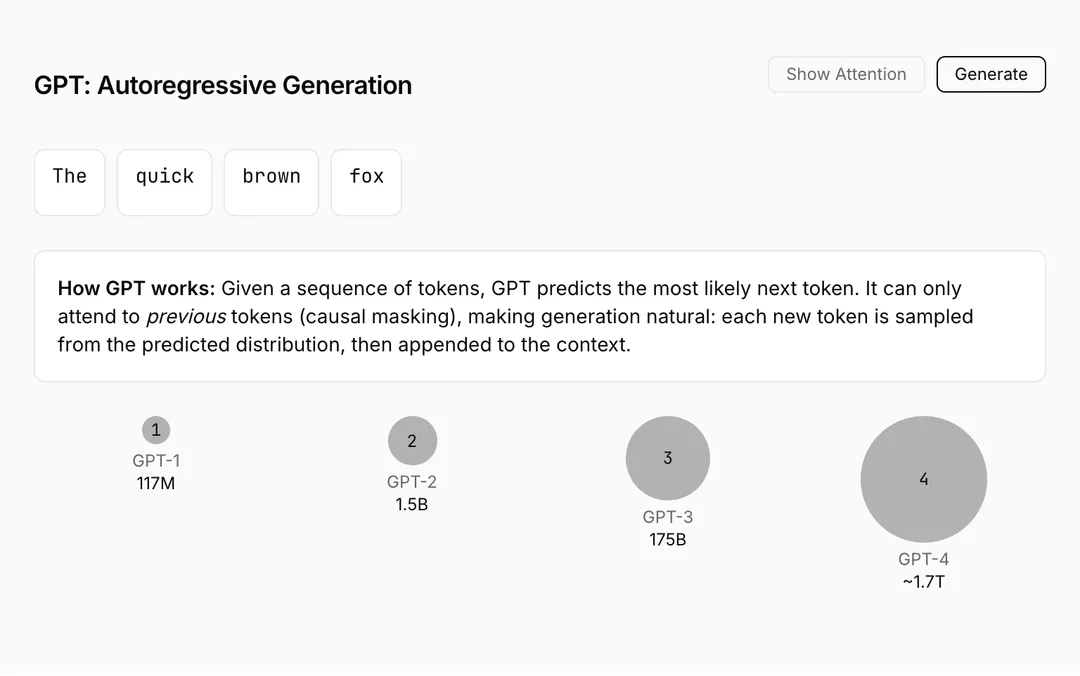
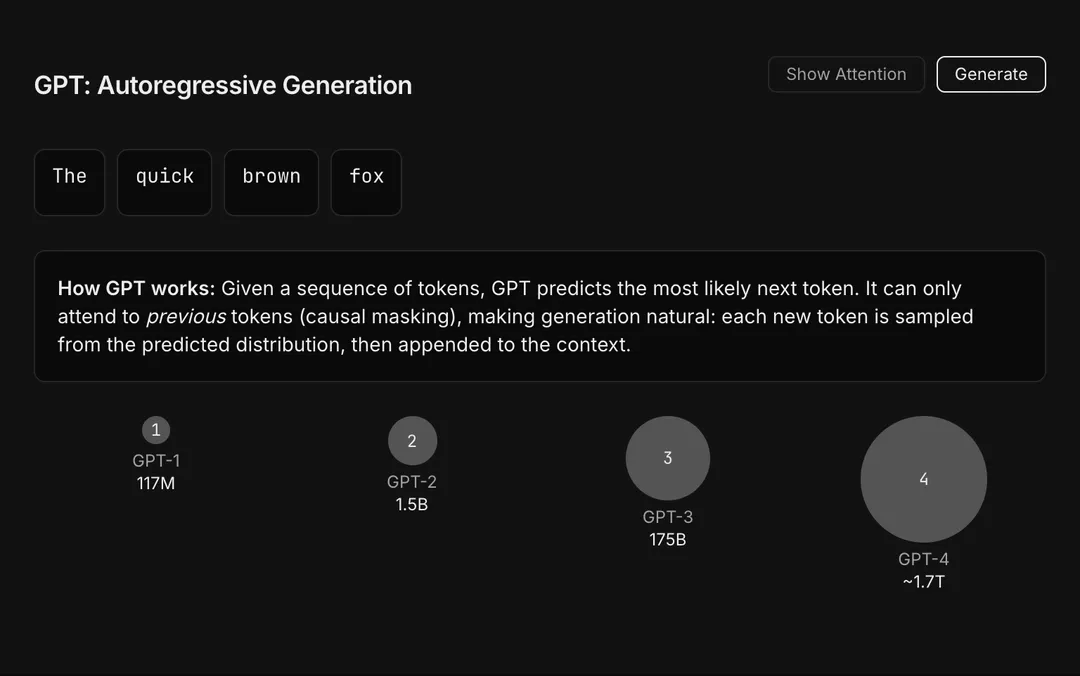
Paper2018
Radford et al.
Autoregressive language models that learn to predict the next token
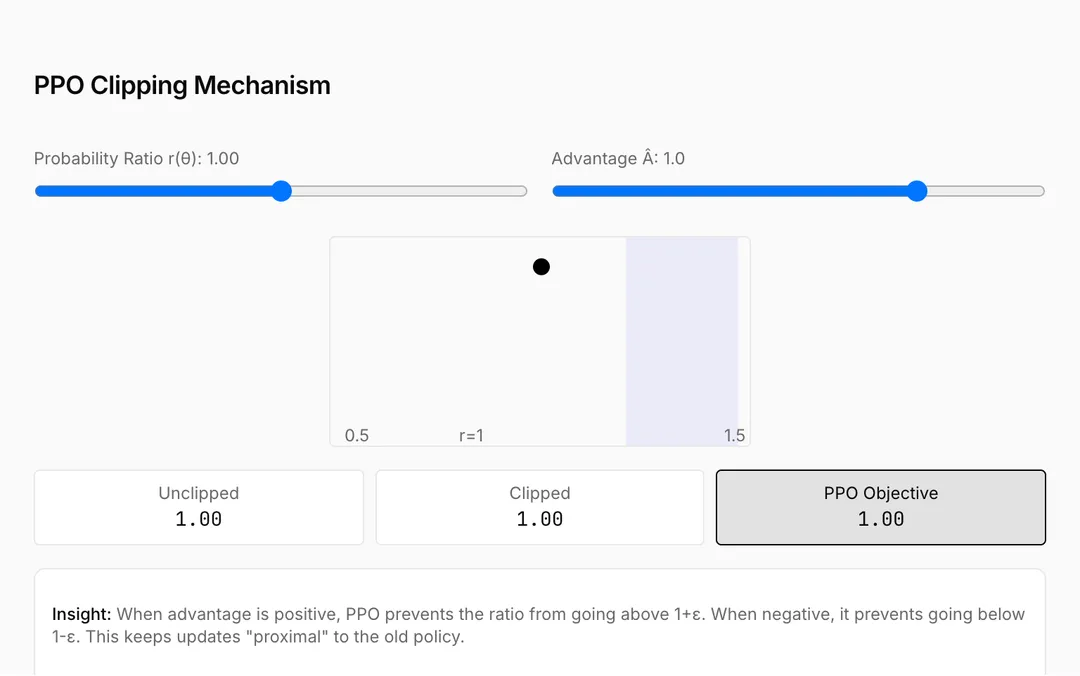
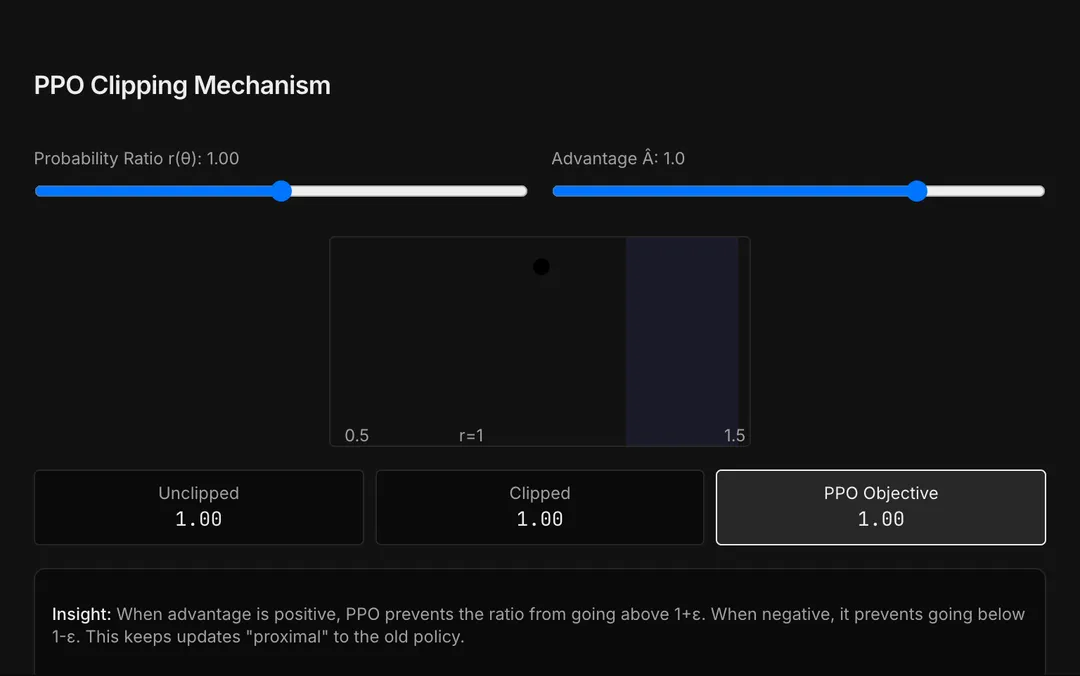
Concept2017
Schulman et al.
A stable, sample-efficient policy gradient algorithm for reinforcement learning
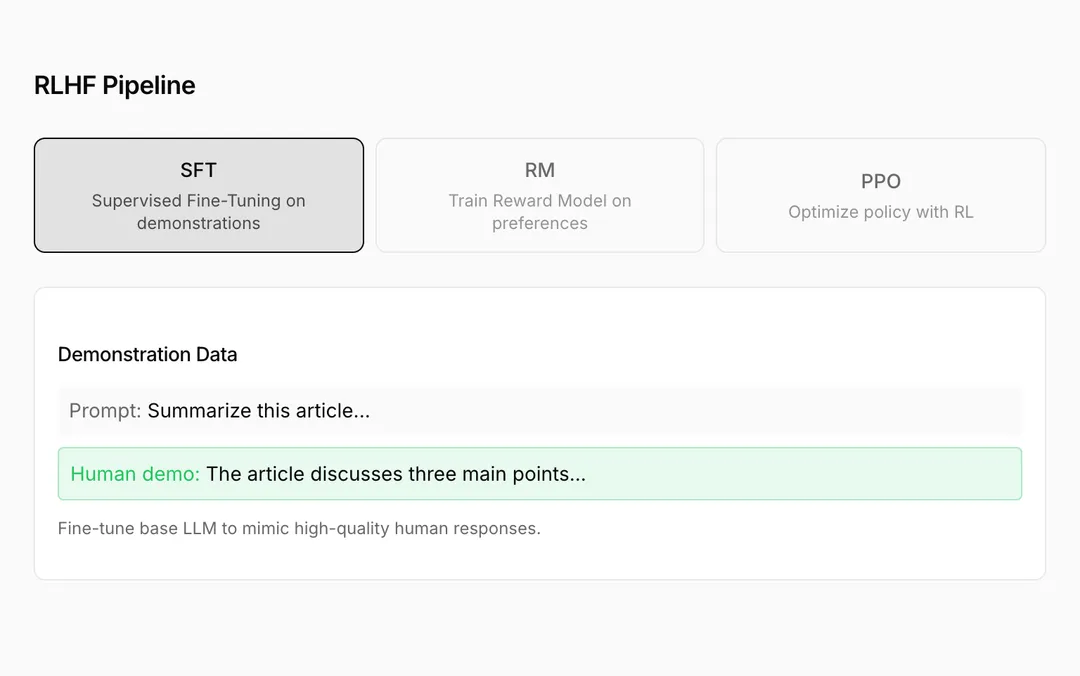
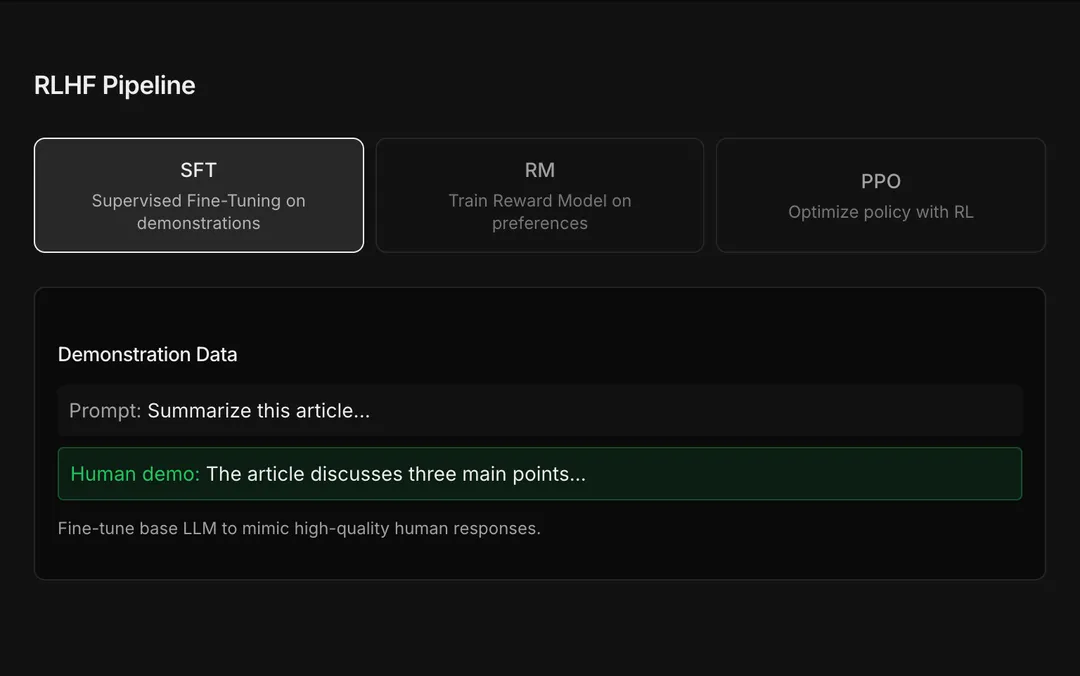
Concept2017
Christiano et al.
Teaching language models to prefer responses that people rank higher
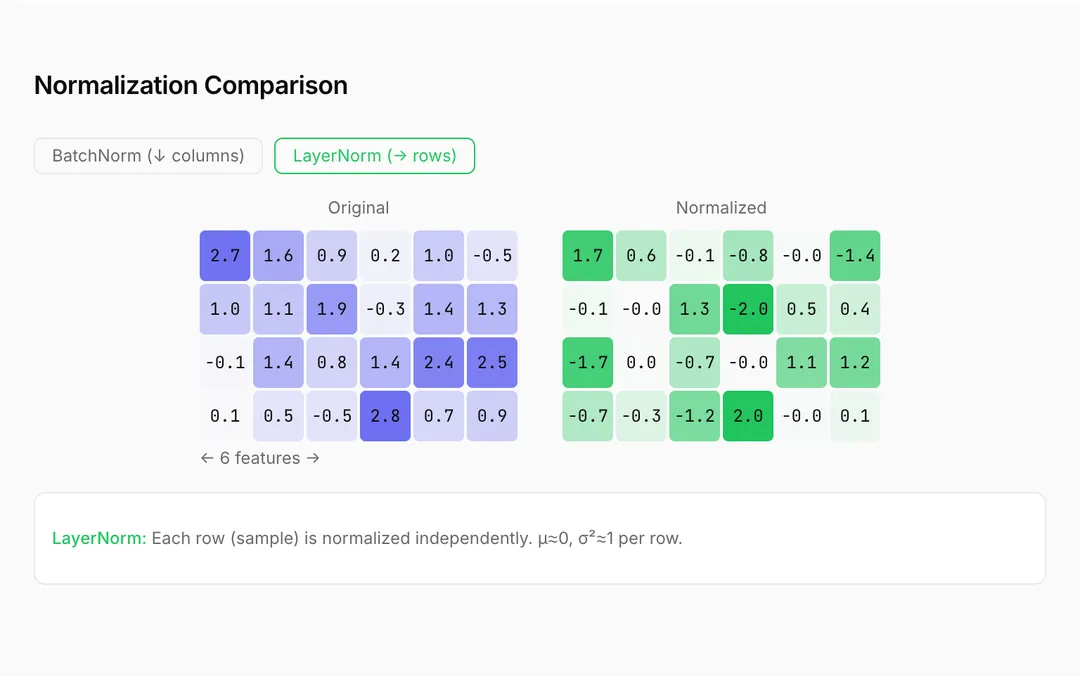
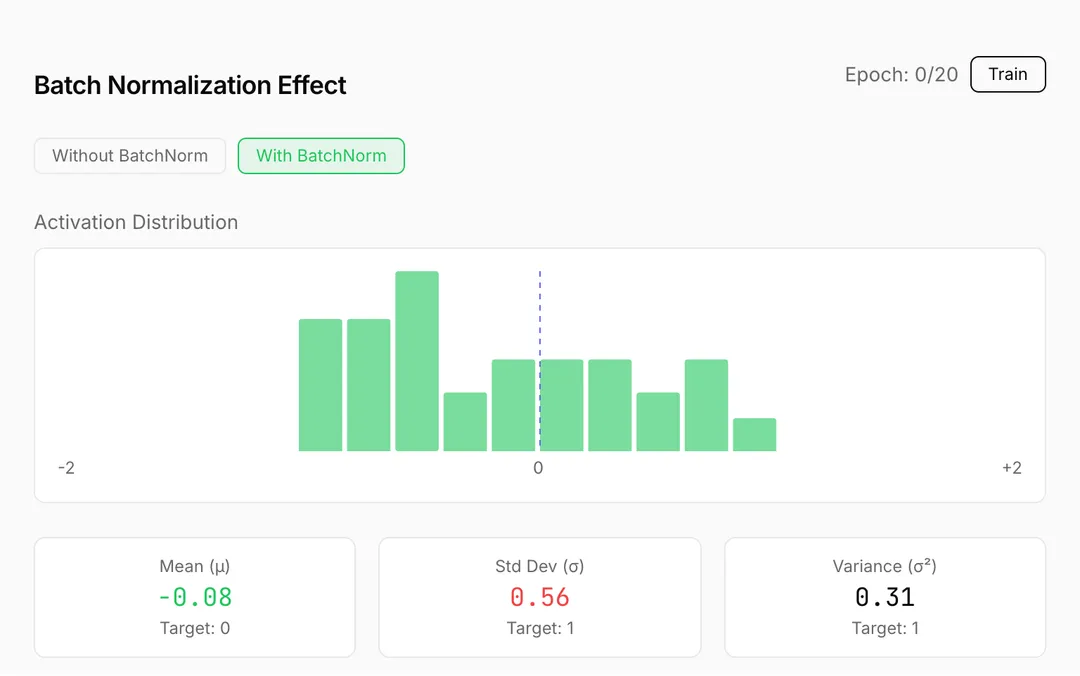
Concept2015
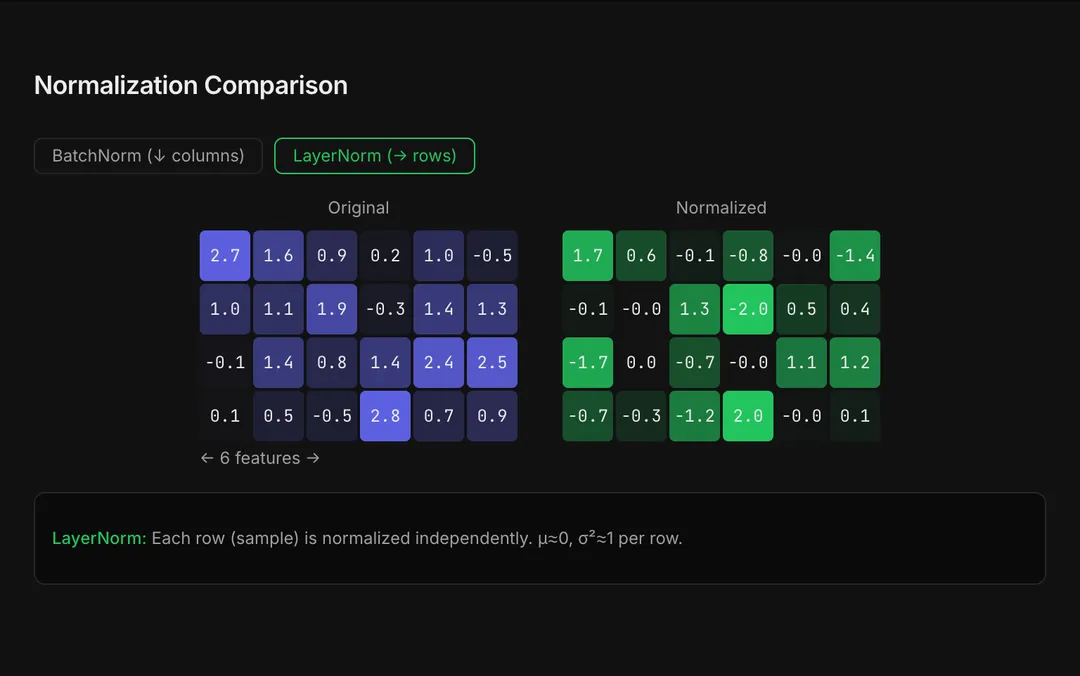
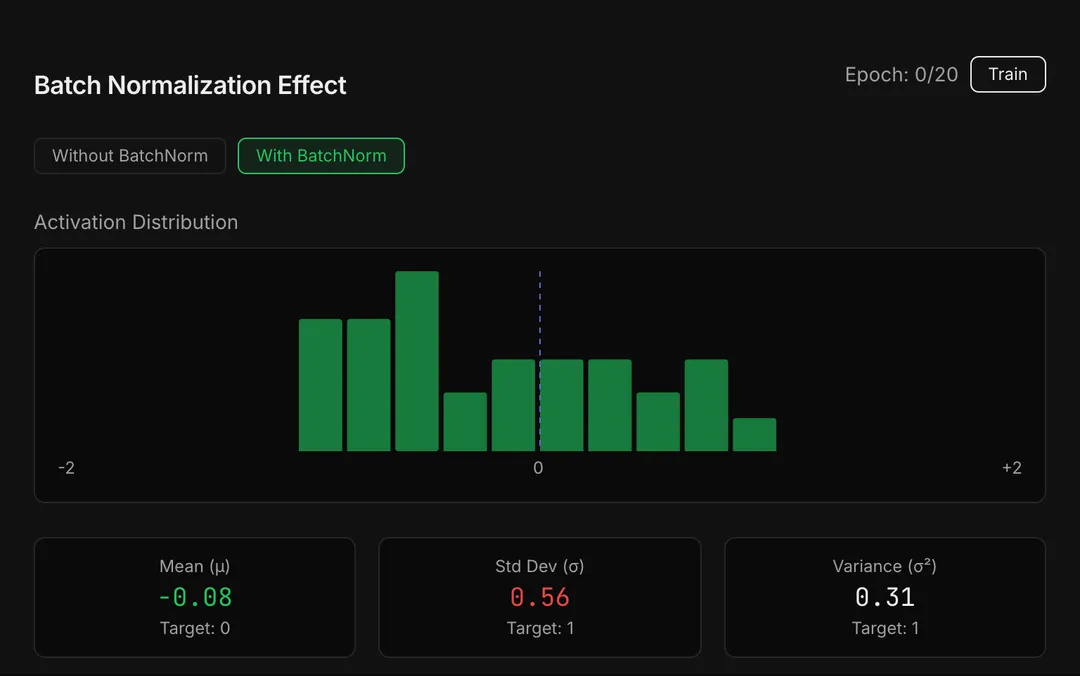
Ioffe & Szegedy
Normalizing layer inputs to accelerate deep network training
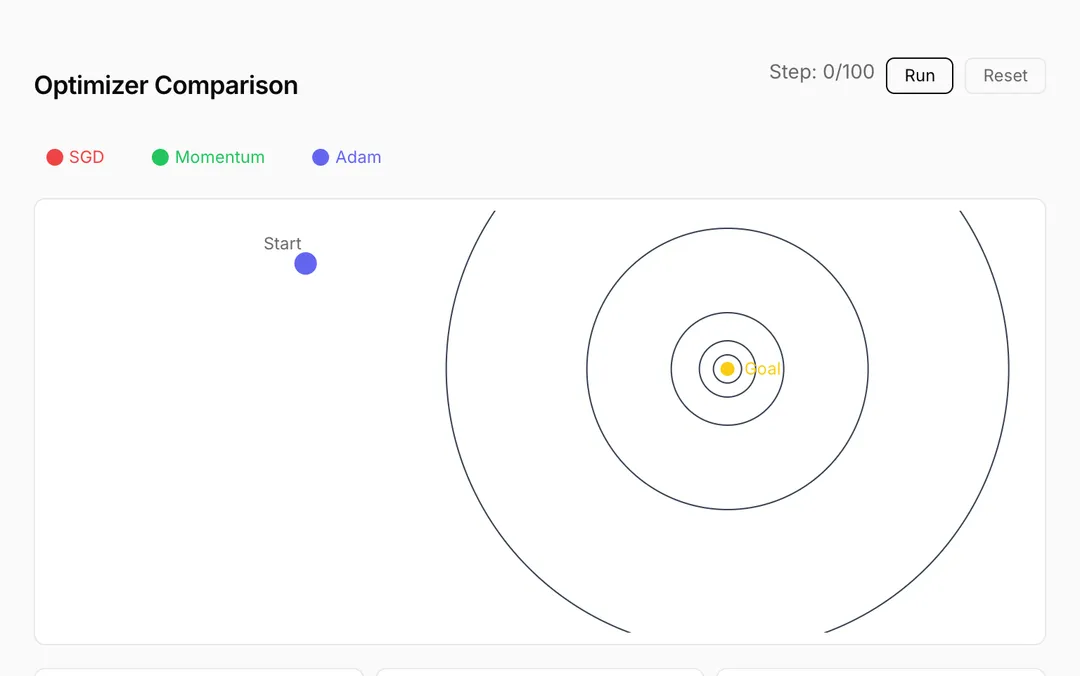
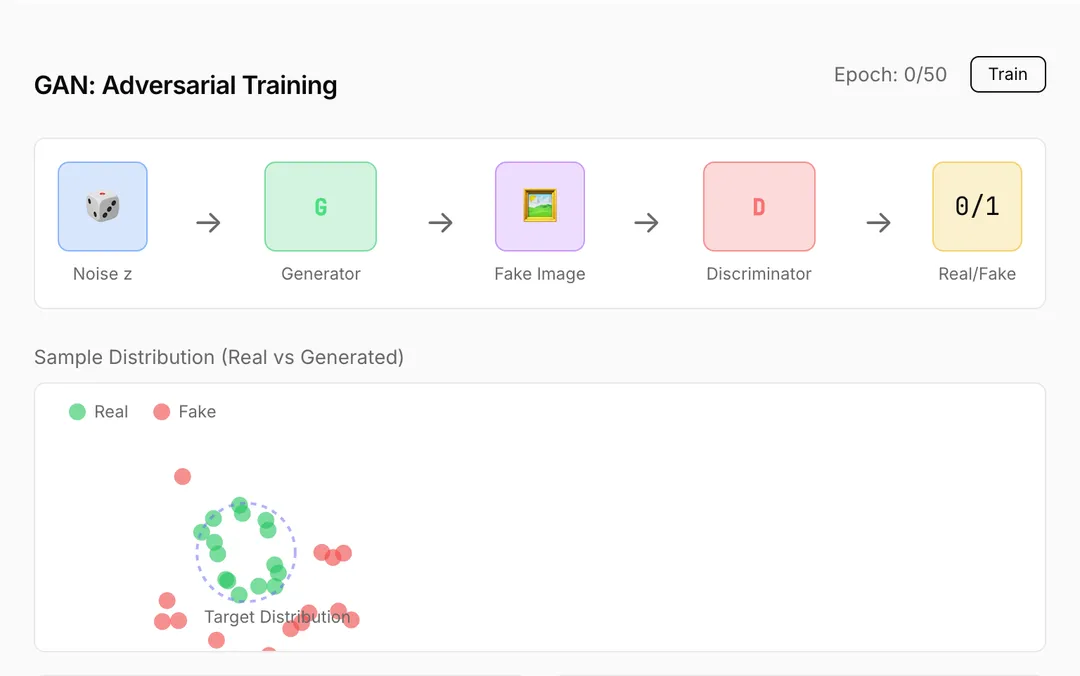
Concept2014
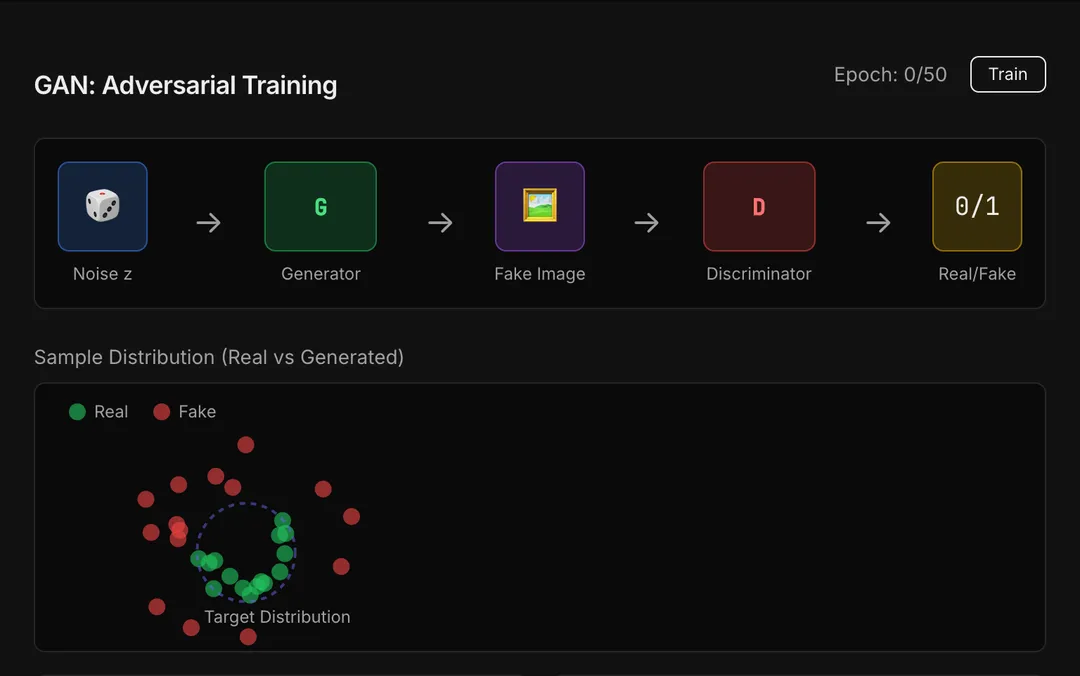
Goodfellow et al.
Two neural networks compete to generate realistic data
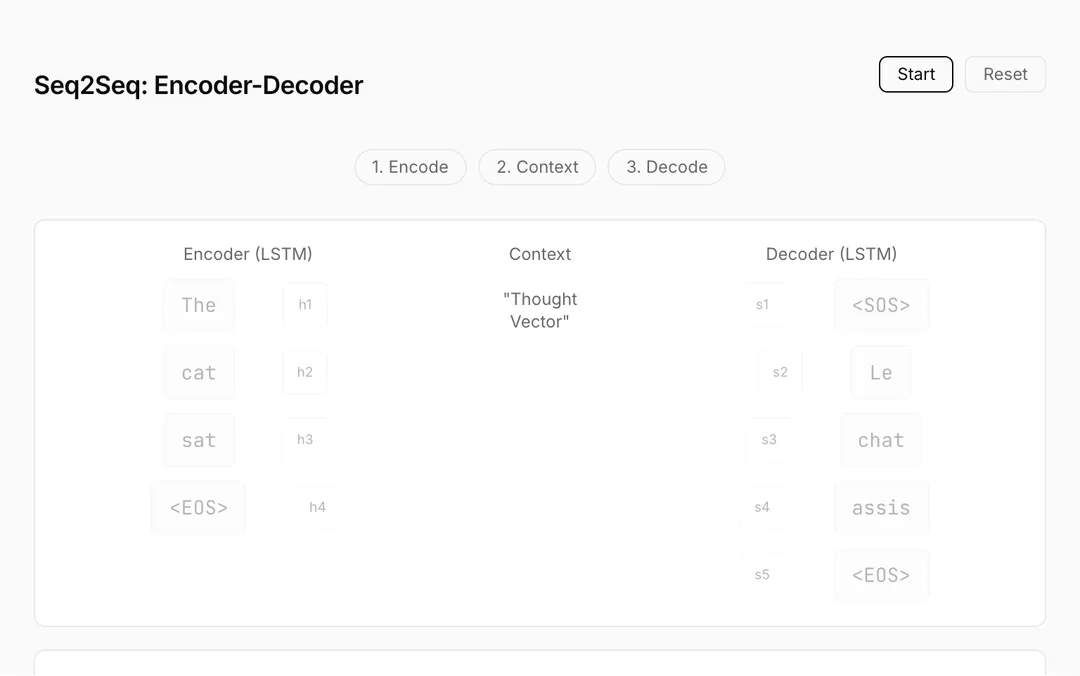
Paper2014
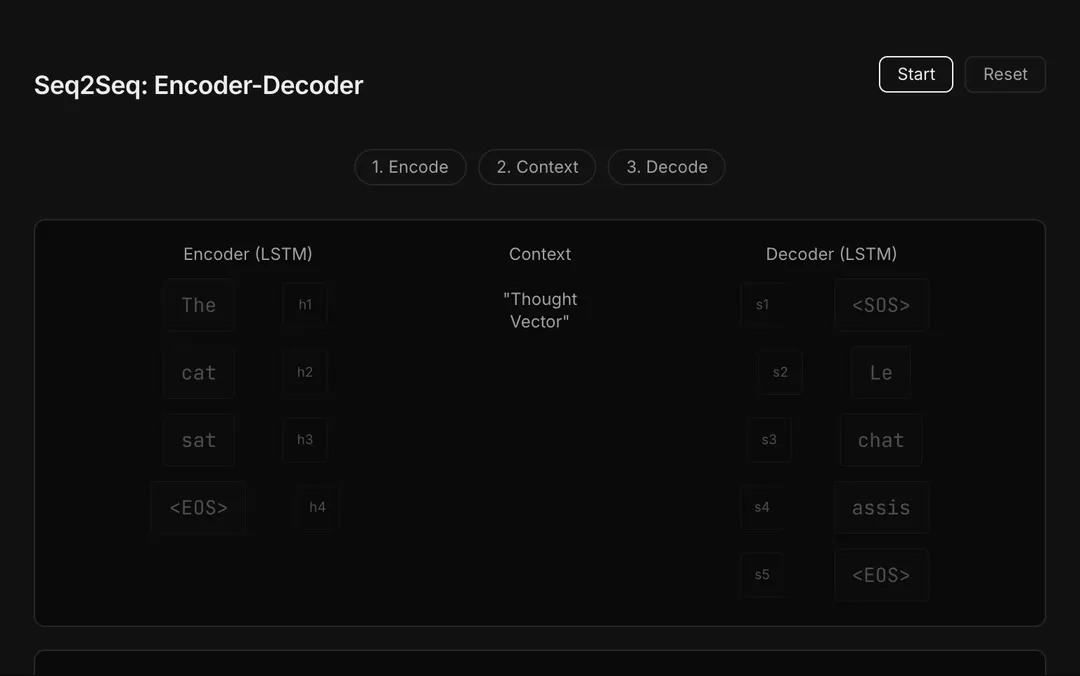
Sutskever, Vinyals & Le
Encoder-decoder architecture for mapping sequences to sequences
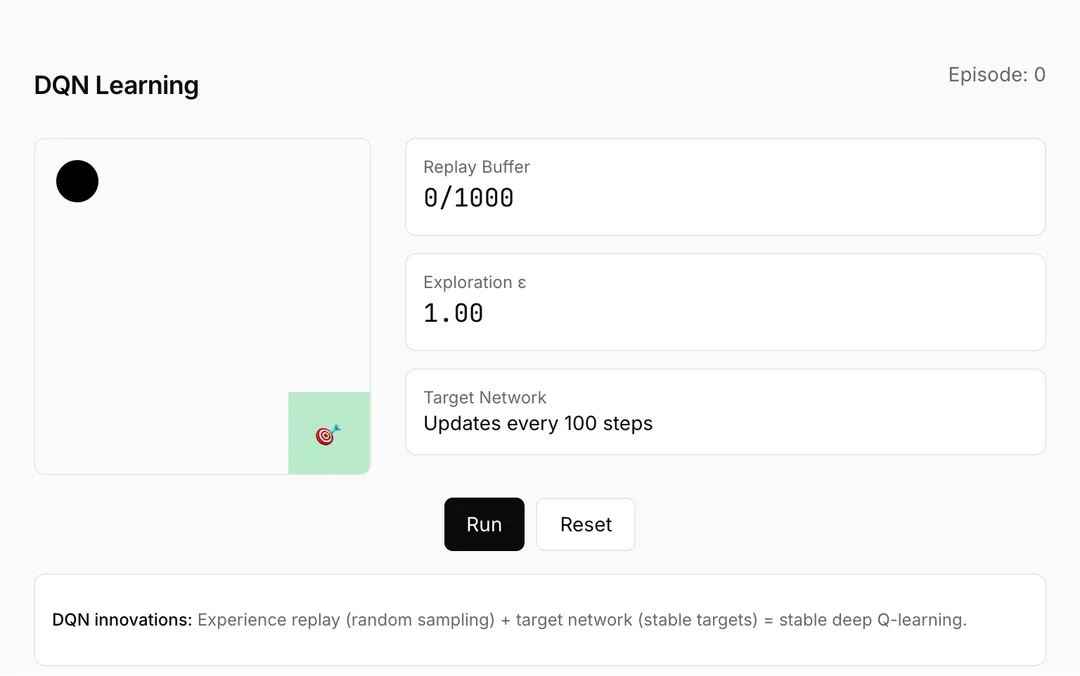
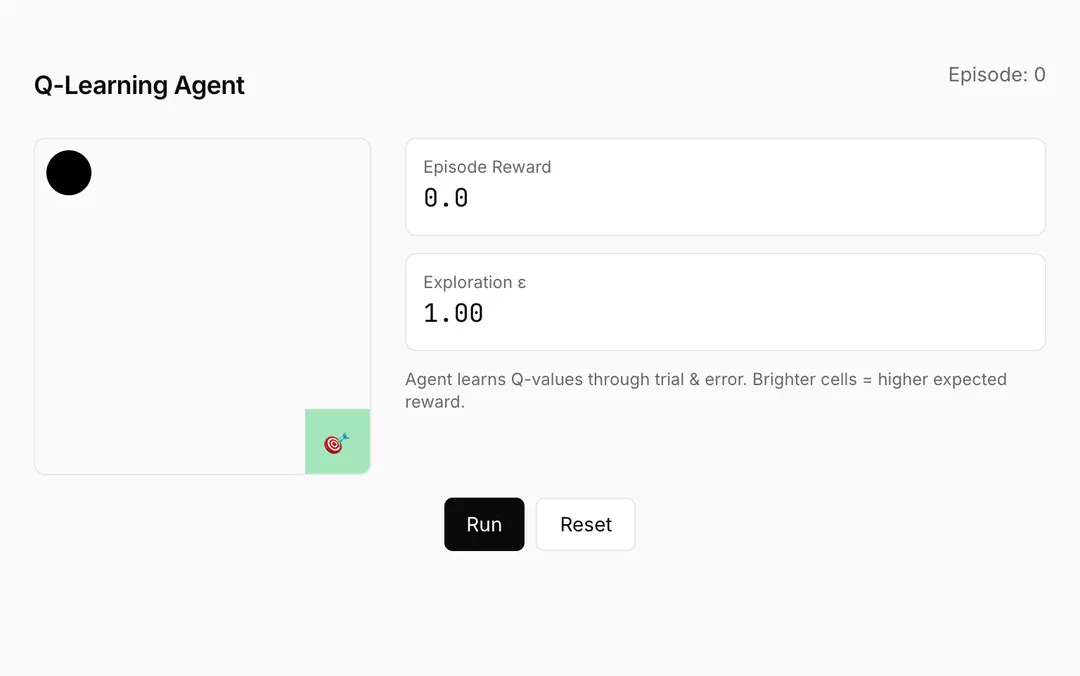
Paper2013
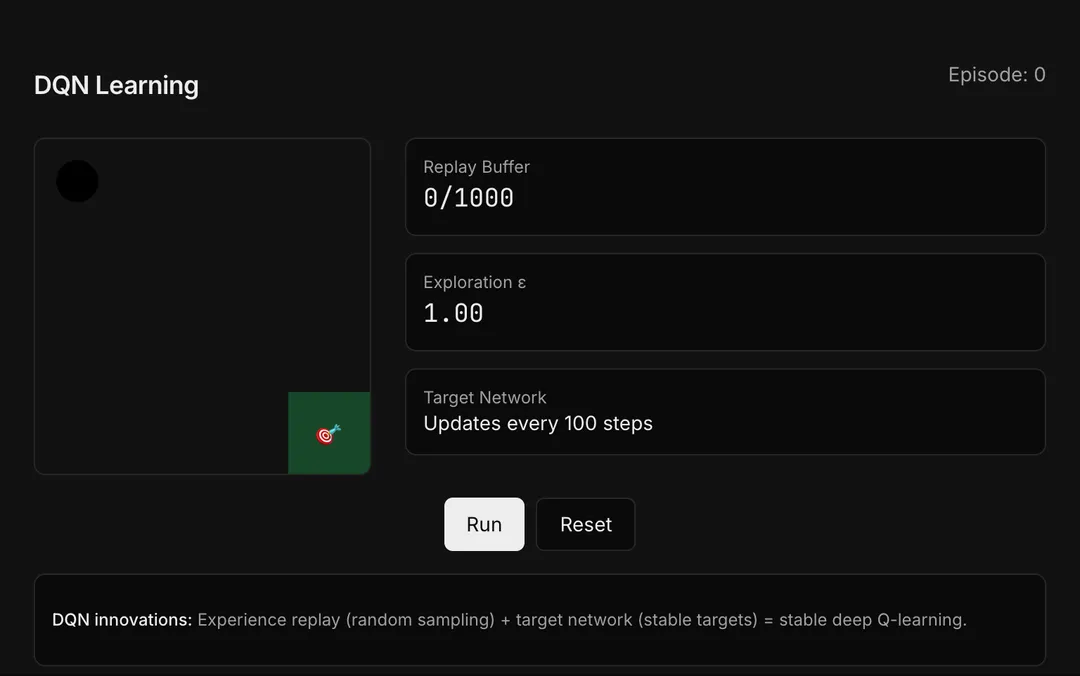
Mnih et al.
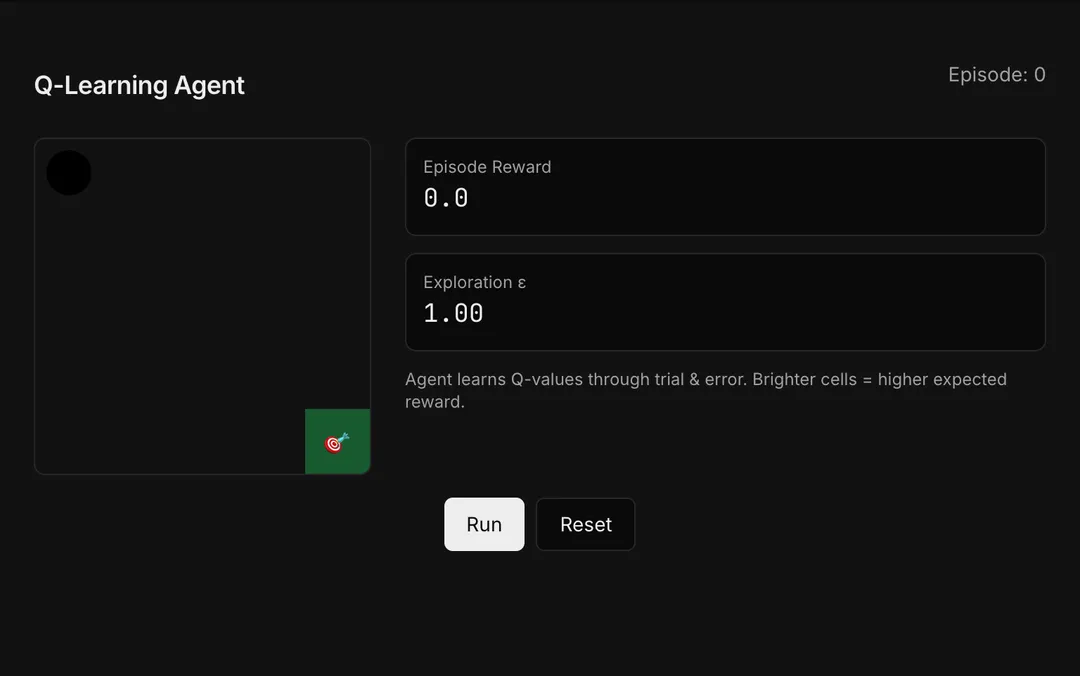
Combining Q-learning with deep neural networks for Atari-level game playing
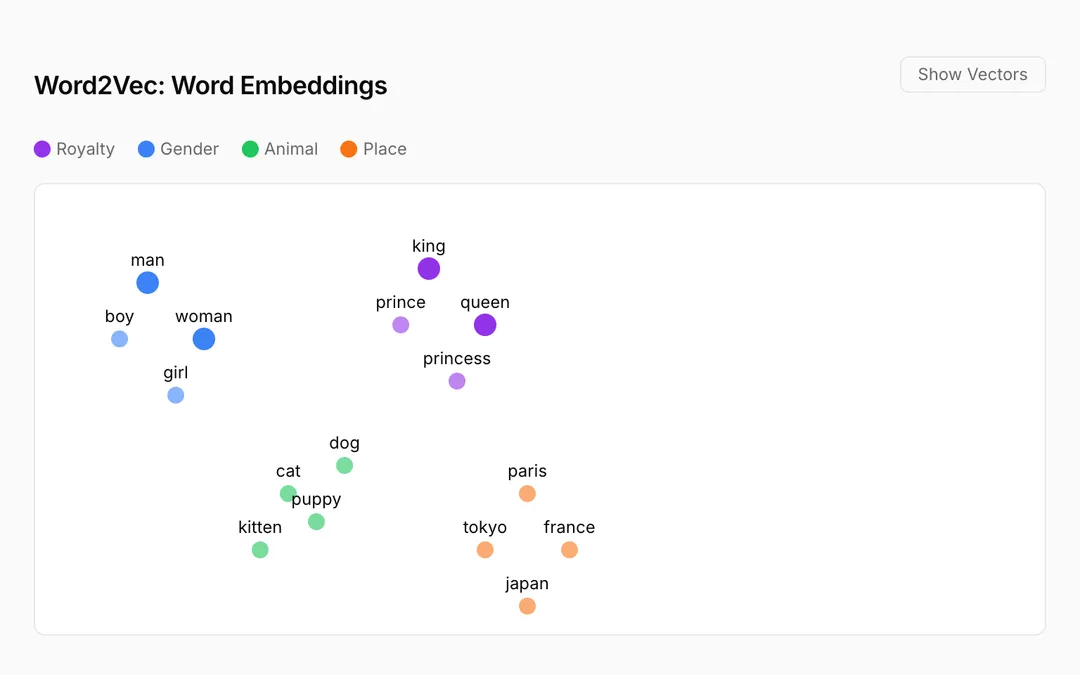
Concept2013
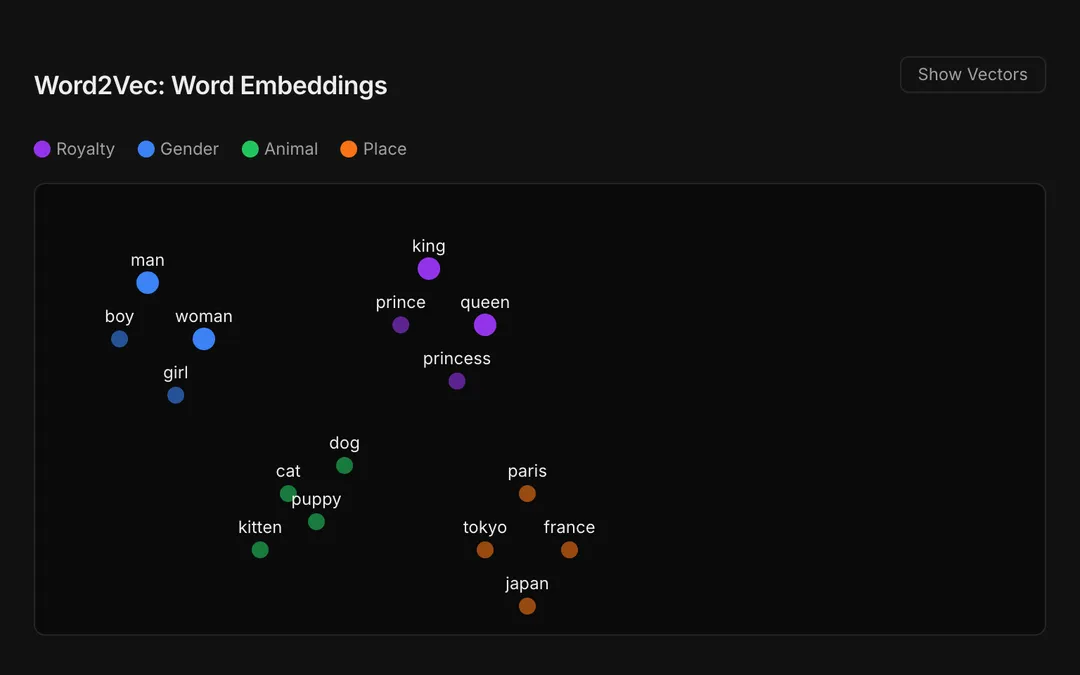
Mikolov et al.
Learning dense vector representations of words from text
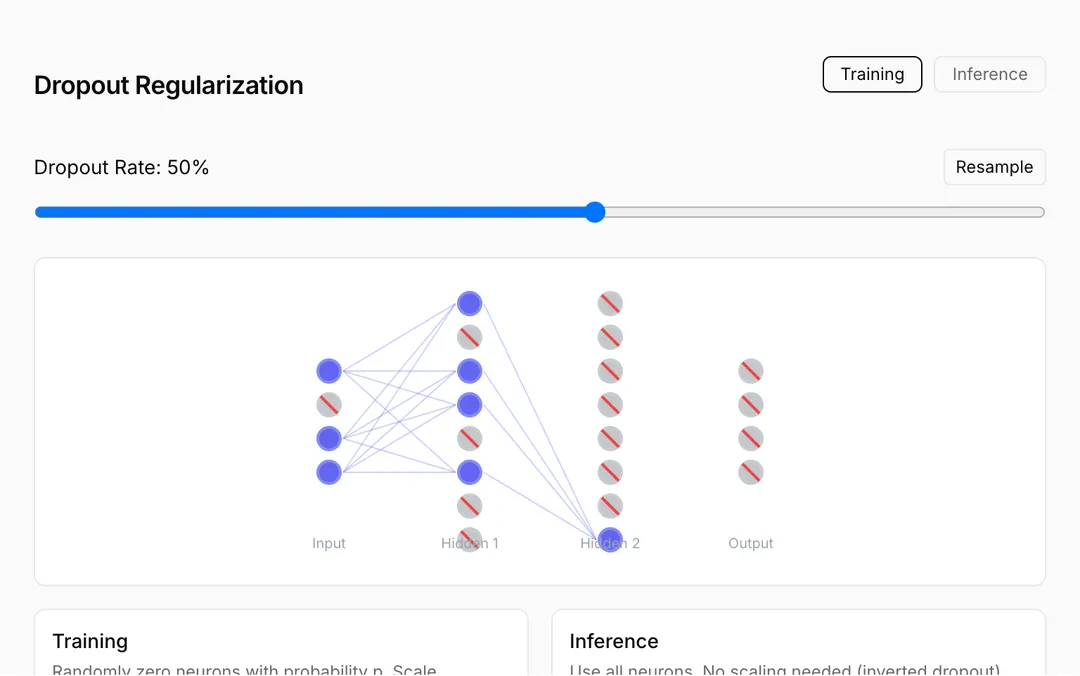
Concept2012
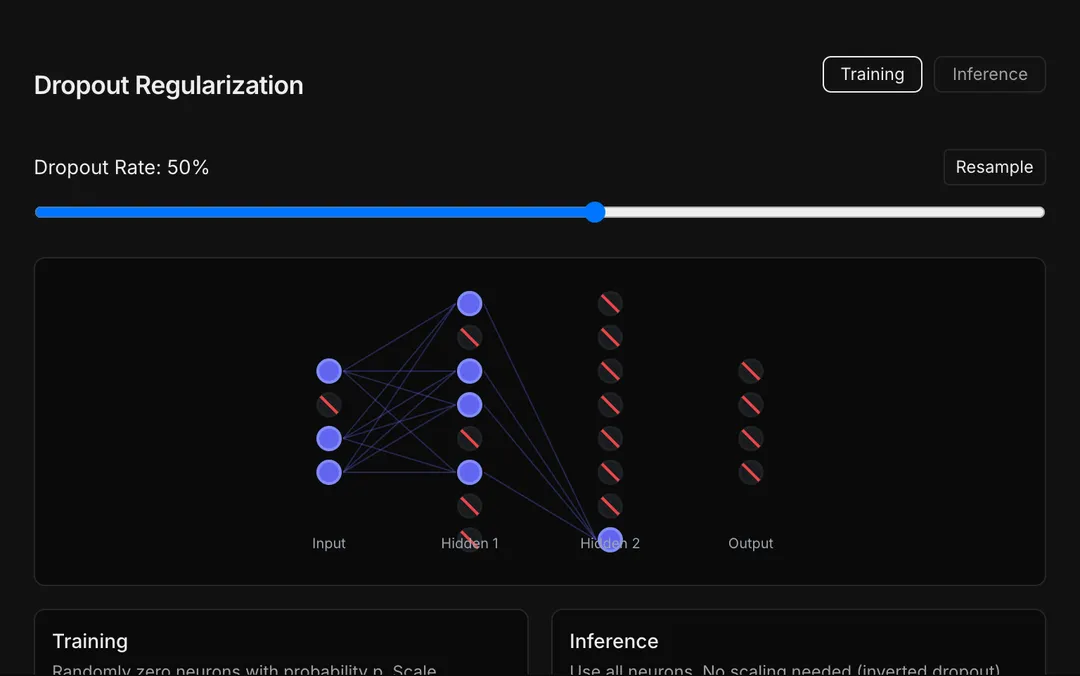
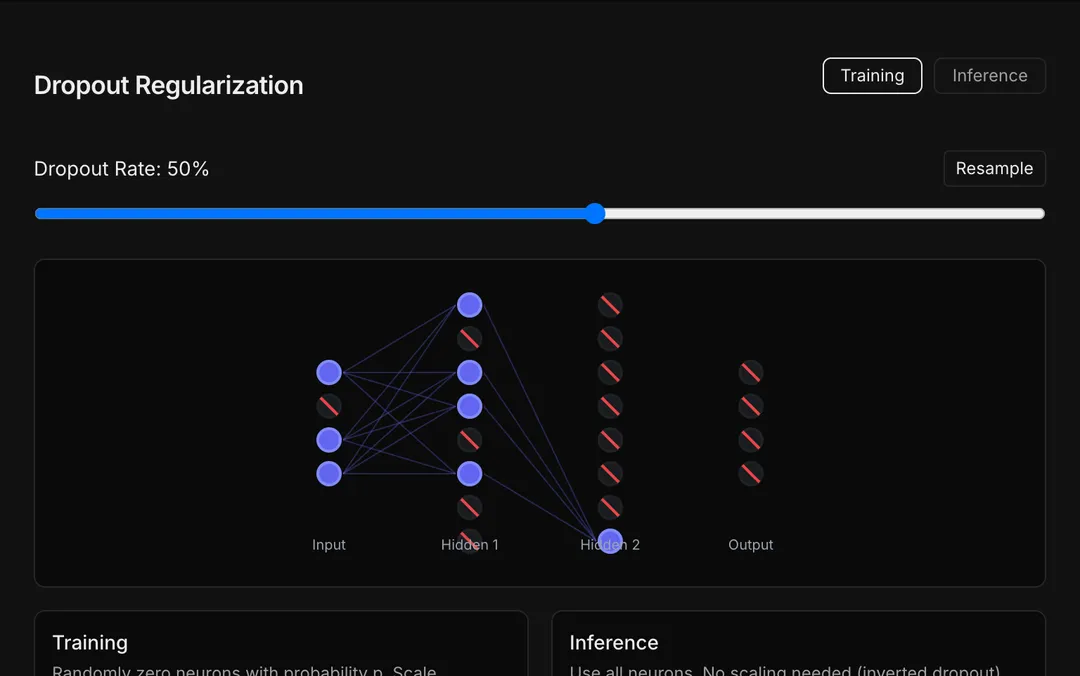
Hinton et al.
Randomly dropping units during training to prevent overfitting
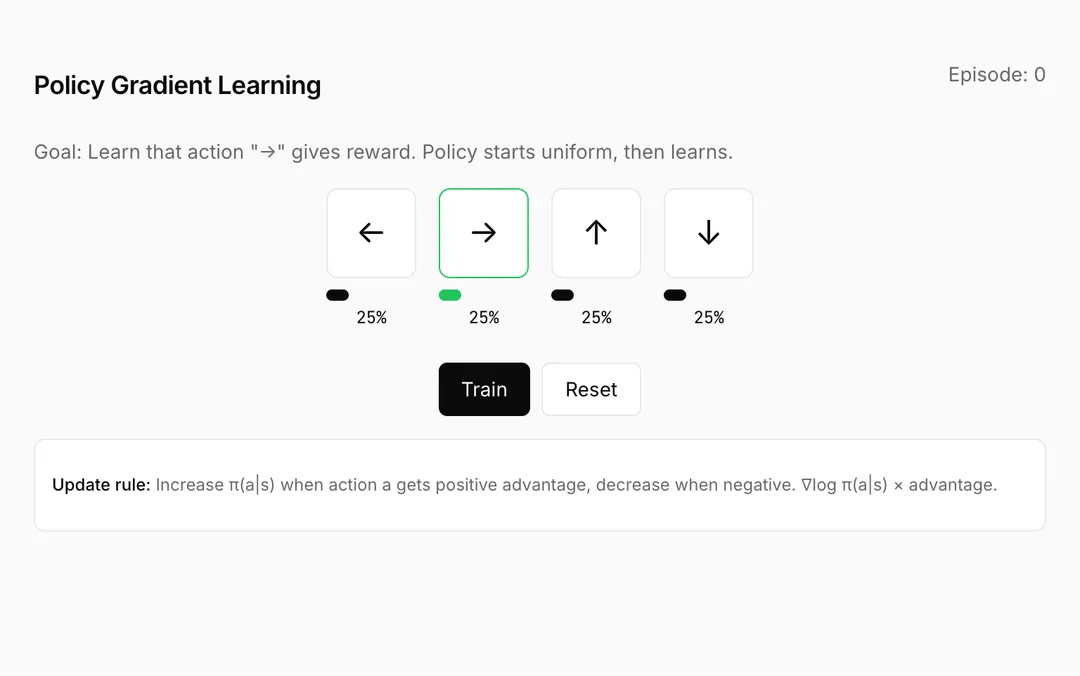
Concept1992
Williams
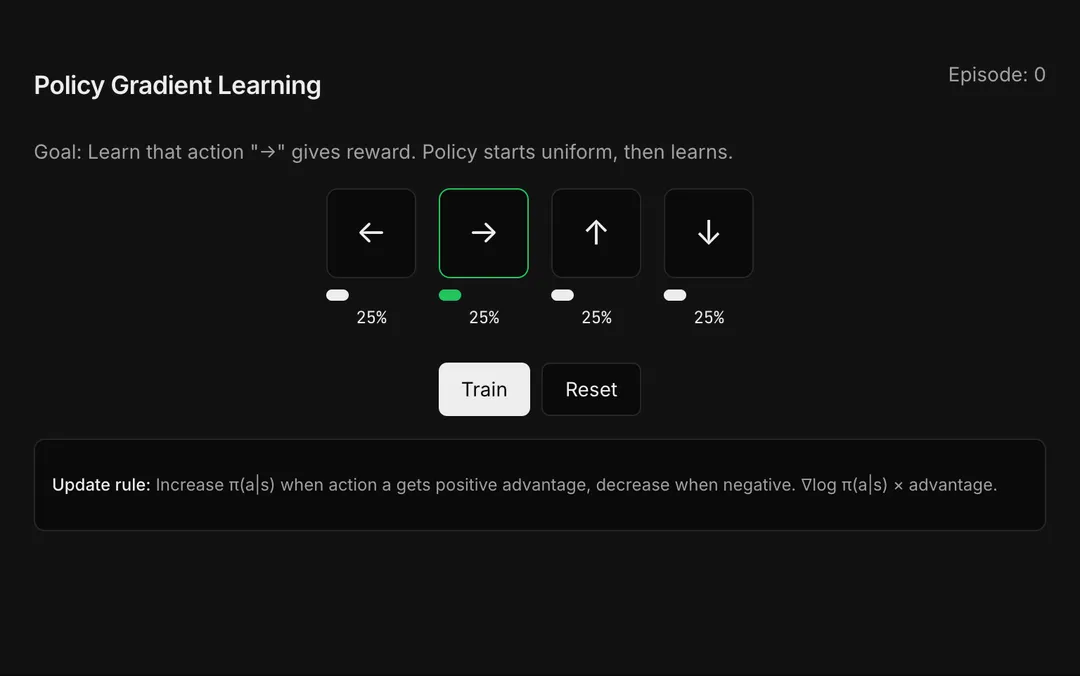
Directly optimizing policies through gradient ascent on expected returns
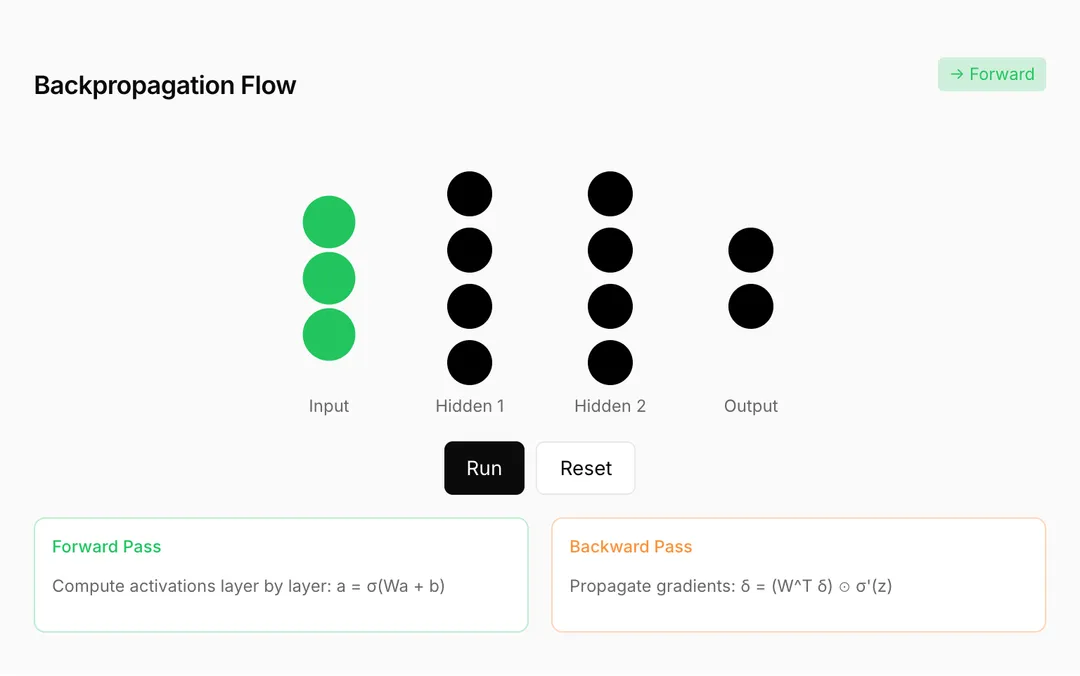
Concept1986
Rumelhart, Hinton & Williams
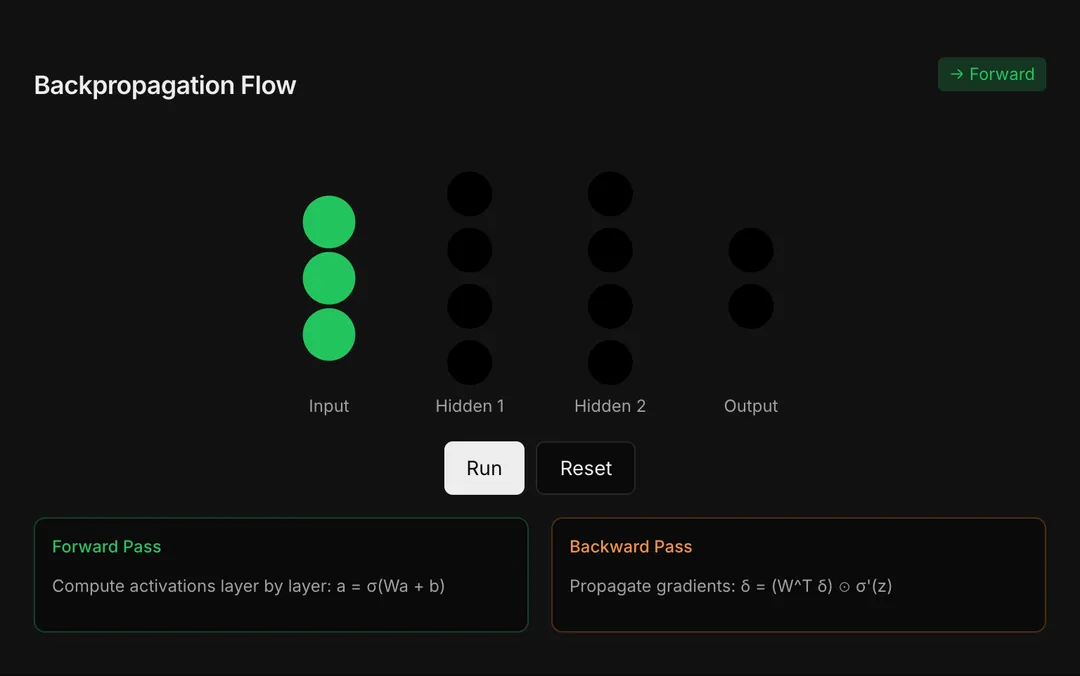
The algorithm that enables neural networks to learn by computing gradients efficiently
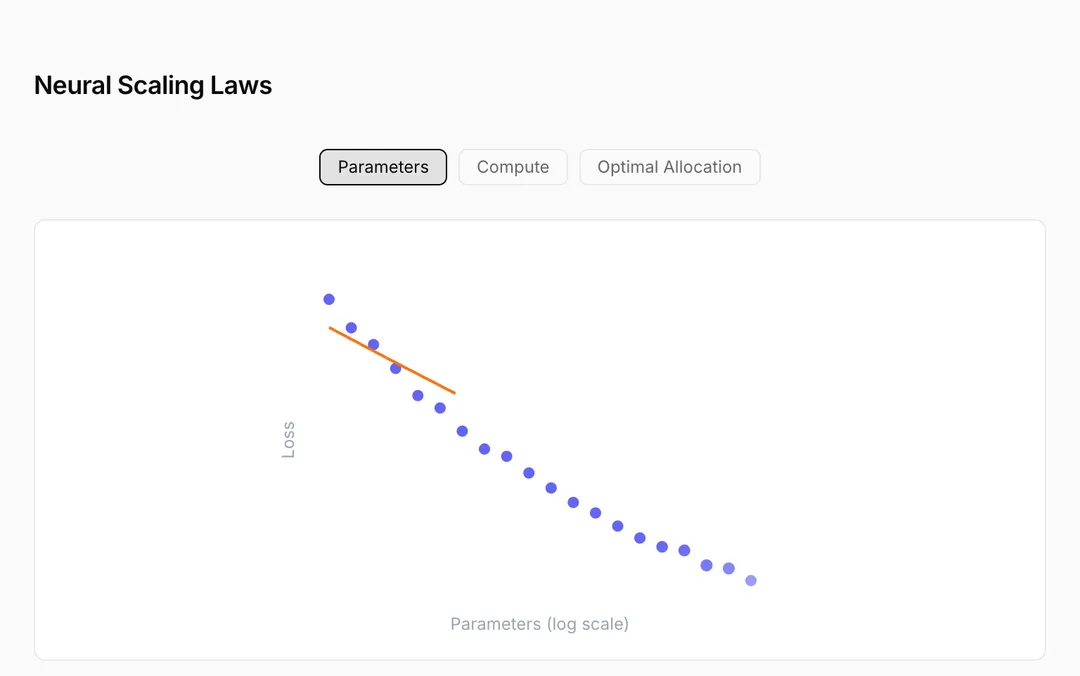
Paper2020
Kaplan et al.
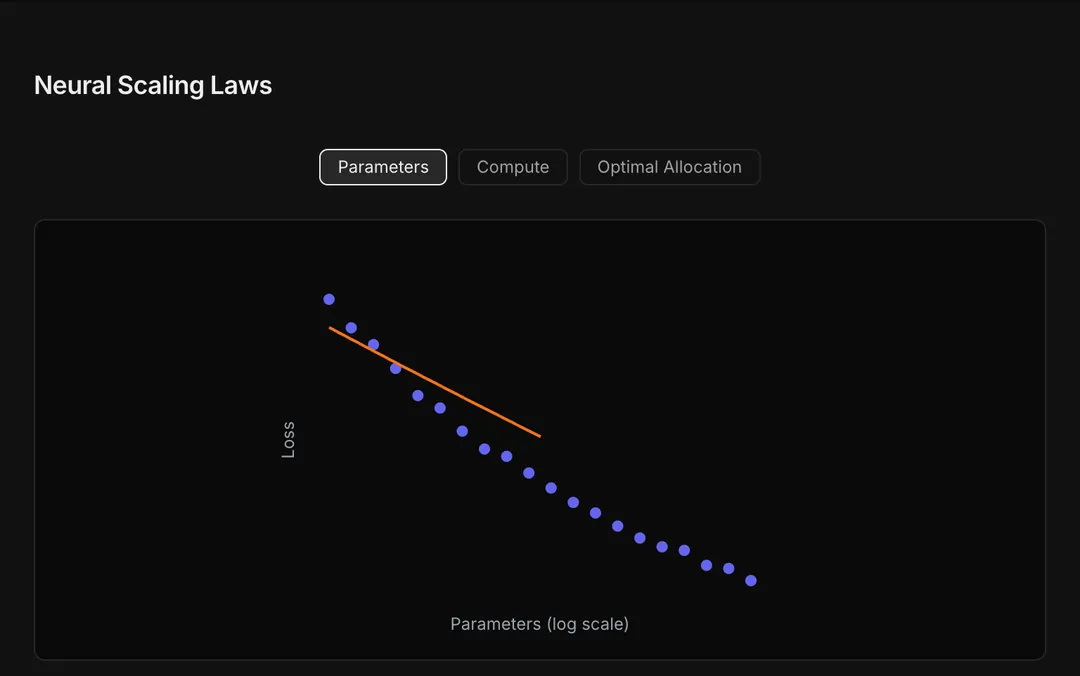
Why bigger models, more data, and more compute lead to predictable gains
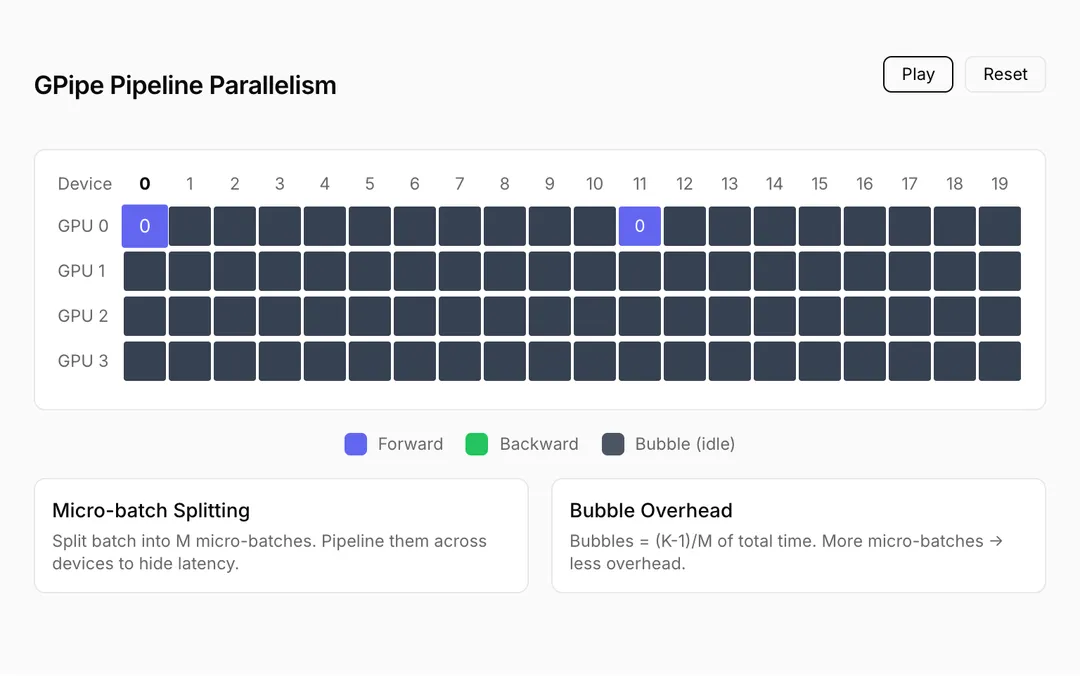
Paper2019
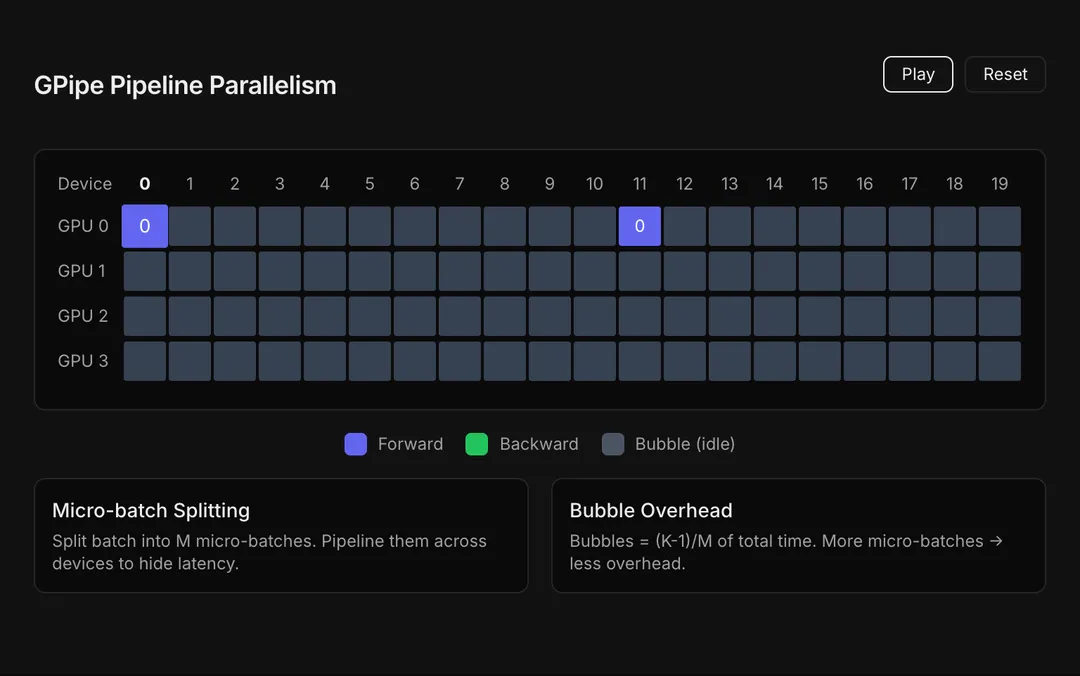
Huang et al.
Training giant neural networks by pipelining micro-batches across devices
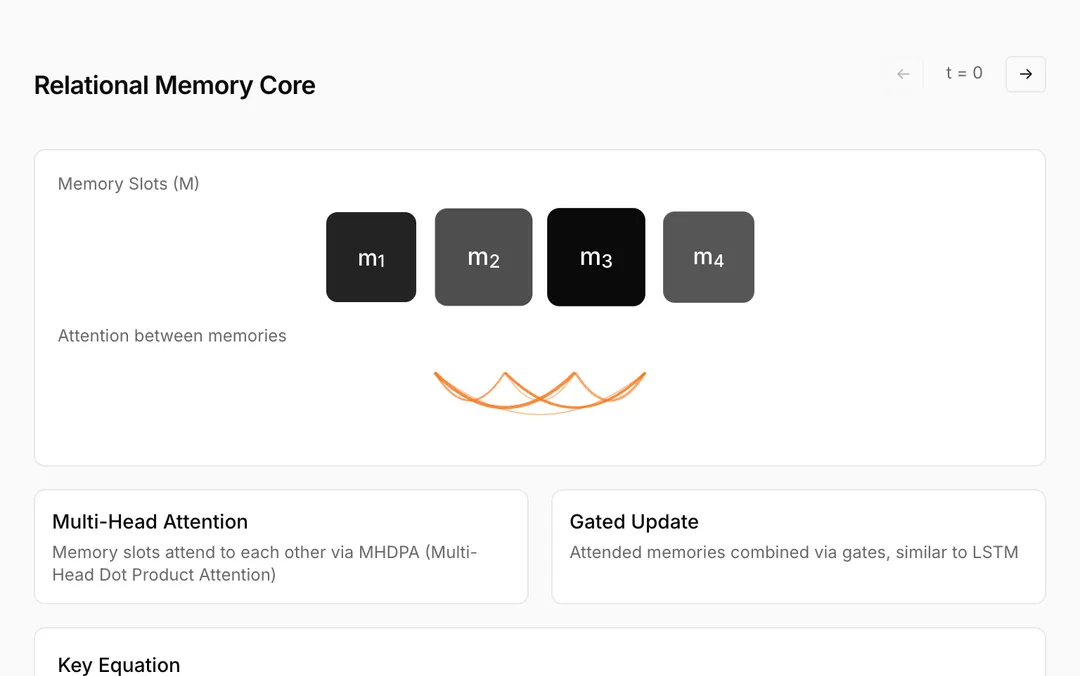
Paper2018
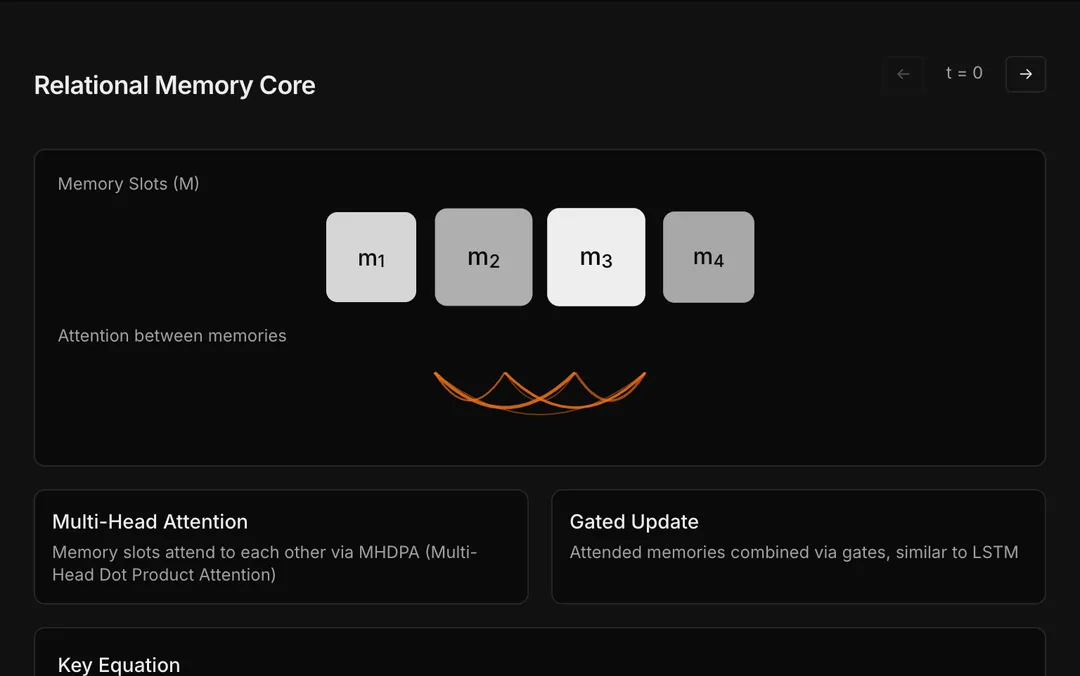
Santoro et al.
RNNs with relational memory that enables reasoning across time
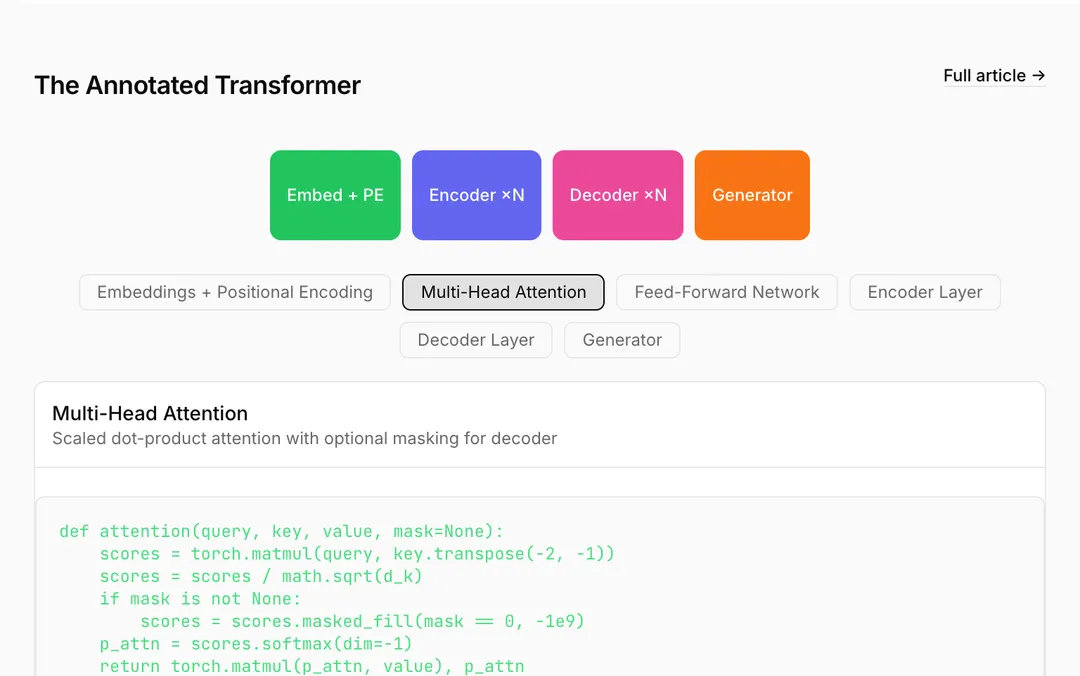
Blog2018
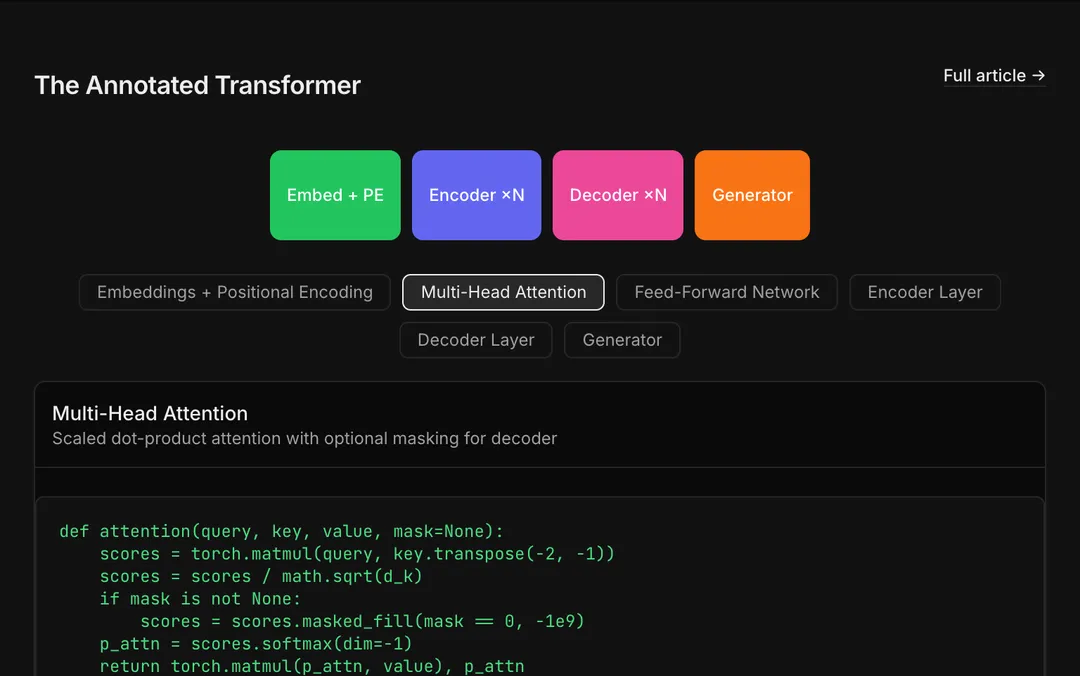
Sasha Rush
Line-by-line PyTorch implementation of the Transformer architecture
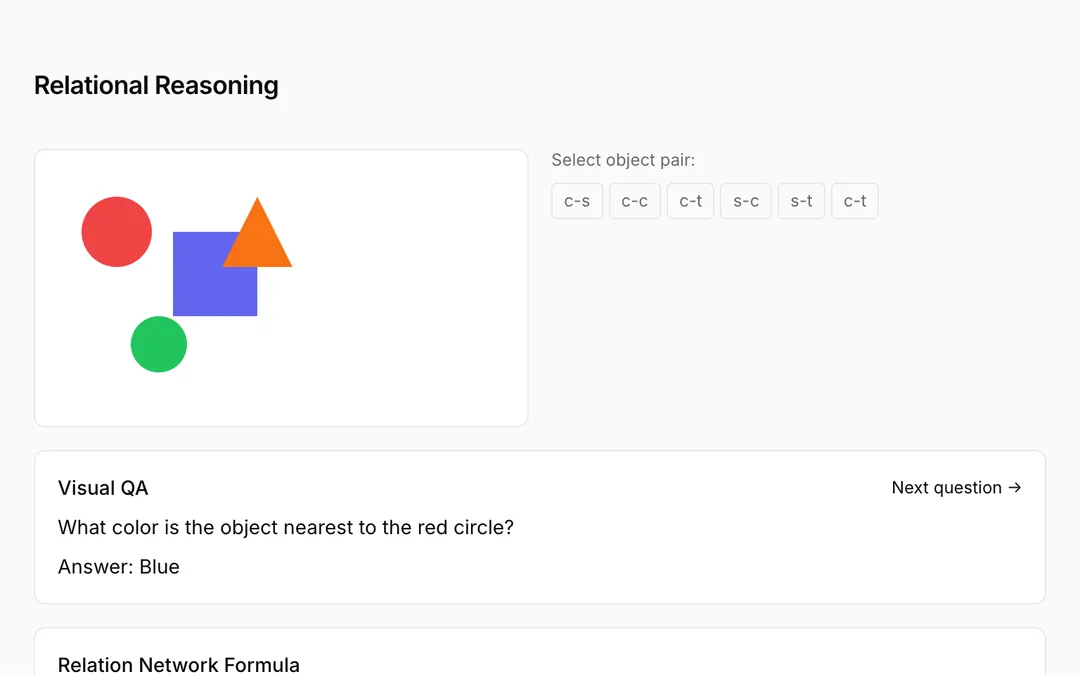
Paper2017
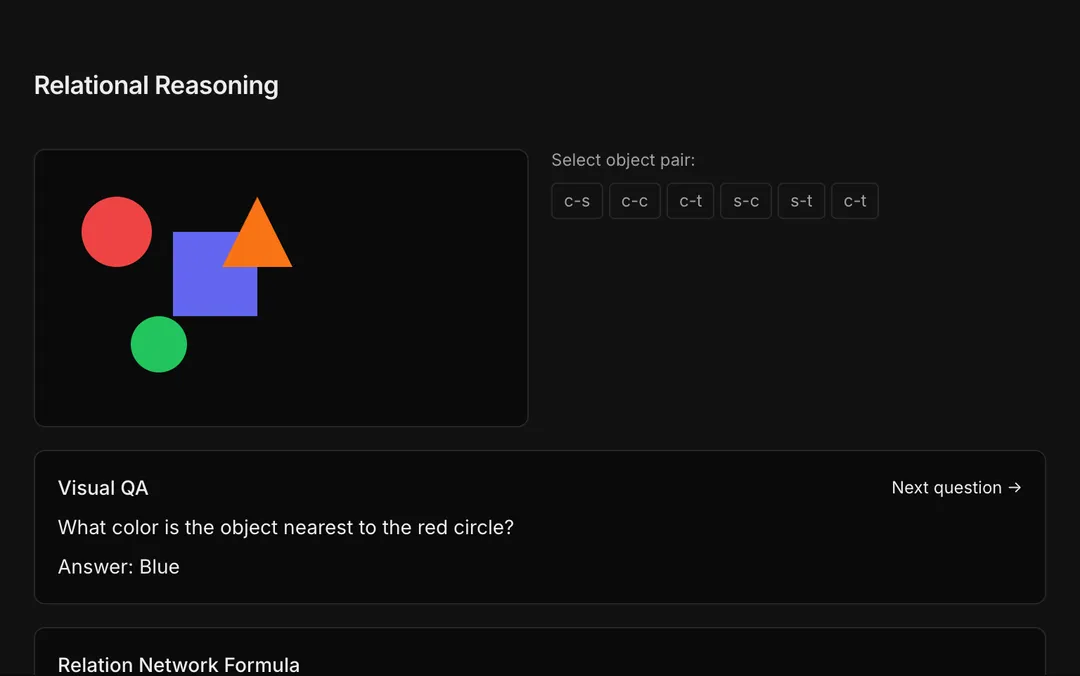
Santoro et al.
Relation Networks for learning to reason about object relationships
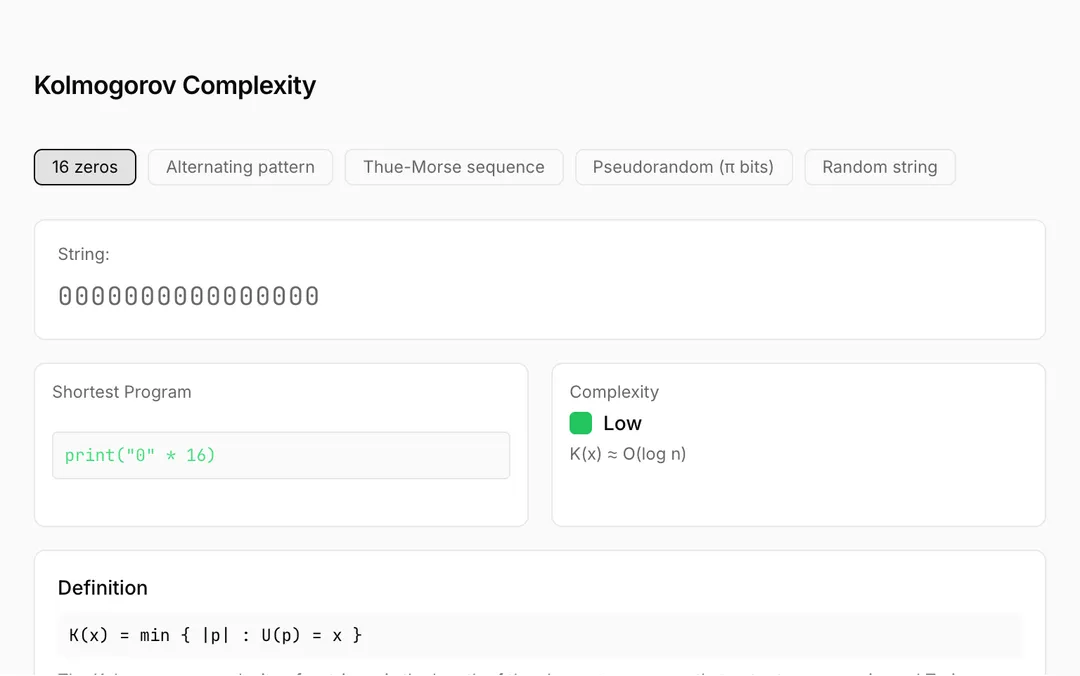
Misc2017
Shen, Uspensky & Vereshchagin
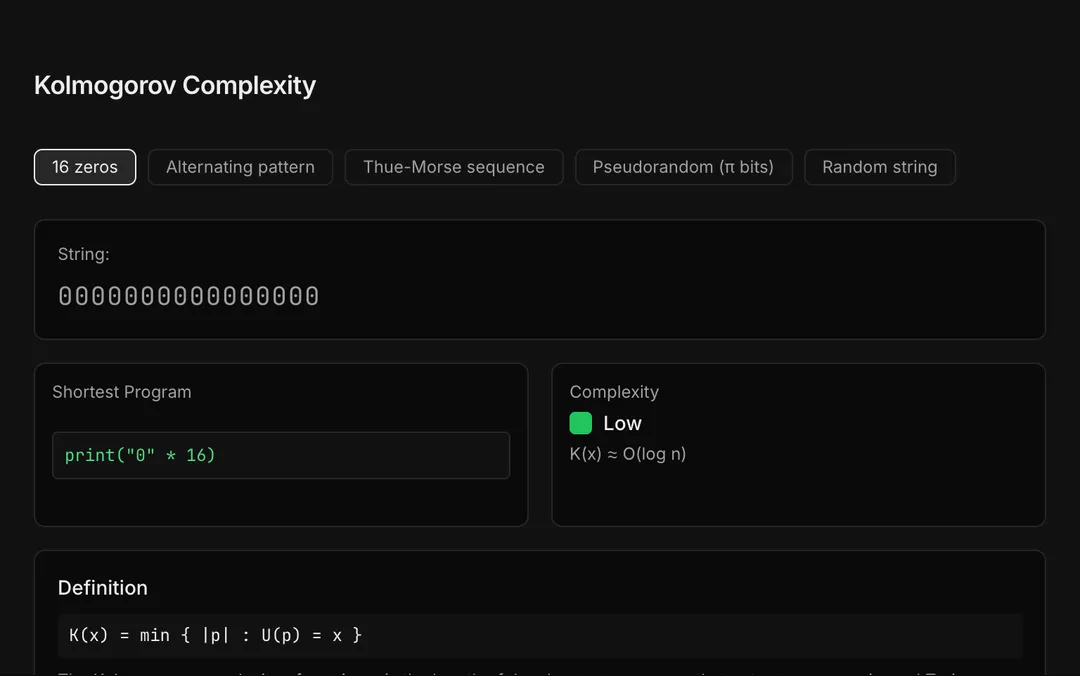
Measuring how short the best description of an object can be
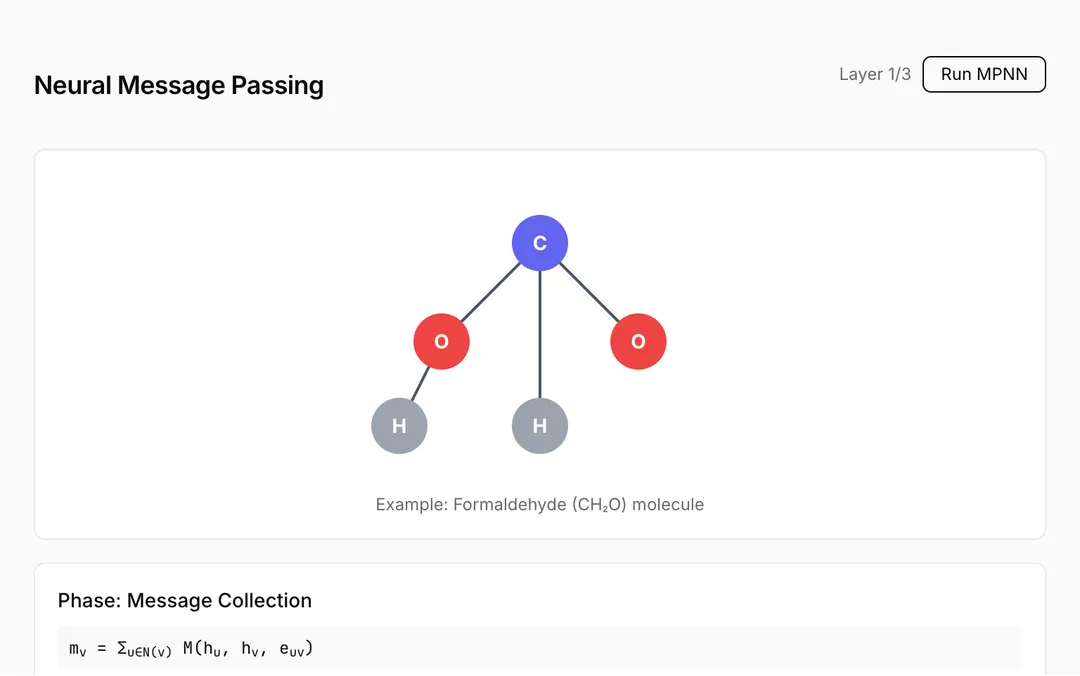
Paper2017
Gilmer et al.
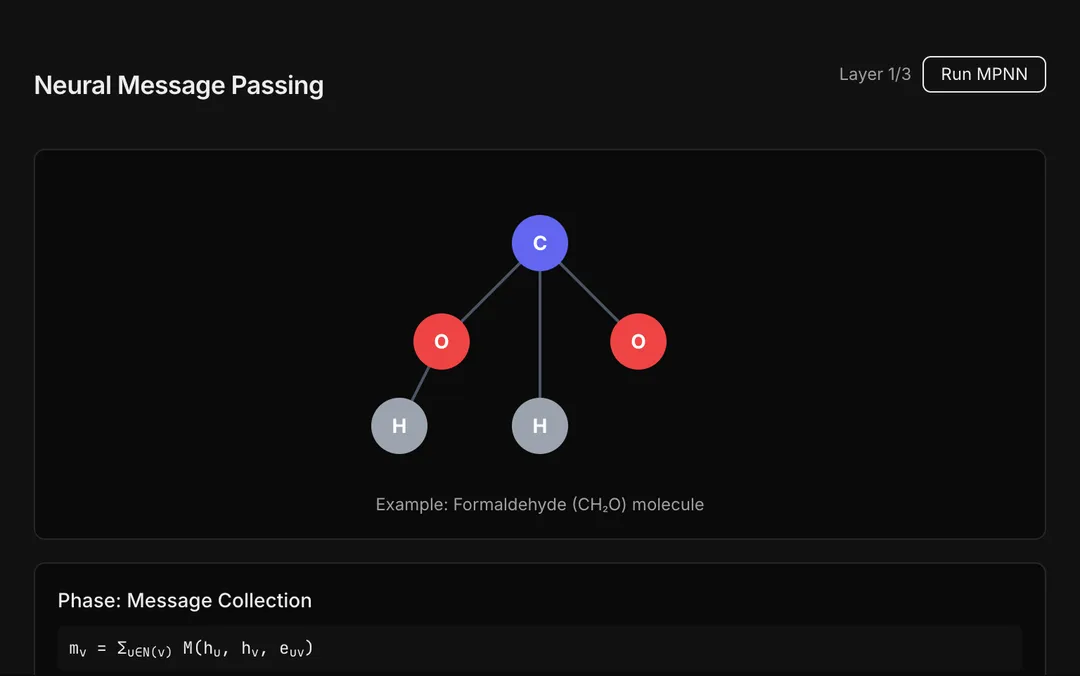
A unified framework for graph neural networks applied to molecular property prediction
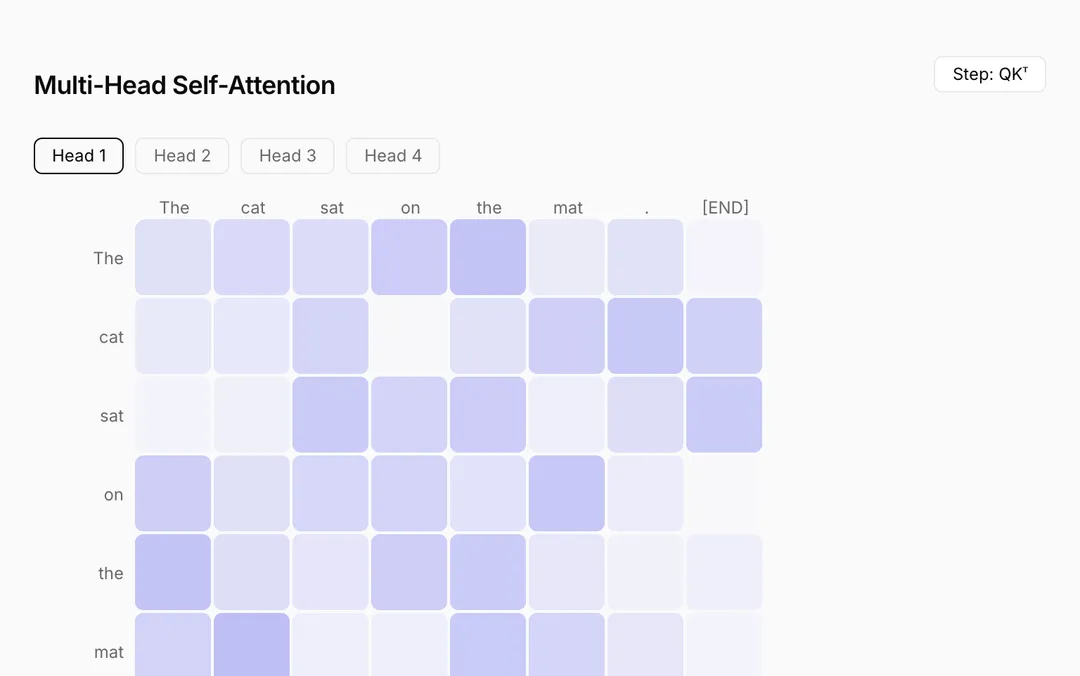
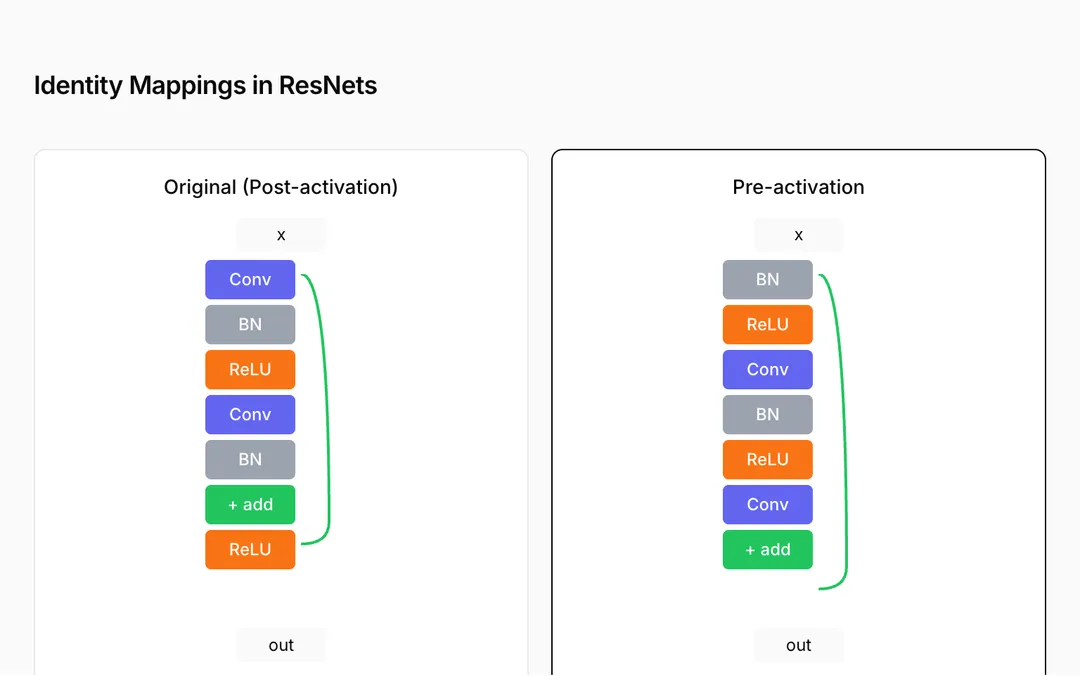
Paper2016
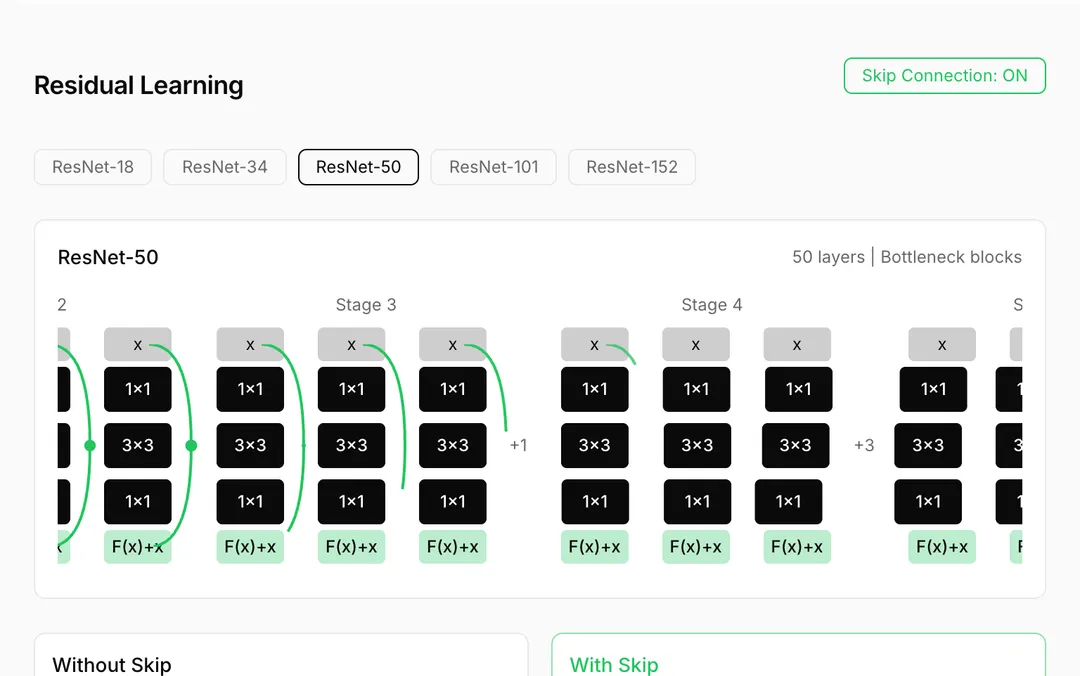
He et al.
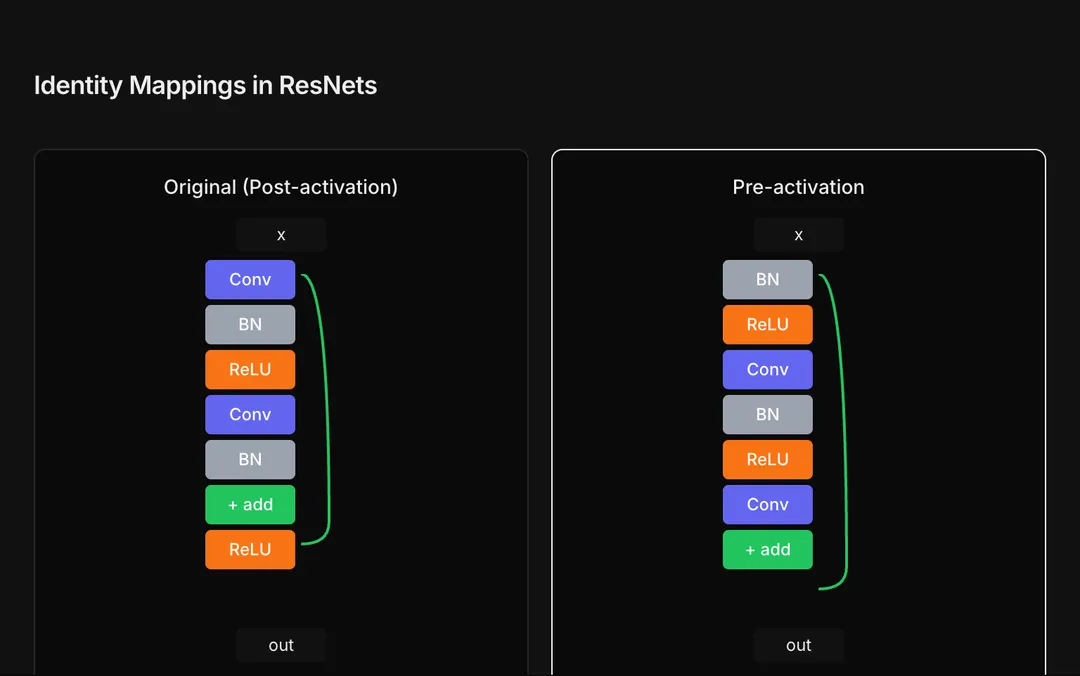
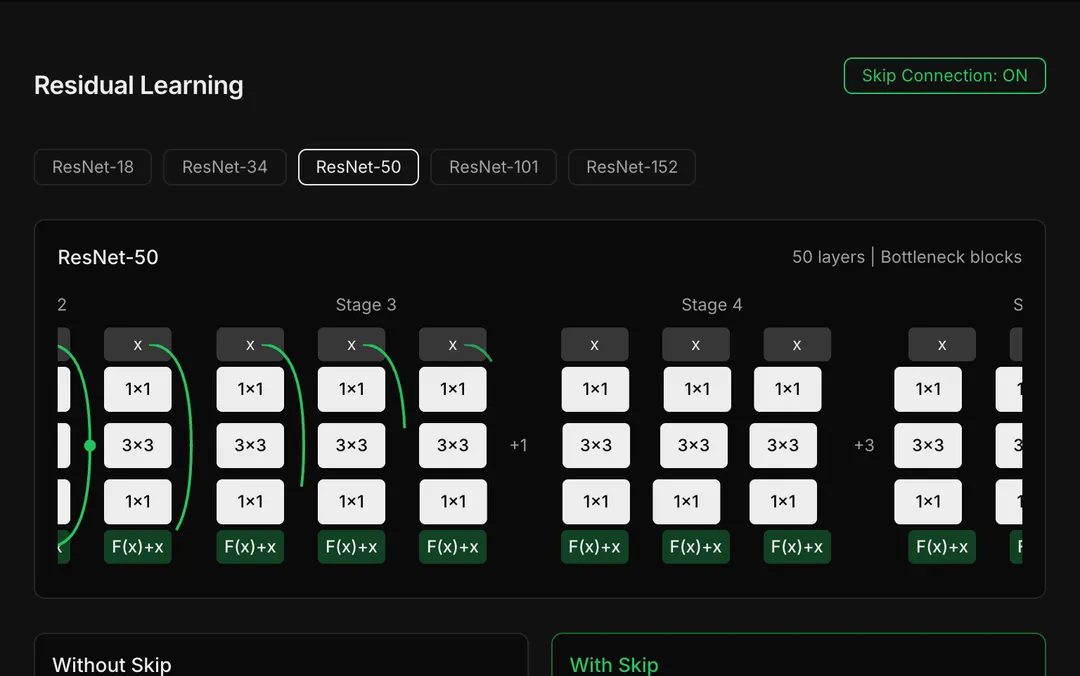
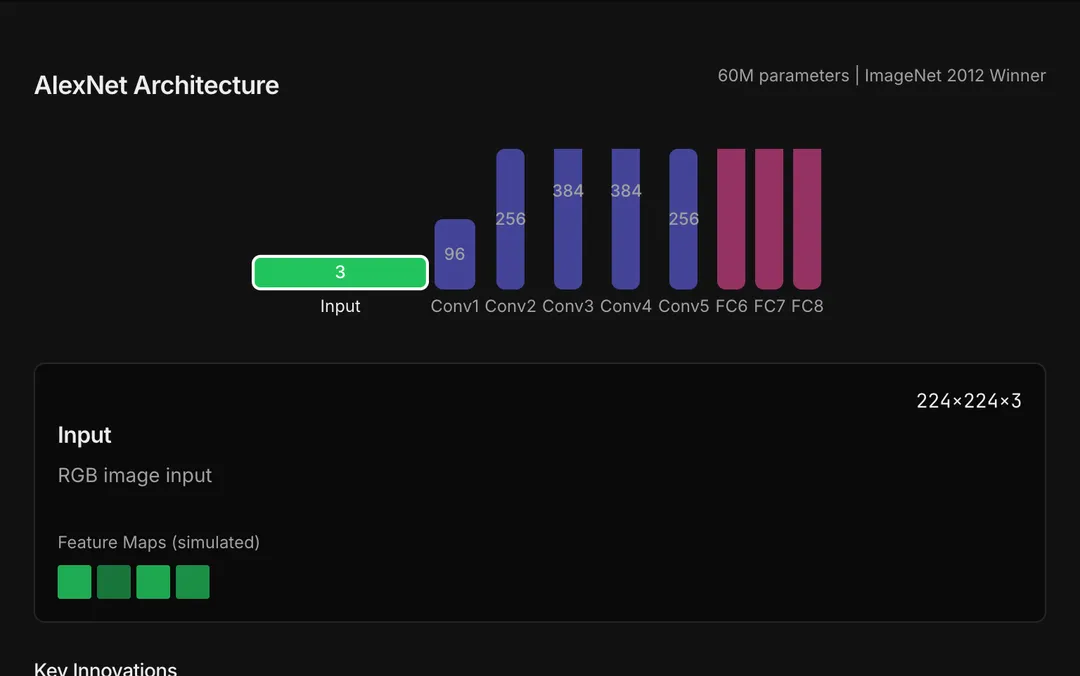
Pre-activation ResNet design that enables training of 1000+ layer networks
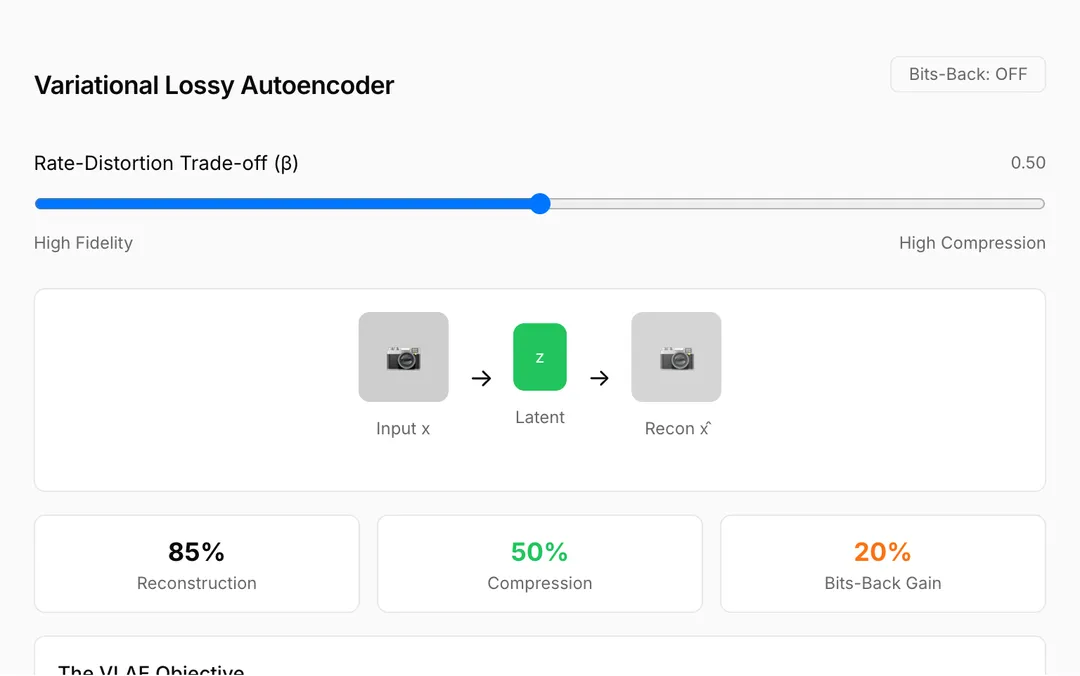
Paper2016
Chen et al.
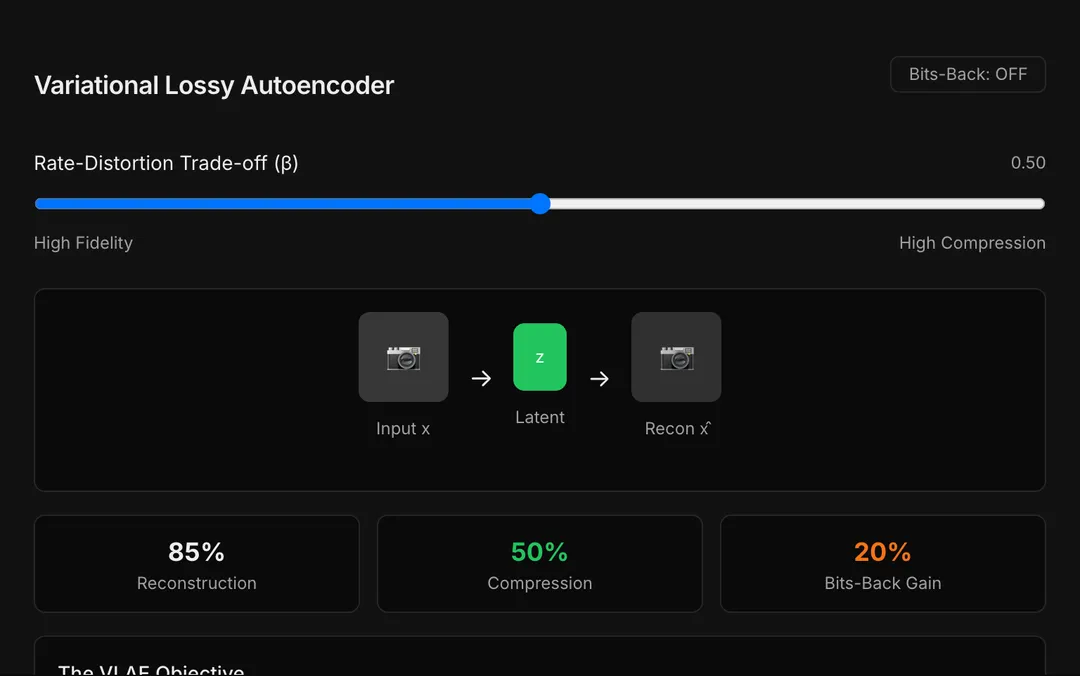
Understanding VAEs as compression systems with a rate-distortion trade-off
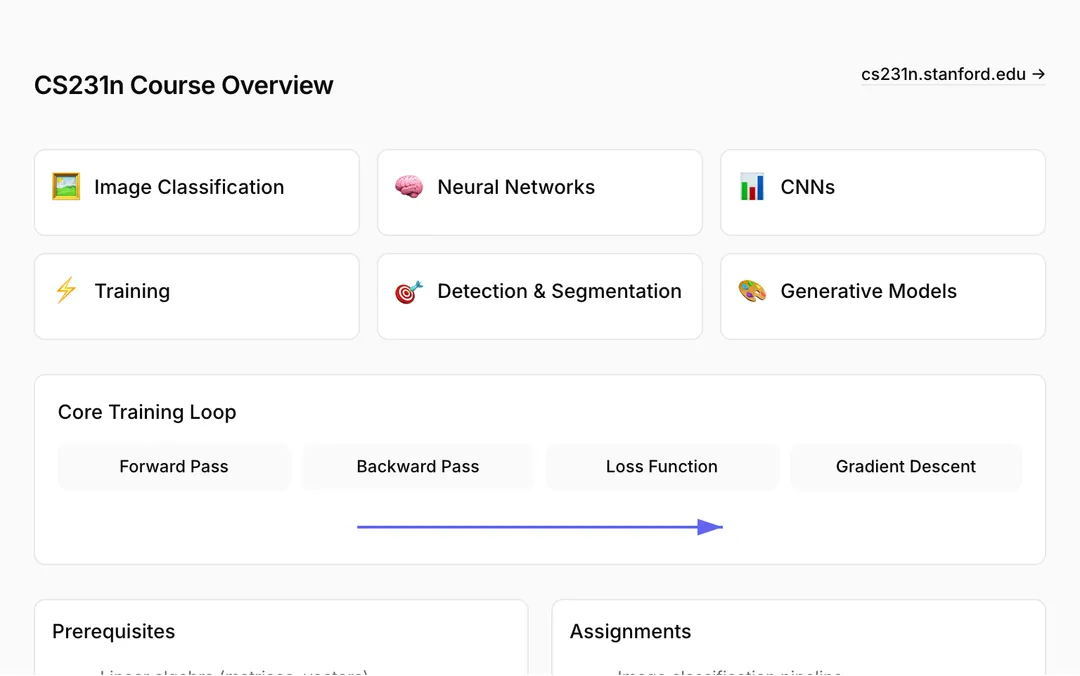
Misc2015
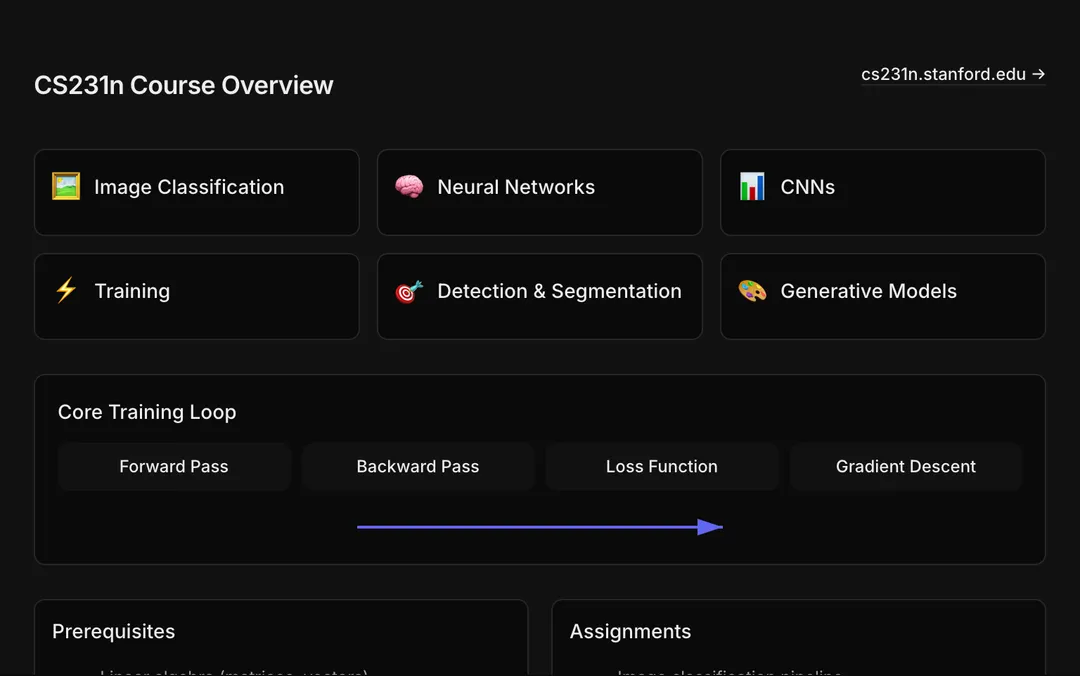
Stanford
Stanford's foundational course on deep learning for computer vision
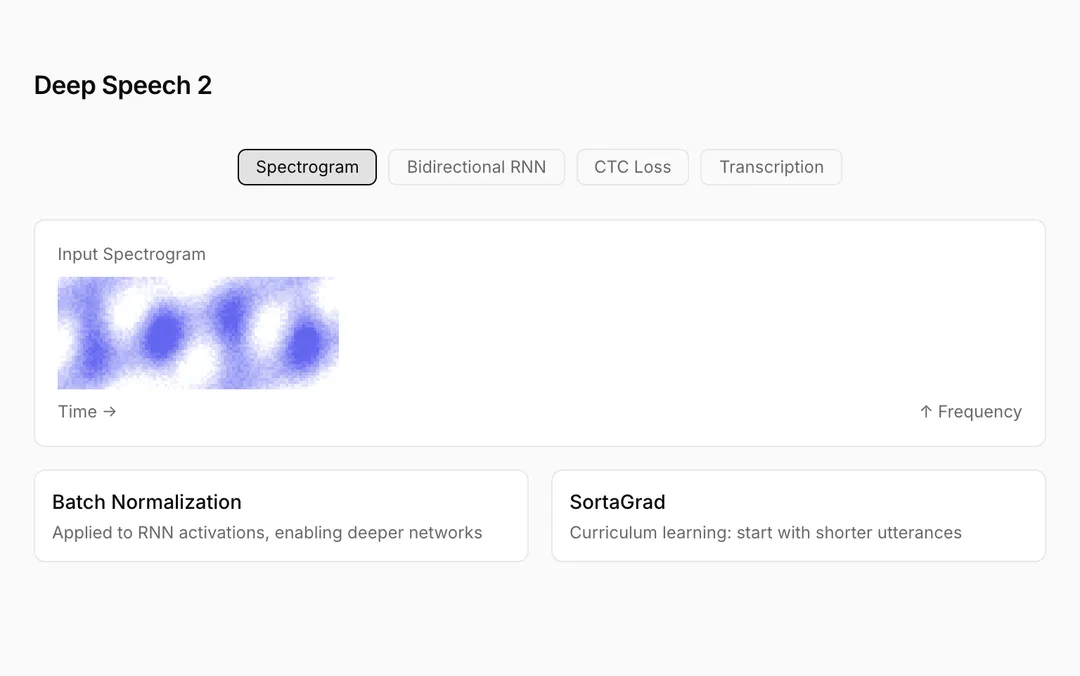
Paper2015
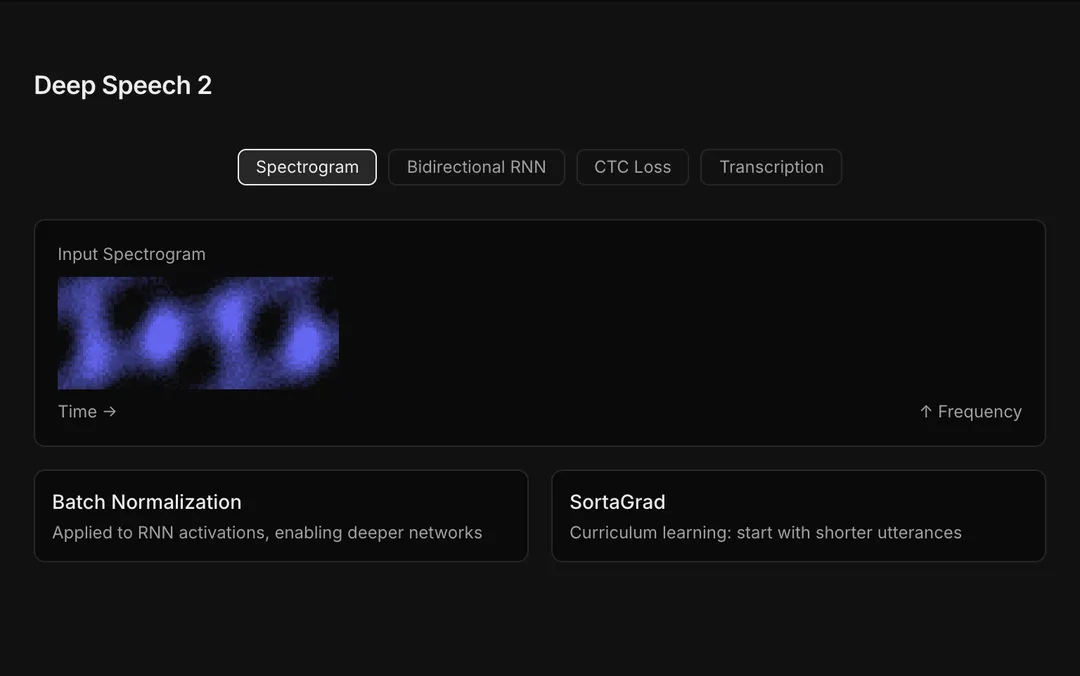
Amodei et al.
Scaling up end-to-end speech recognition with RNNs and CTC
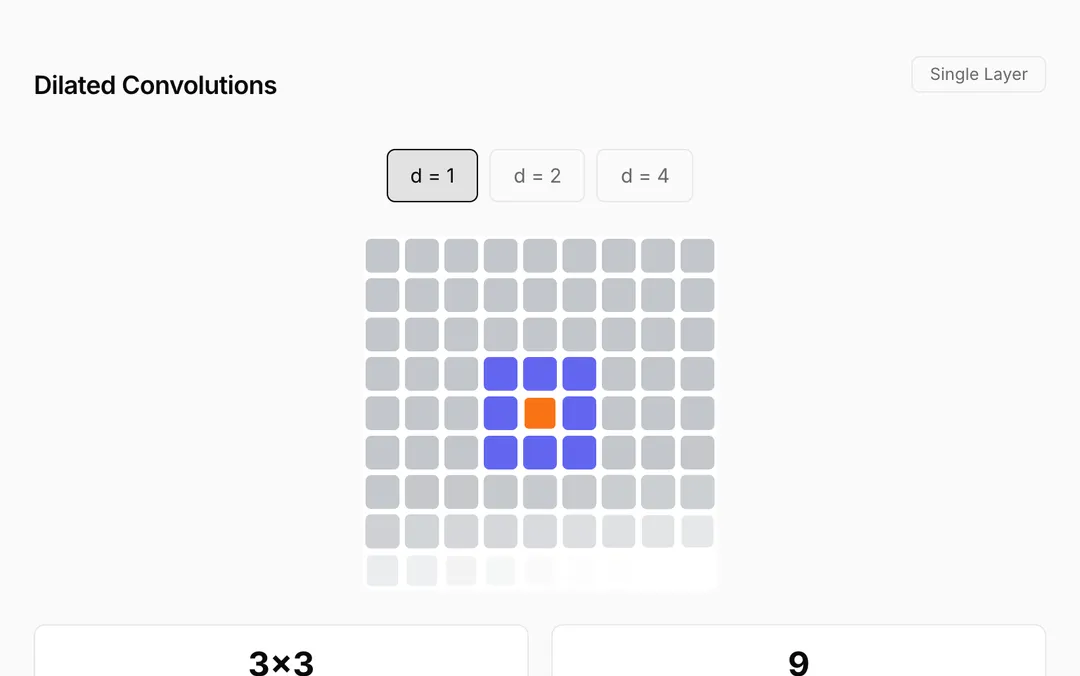
Paper2015
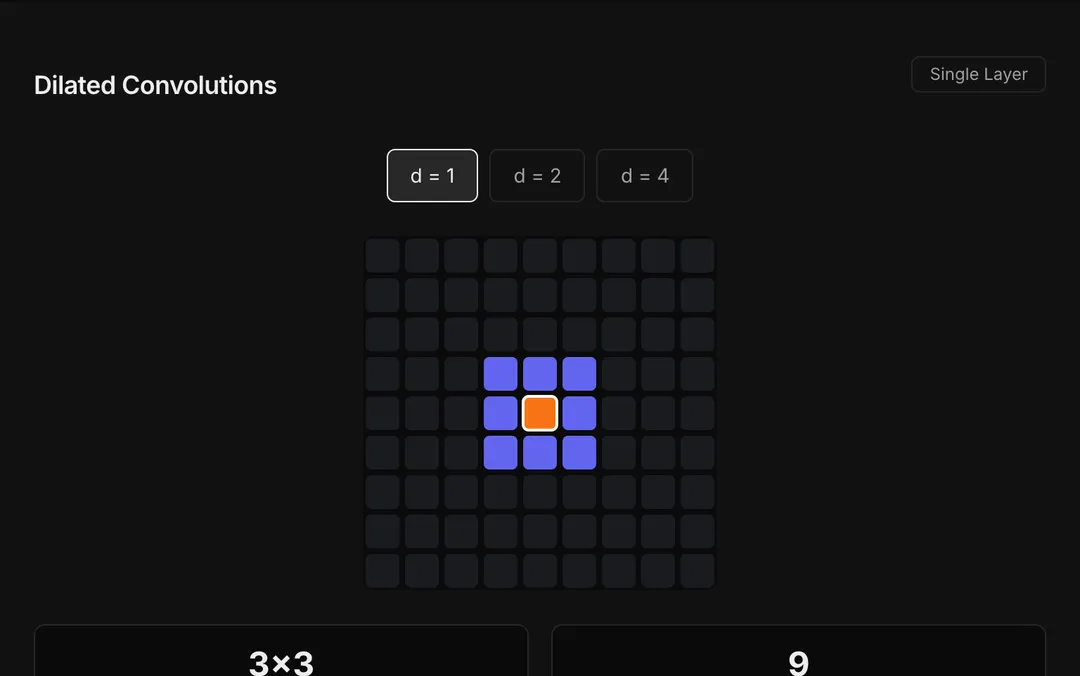
Yu & Koltun
Expanding receptive fields exponentially without losing resolution or adding parameters
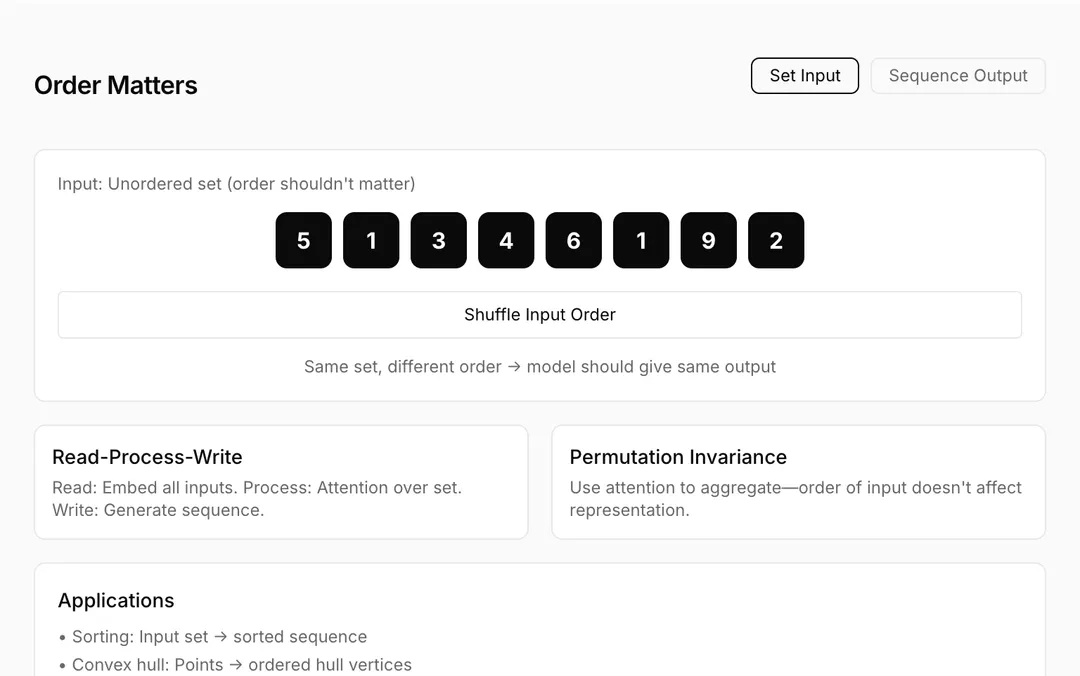
Paper2015
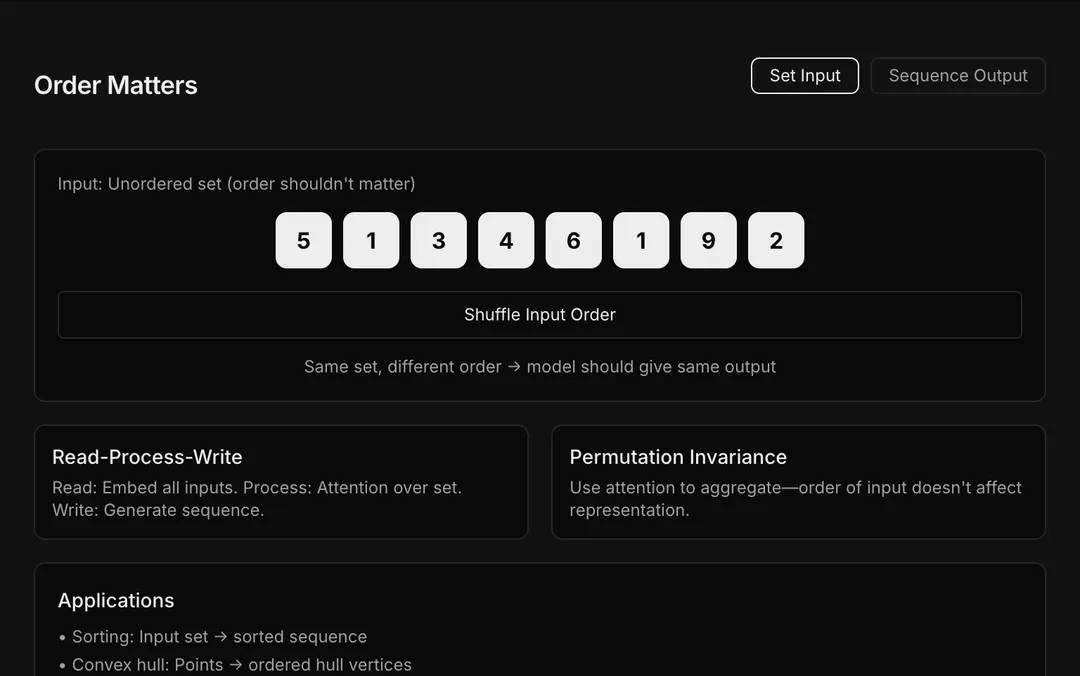
Vinyals, Bengio & Kudlur
How input and output ordering affects seq2seq learning on set-structured data
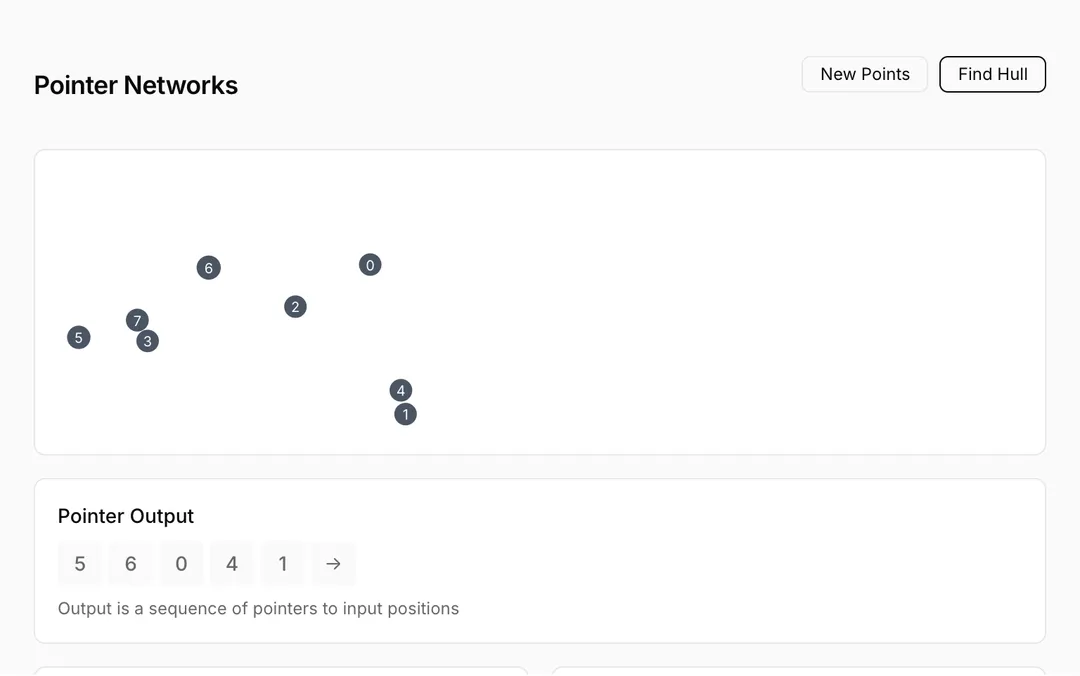
Paper2015
Vinyals, Fortunato & Jaitly
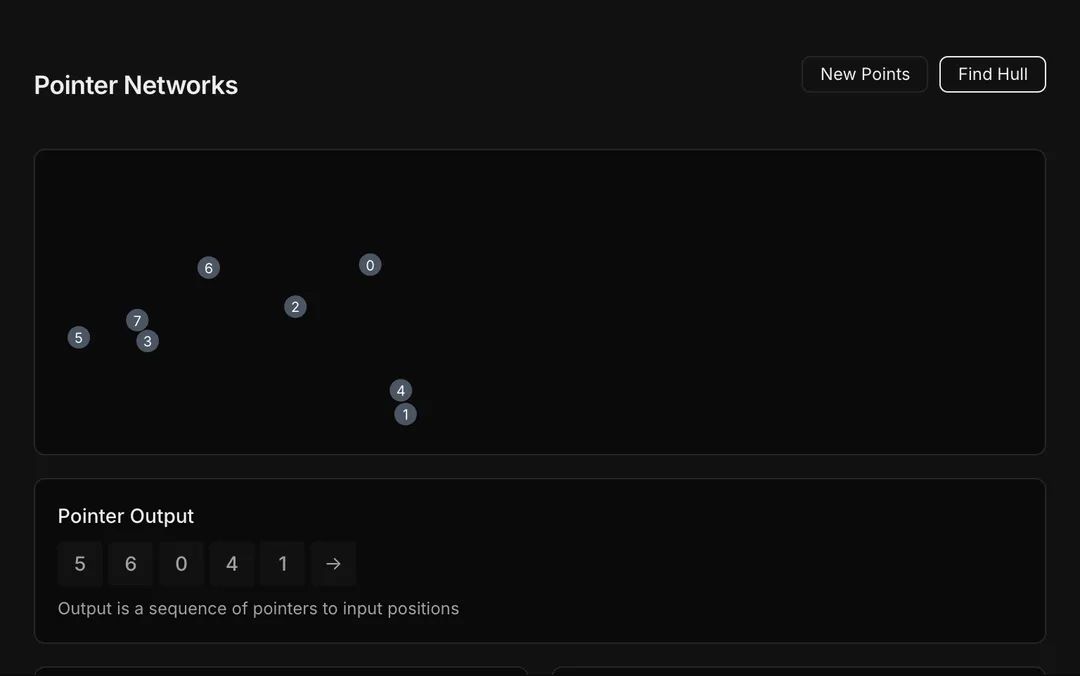
Neural architecture that outputs pointers to input positions, enabling variable-size outputs
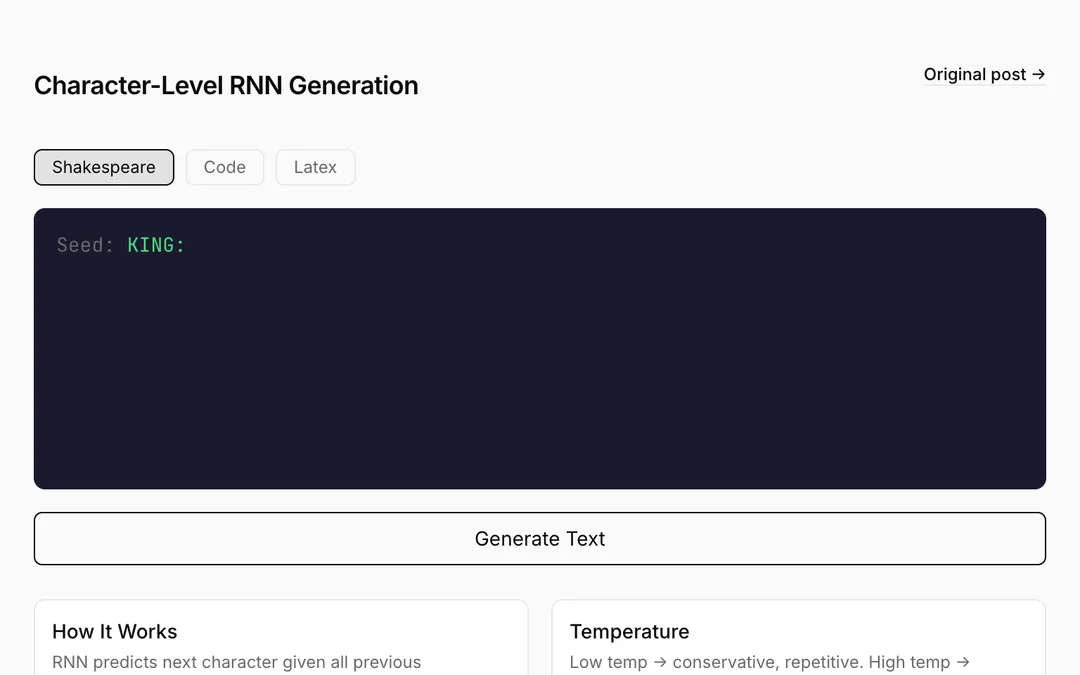
Blog2015
Andrej Karpathy
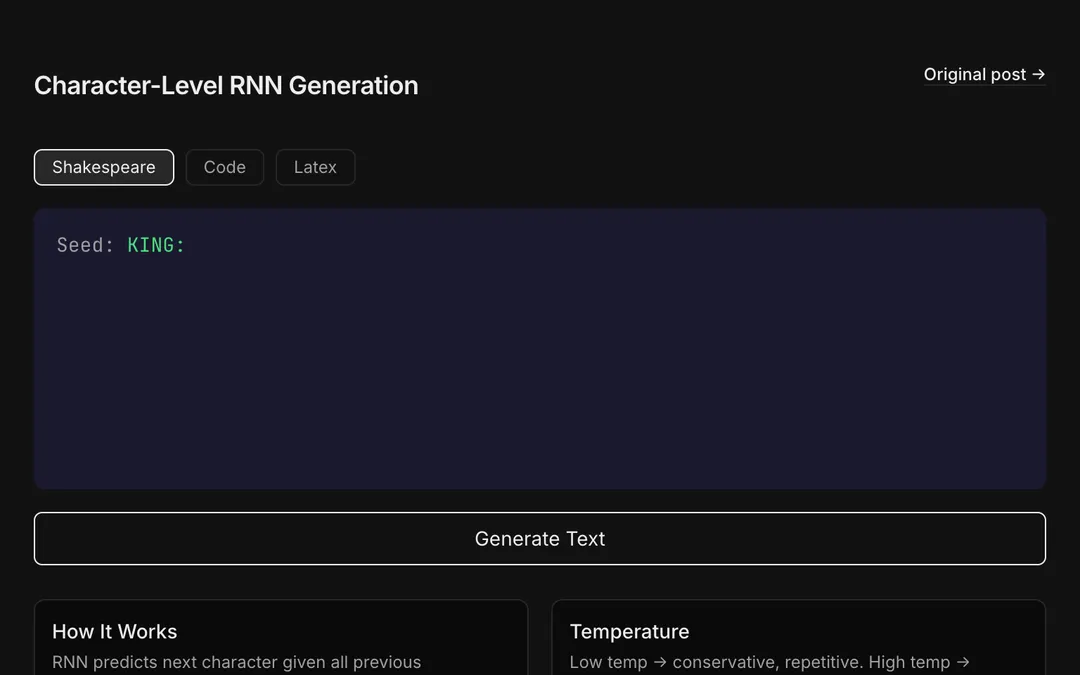
Andrej Karpathy's influential blog post demonstrating RNN capabilities through character-level generation
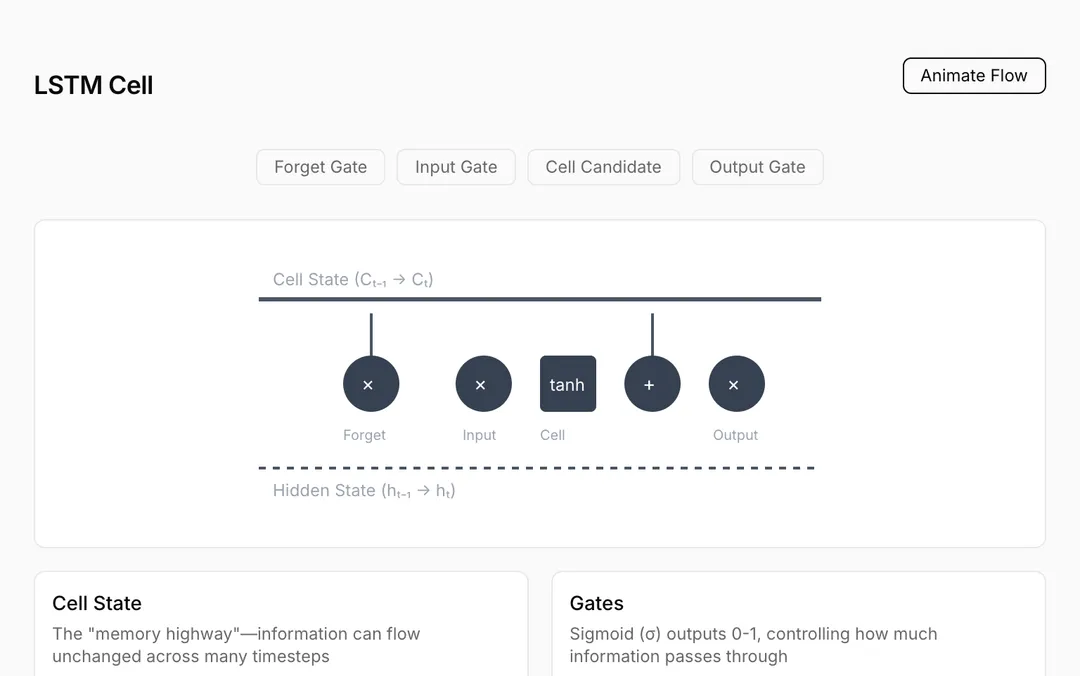
Blog2015
Chris Olah
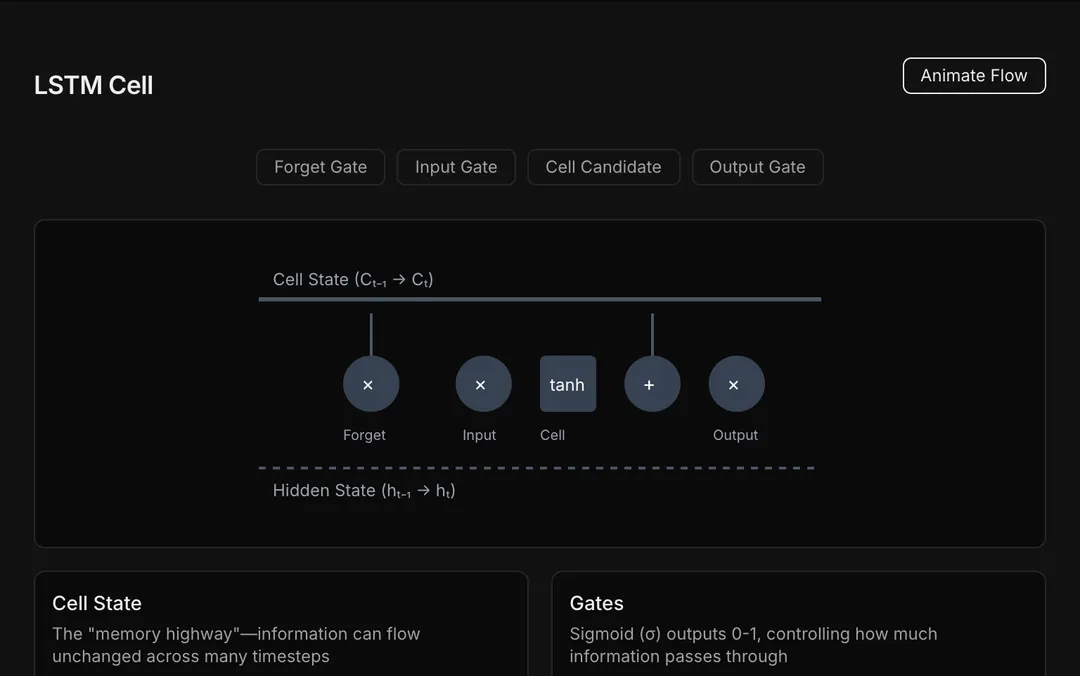
Christopher Olah's visual guide to Long Short-Term Memory networks
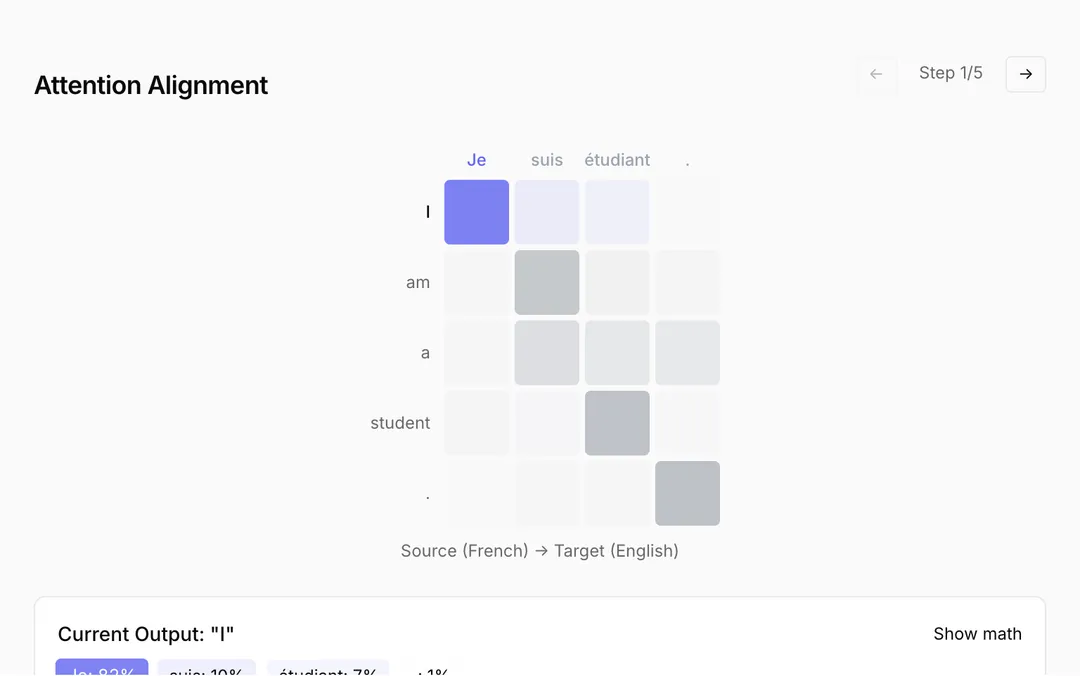
Paper2014
Bahdanau, Cho & Bengio
The paper that introduced the attention mechanism for sequence-to-sequence models
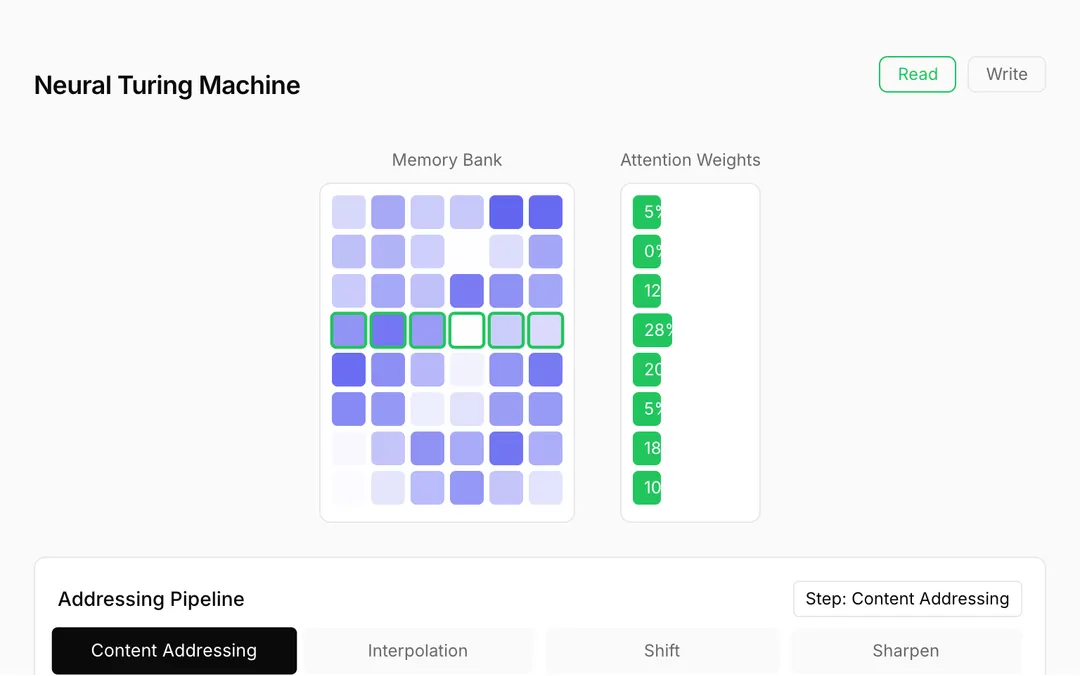
Paper2014
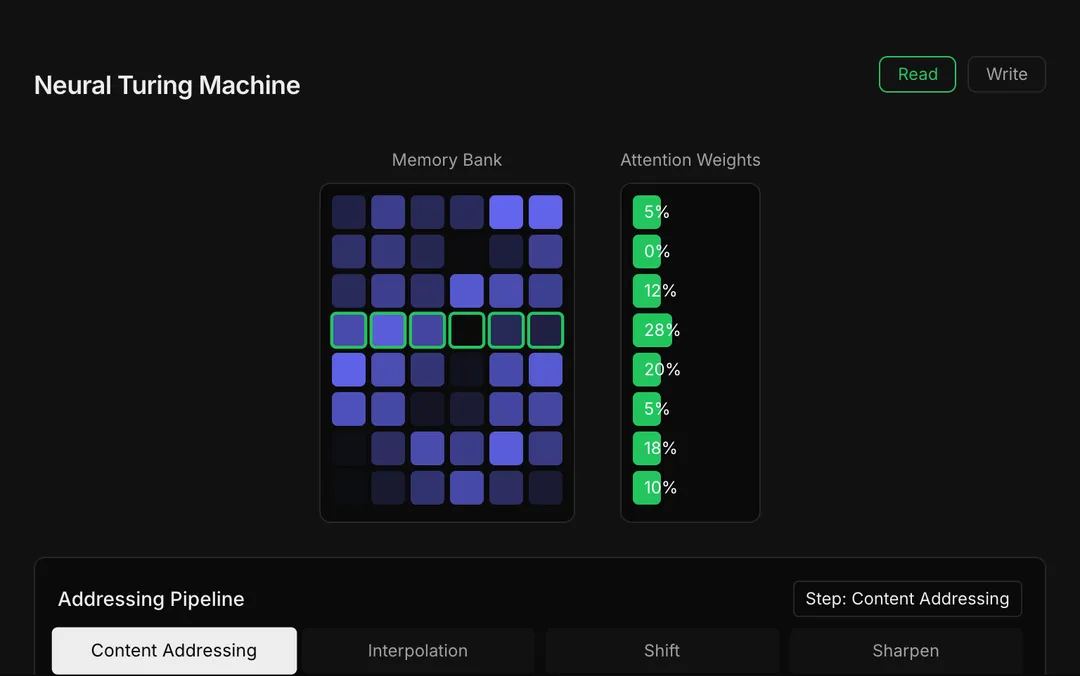
Graves, Wayne & Danihelka
Neural networks augmented with external memory and attention-based read/write heads
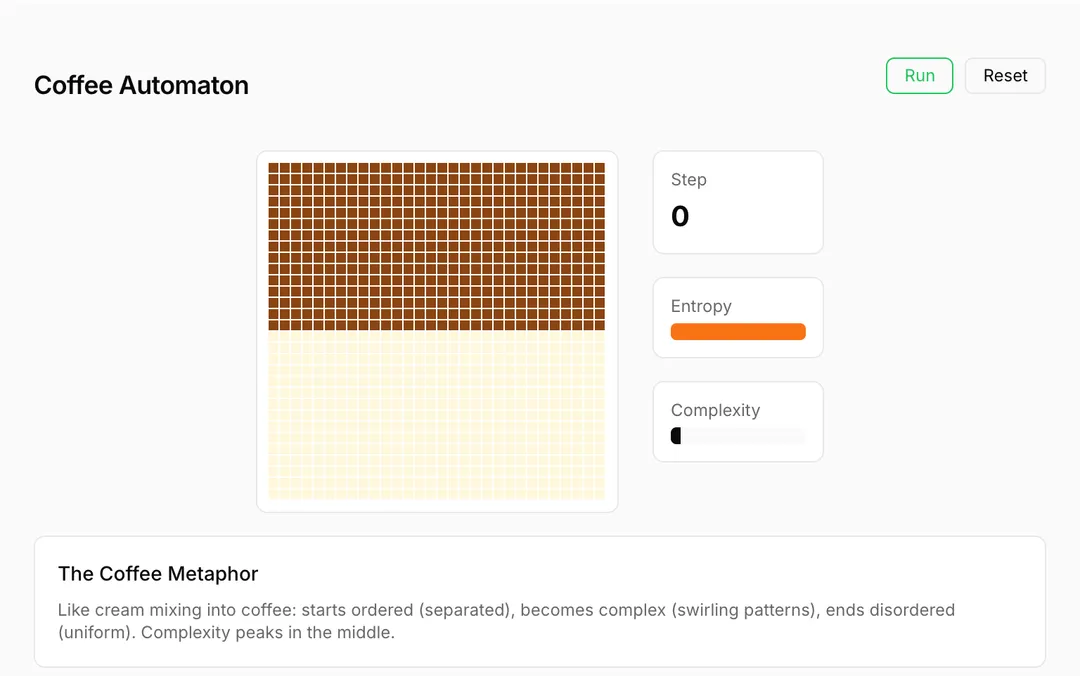
Misc2014
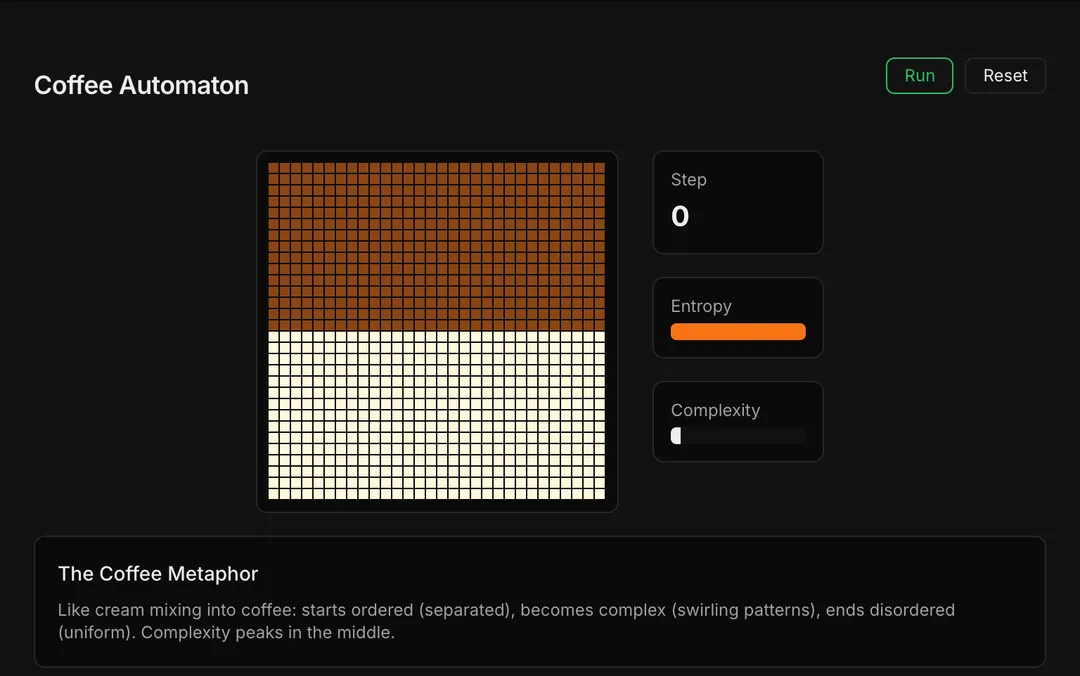
Aaronson, Carroll & Ouellette
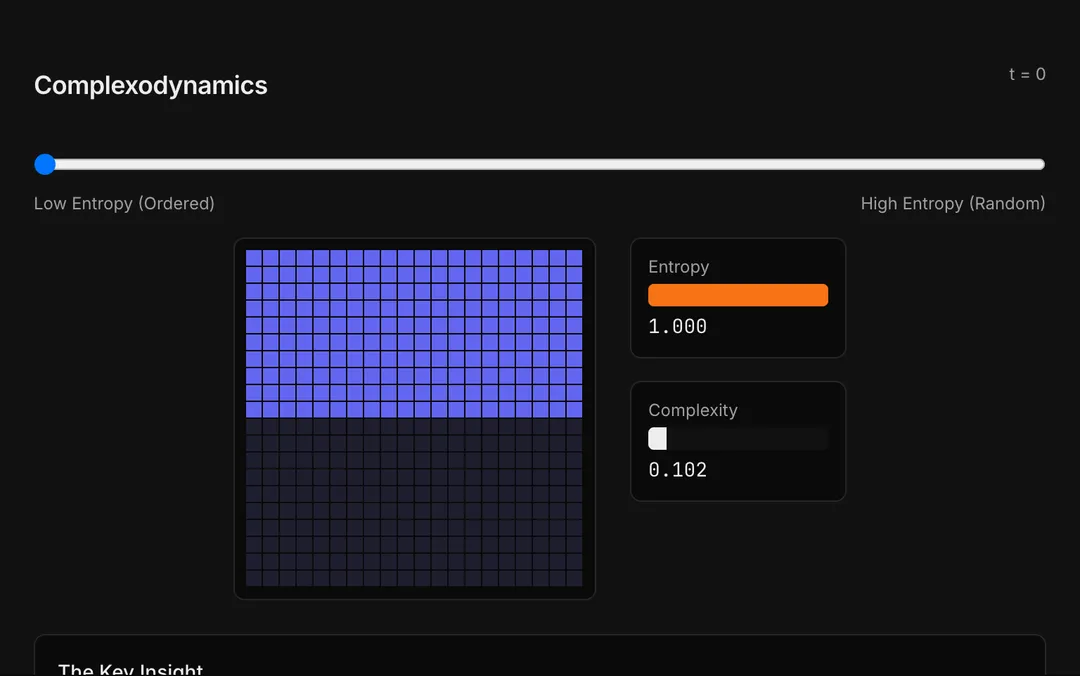
The Coffee Automaton paper formalizing how complexity peaks then declines
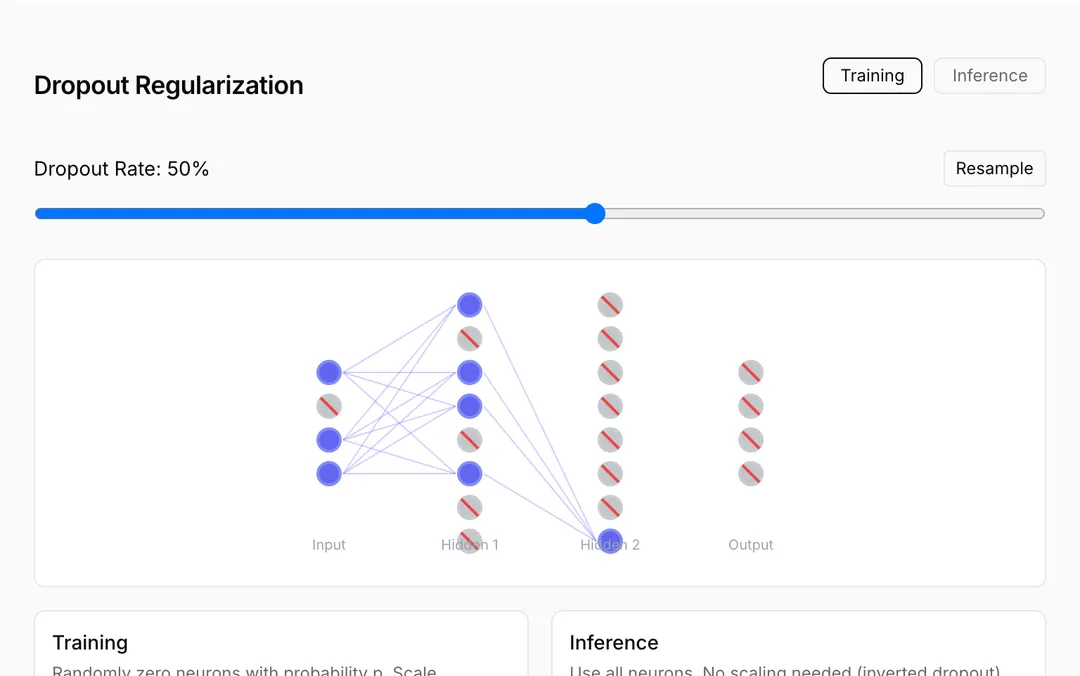
Paper2014
Zaremba, Sutskever & Vinyals
How to apply dropout to LSTMs without disrupting memory dynamics
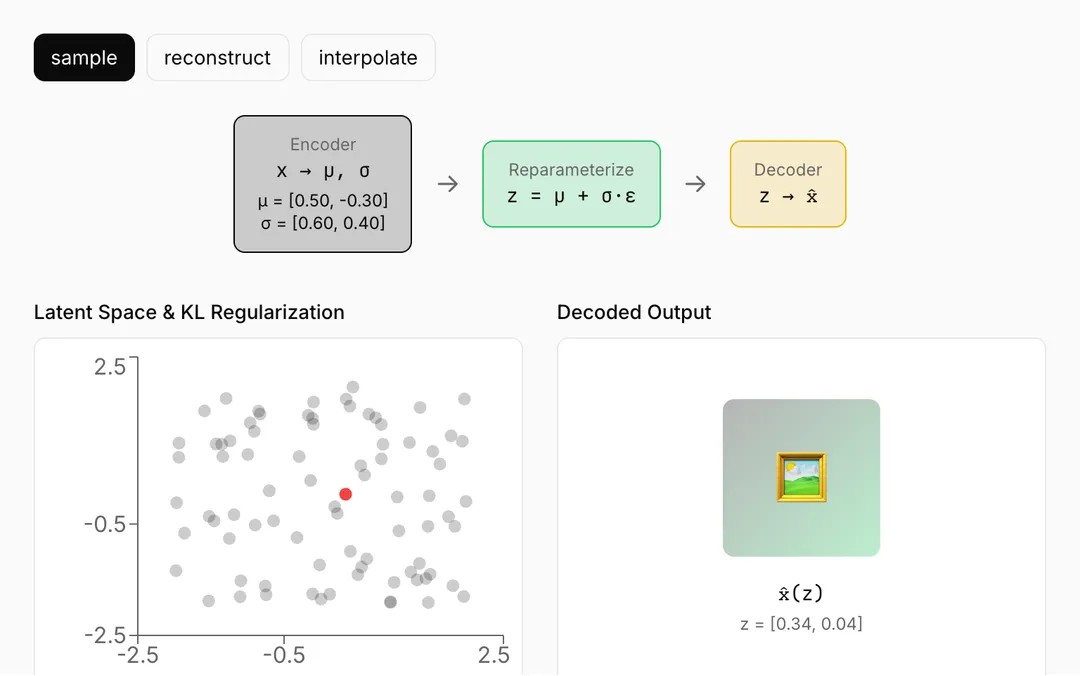
Concept2013
Kingma & Welling
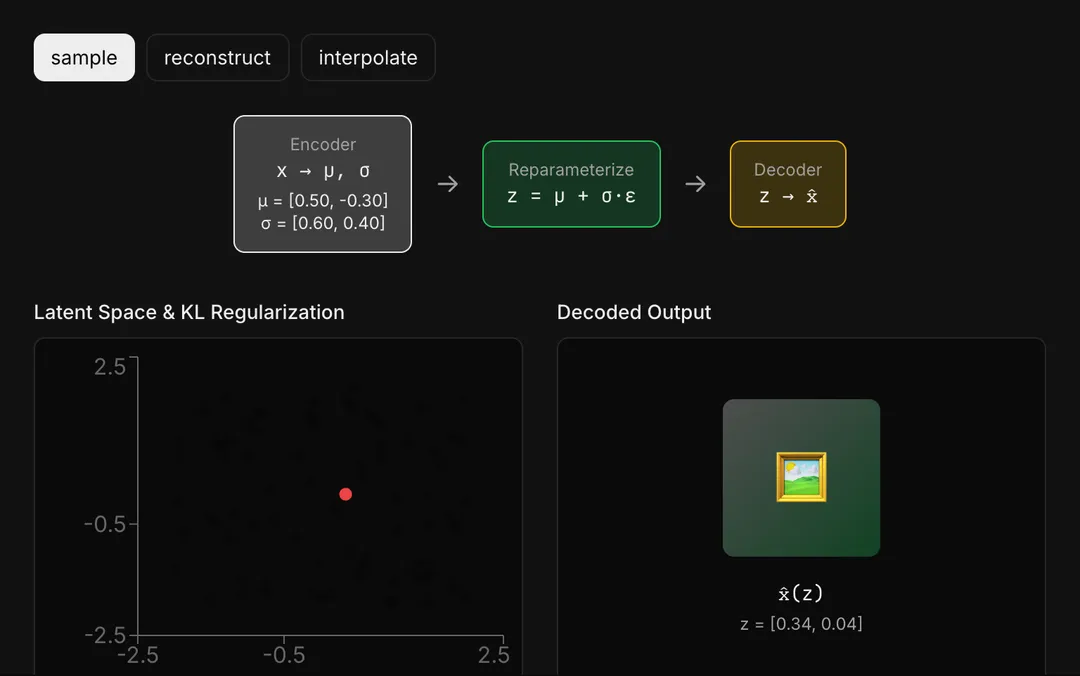
Probabilistic generative model with structured latent space
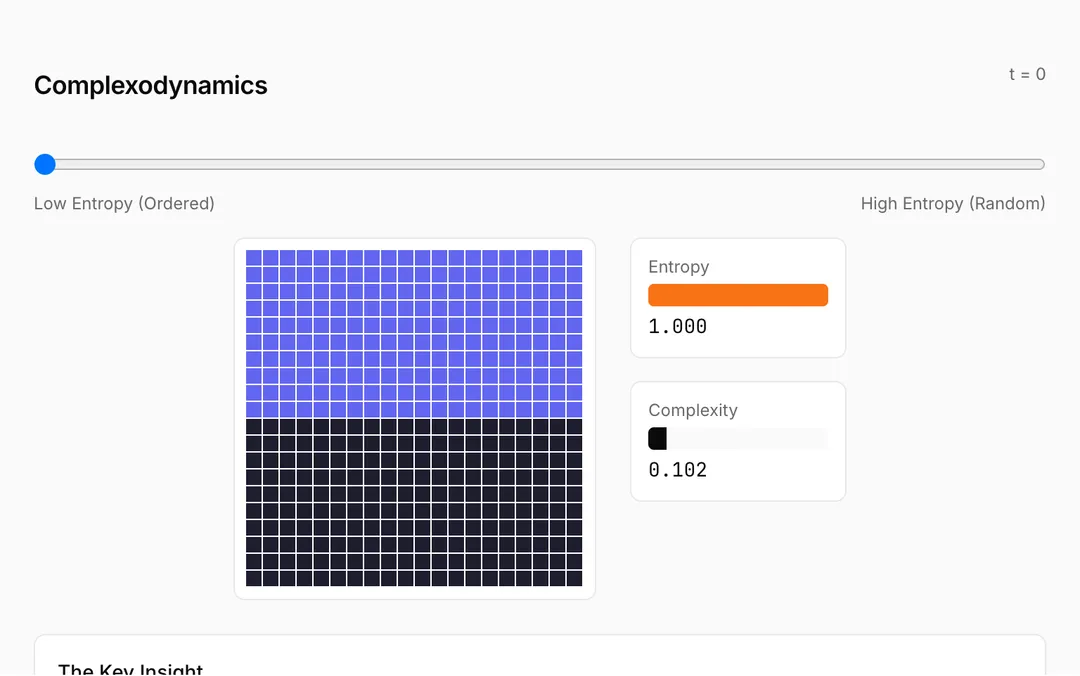
Blog2011
Scott Aaronson
Why complexity rises then falls while entropy only increases

Misc2008
Shane Legg
Shane Legg's PhD thesis formalizing universal intelligence and the AIXI agent
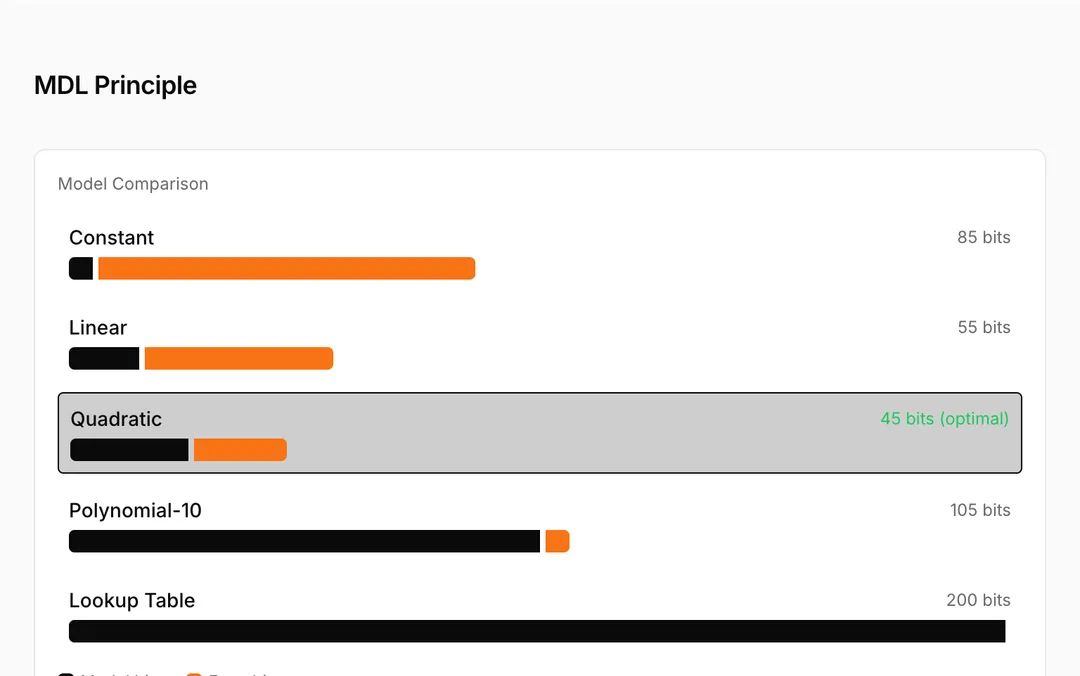
Misc2004
Peter Grünwald
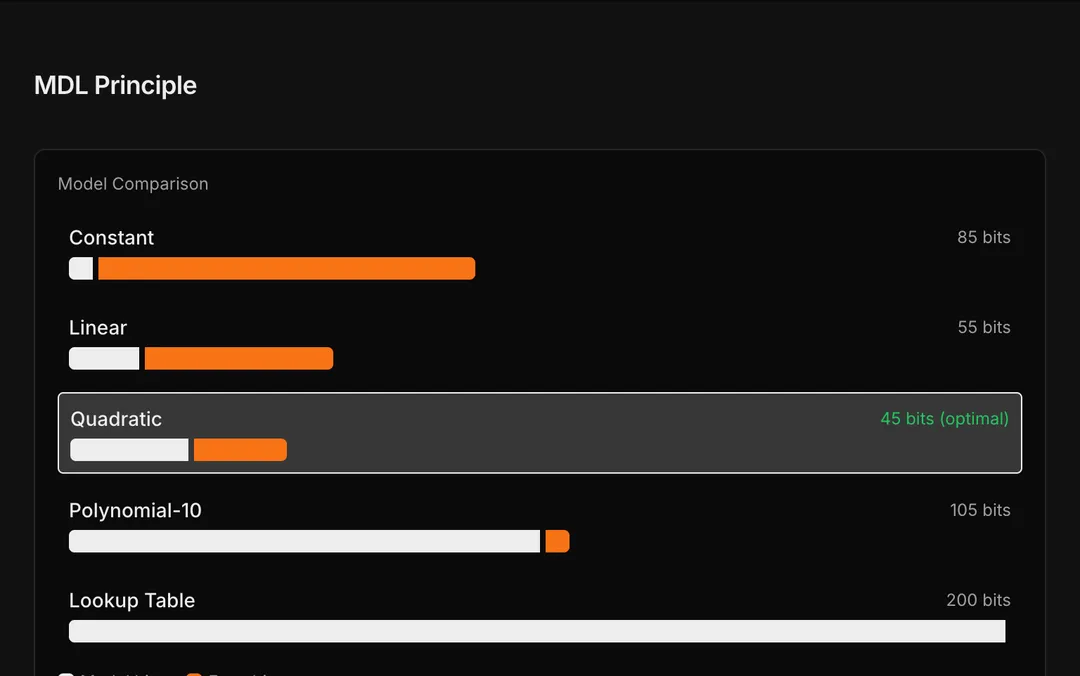
Grünwald's comprehensive guide to MDL for model selection and learning
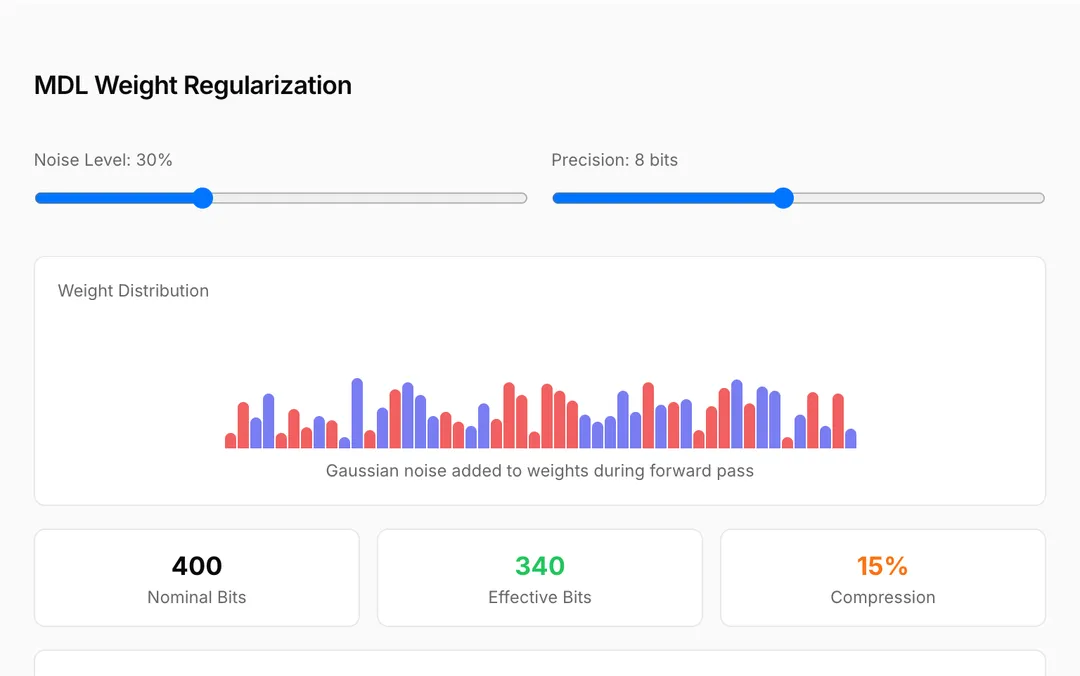
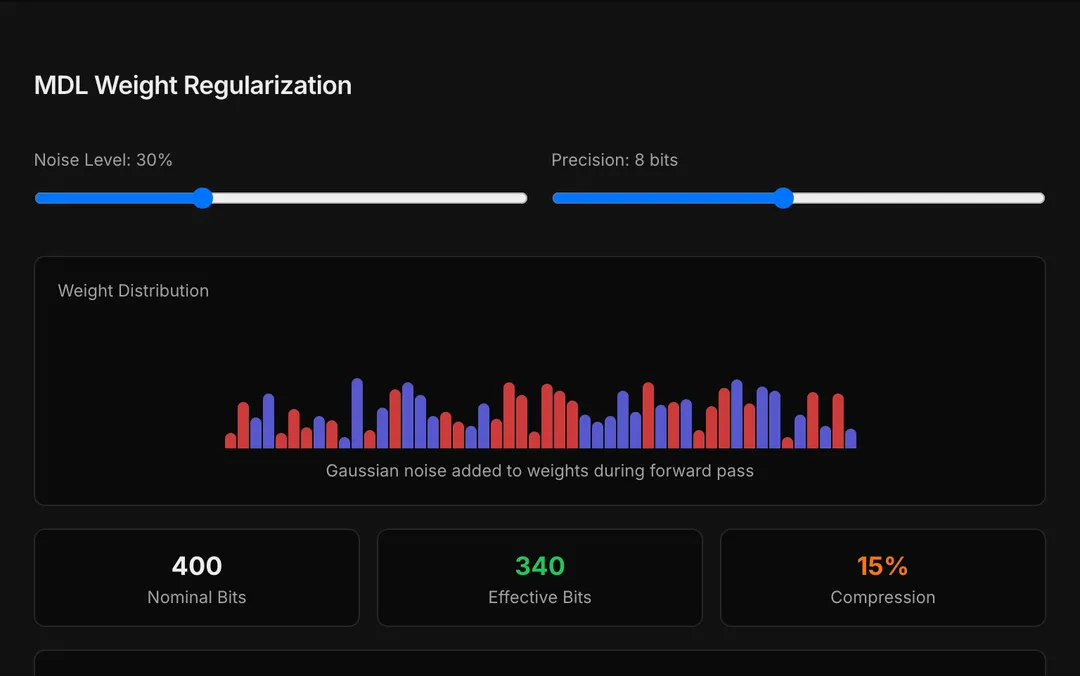
Misc1993
Hinton & van Camp
Hinton's MDL approach to neural network regularization through noisy weights
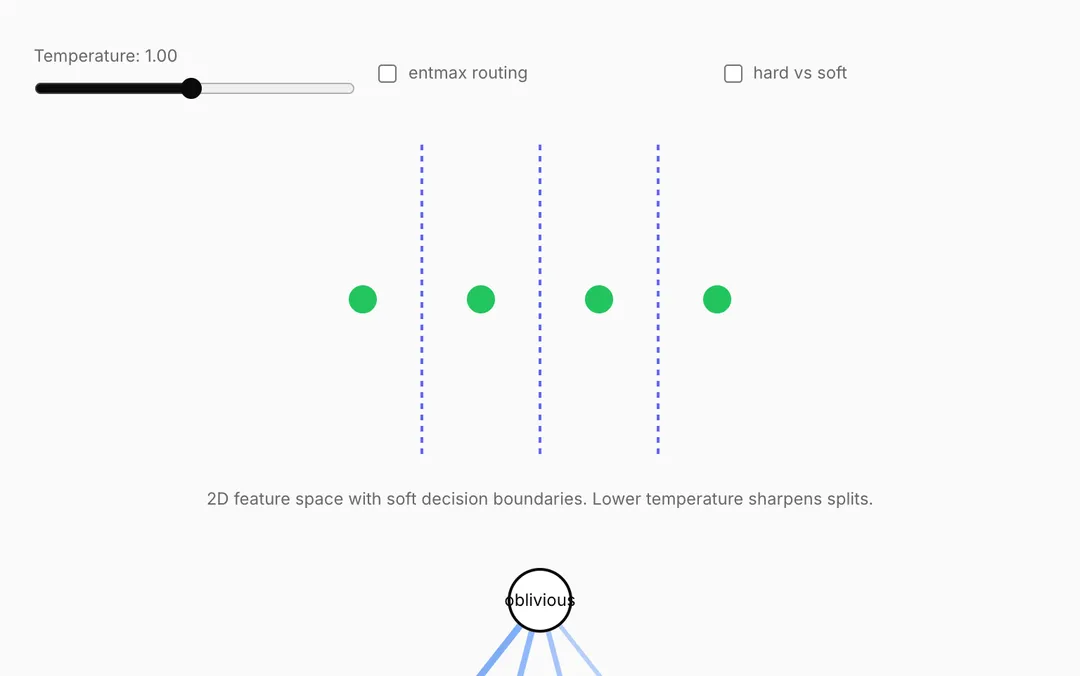
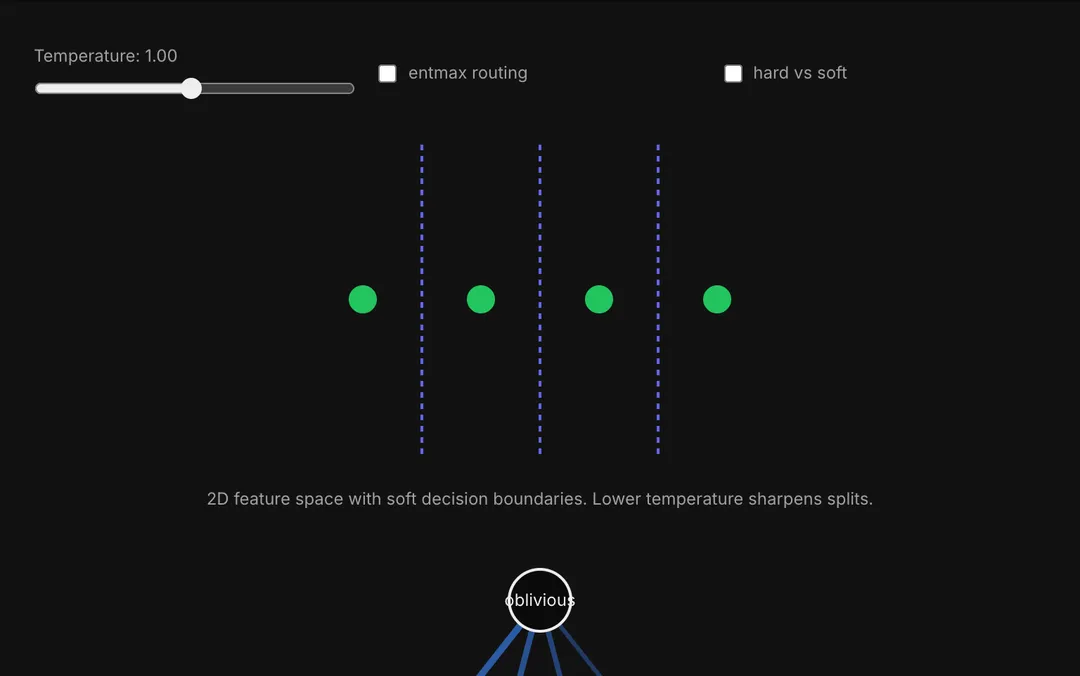
Paper2019
Popov et al.
Differentiable decision trees and oblivious ensembles for tabular learning

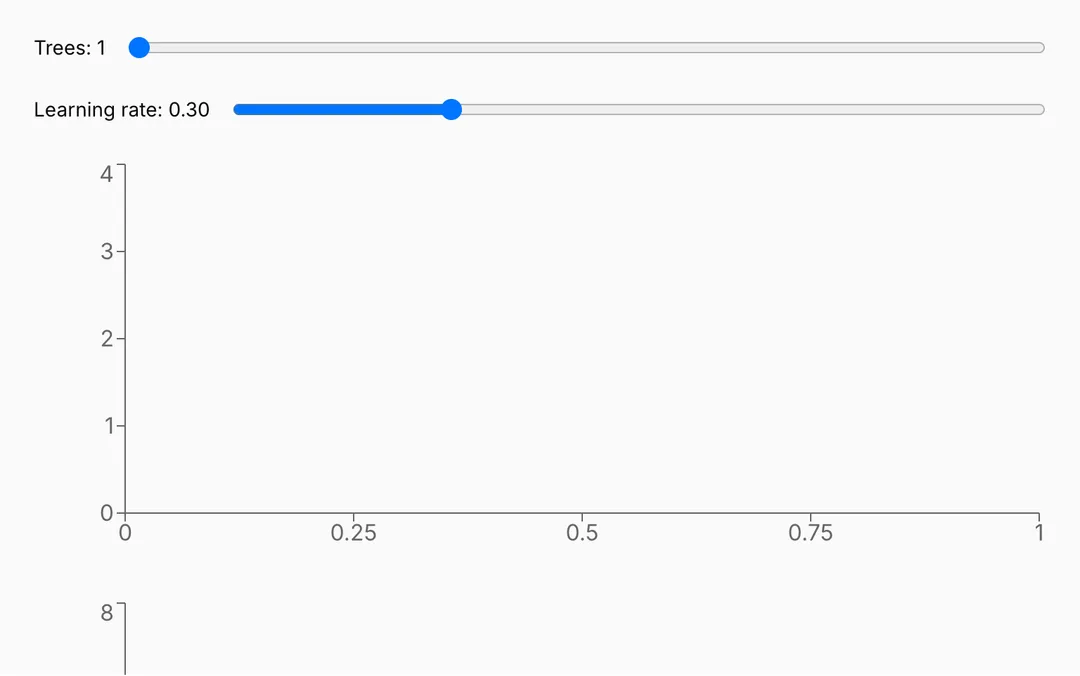
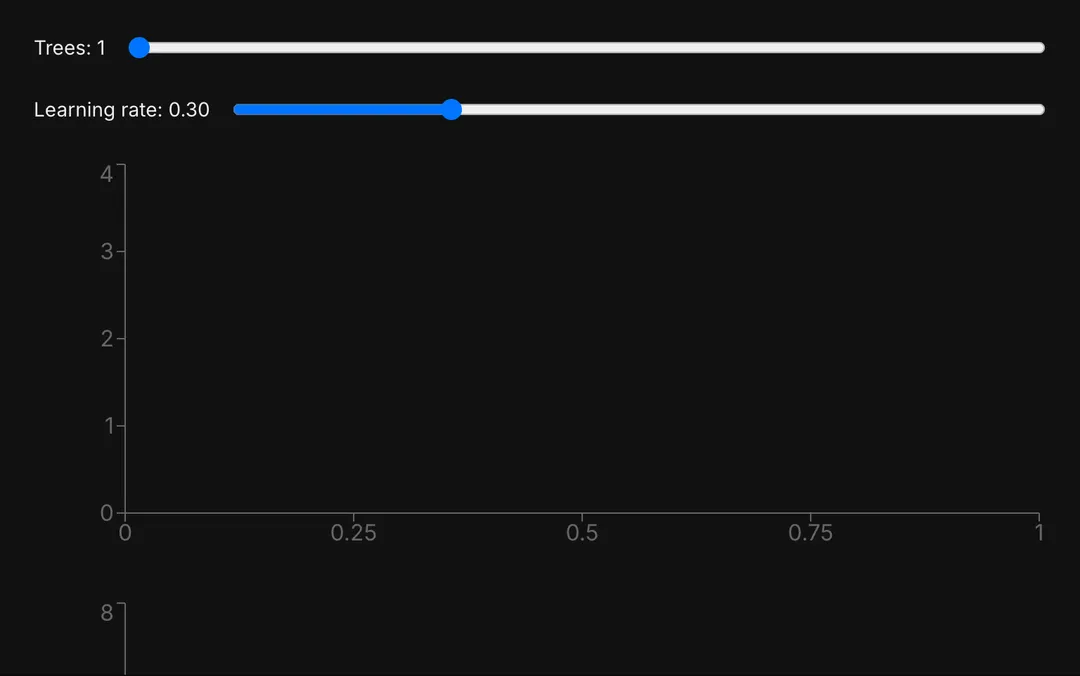
Misc2001
Jerome Friedman
Sequential tree ensembles optimized via gradient descent
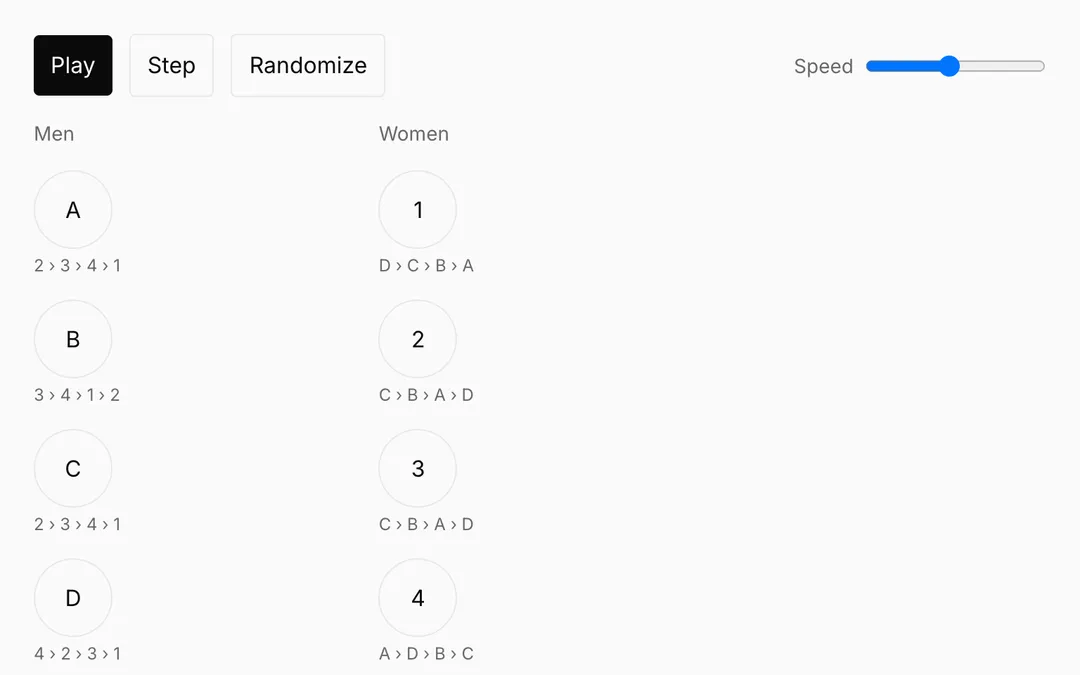
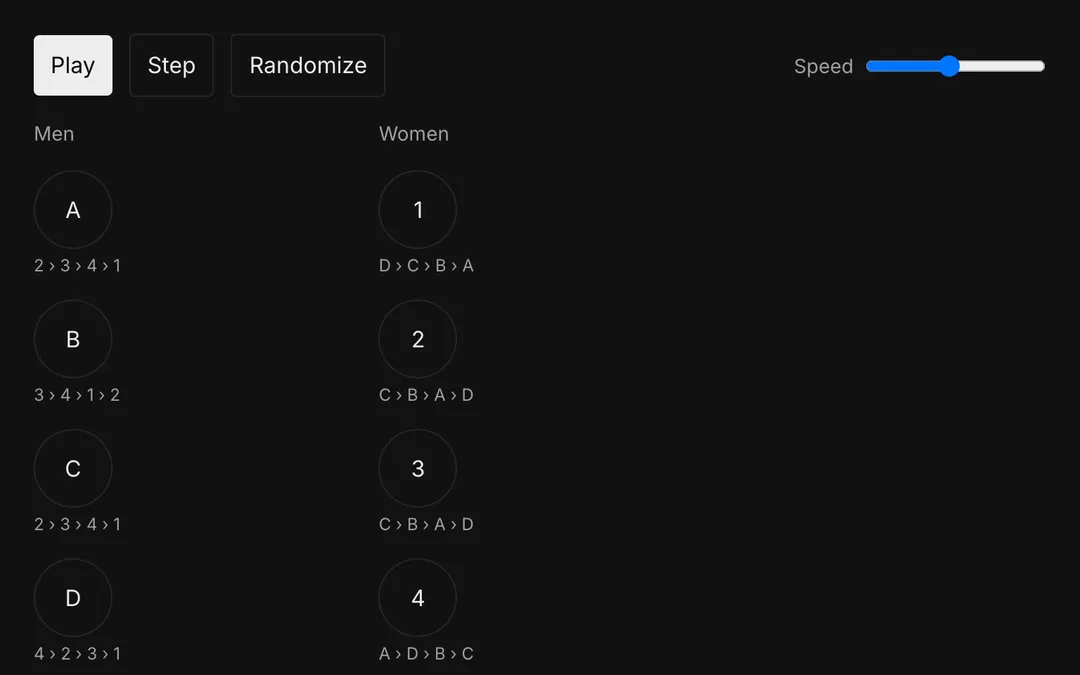
Misc1962
Gale & Shapley
Finding a stable matching with the Gale-Shapley deferred acceptance algorithm
No entries match.