Paper2021
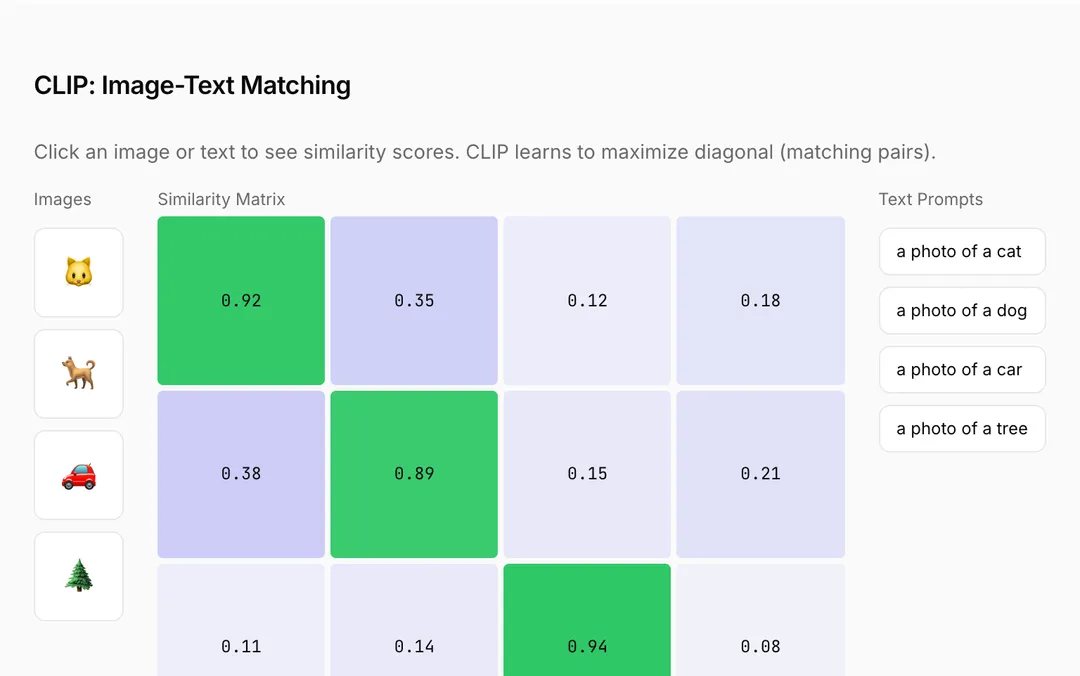
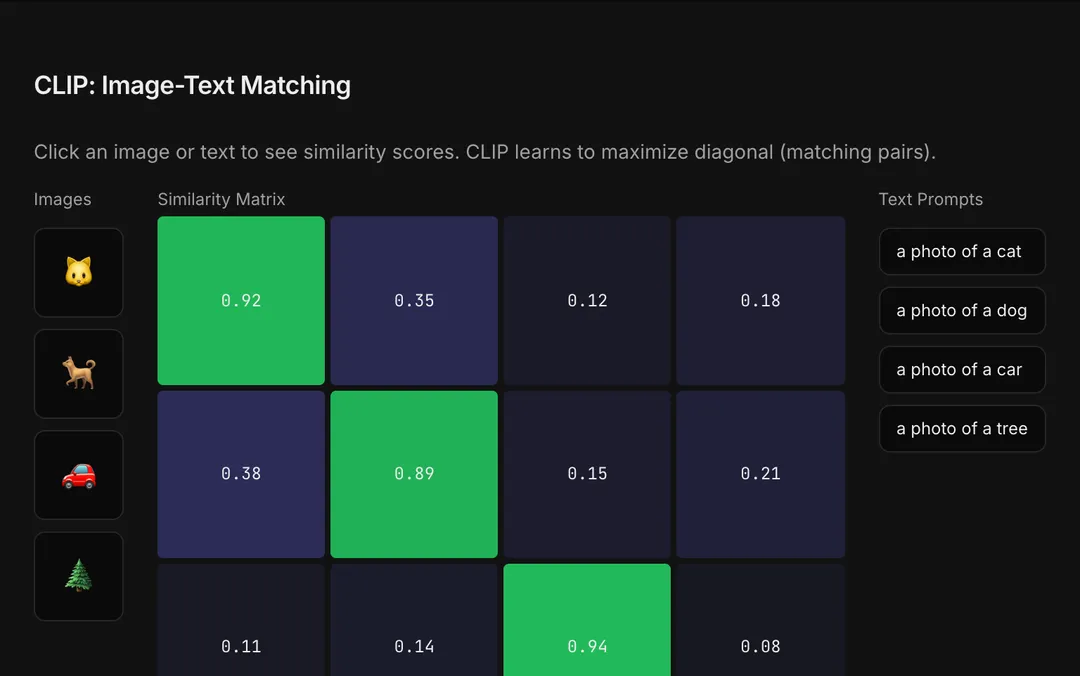
CLIP: Contrastive Language-Image Pre-training
Radford et al.
Learning visual concepts from natural language supervision
10 entries / Filter in the index →
Paper2021
Radford et al.
Learning visual concepts from natural language supervision
Paper2021
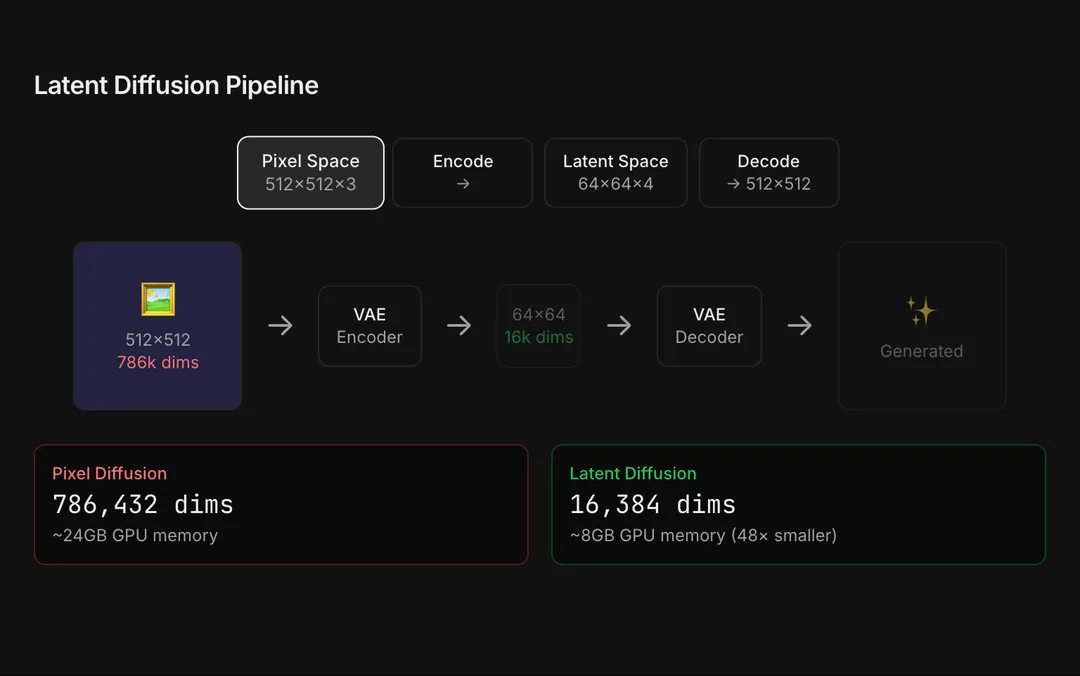
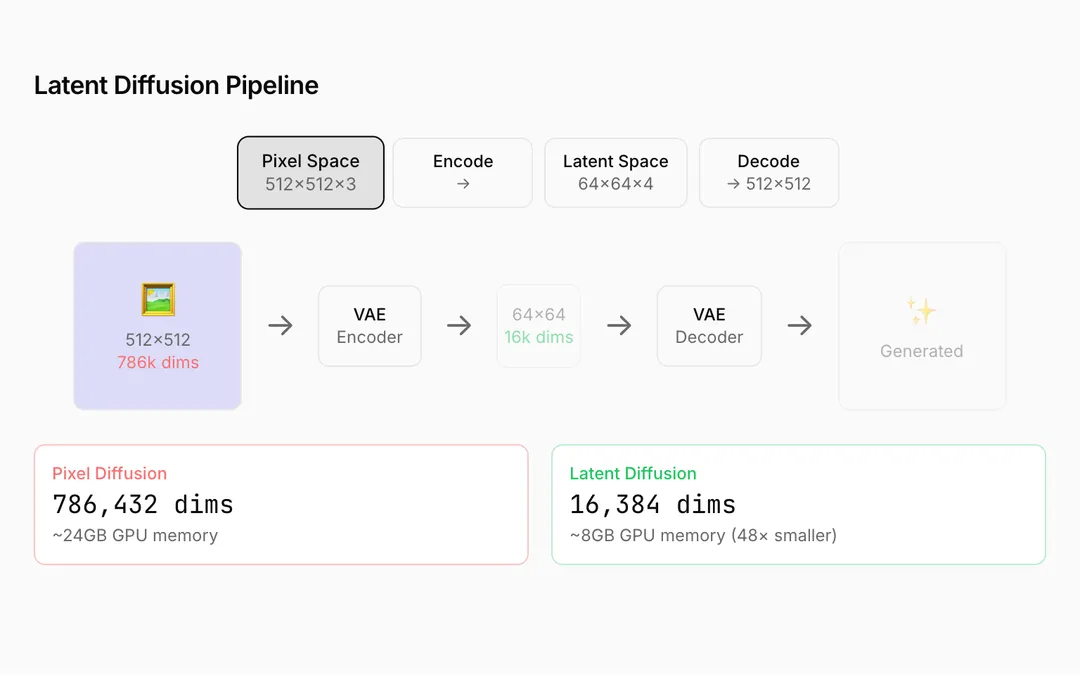
Rombach et al.
High-resolution image generation by diffusing in learned latent spaces
Concept2020
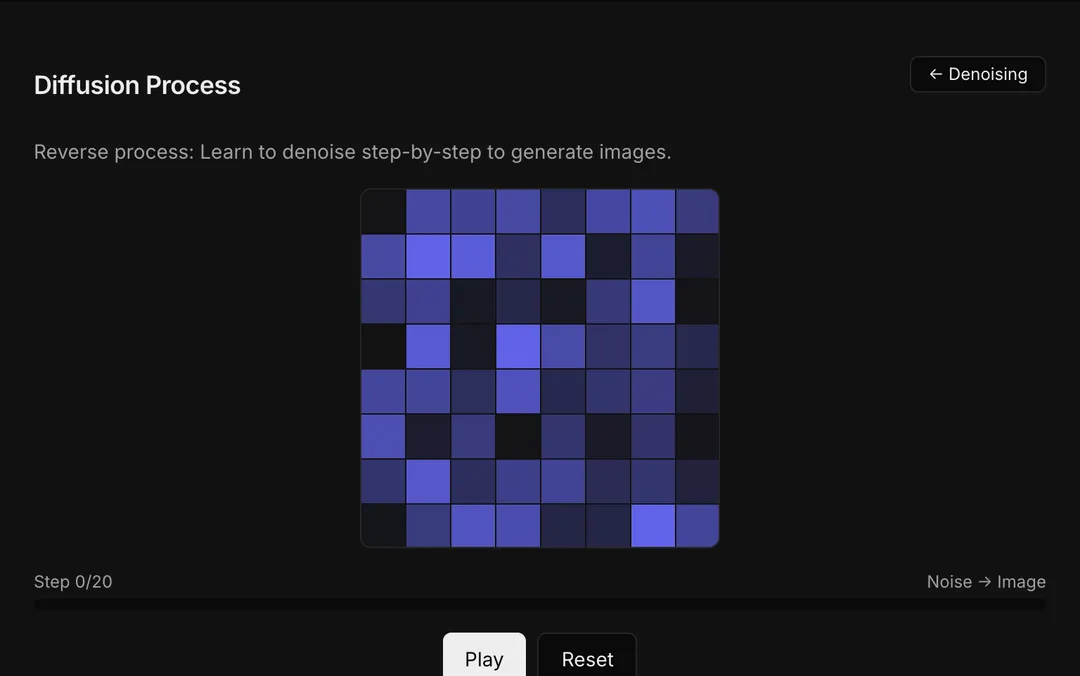
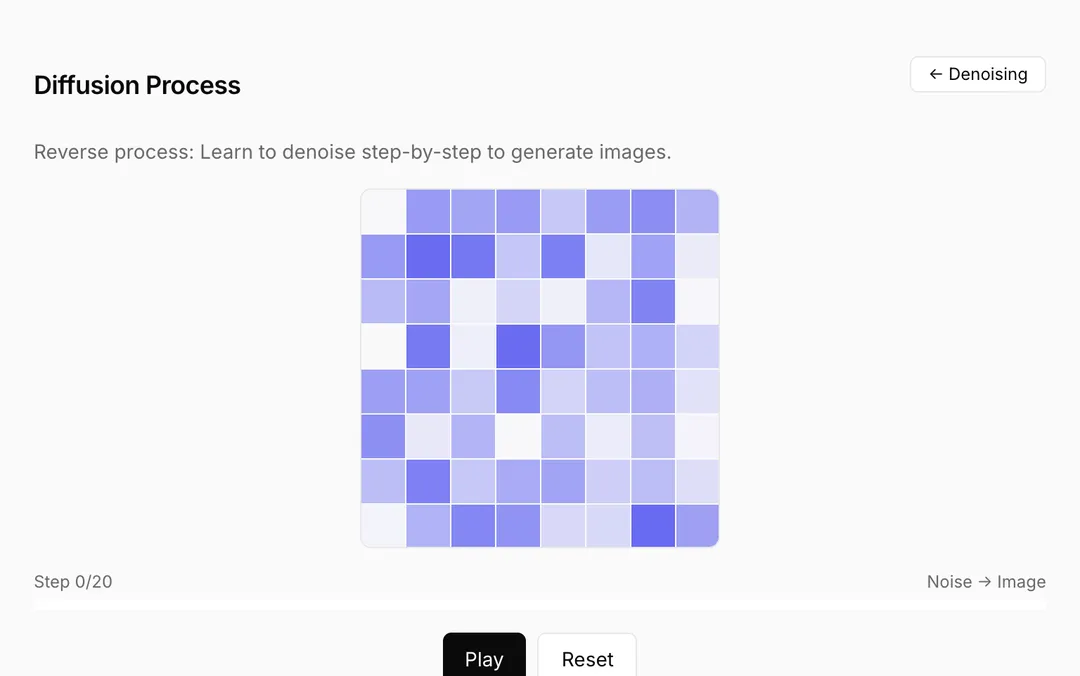
Ho, Jain & Abbeel
Generative models that learn to denoise, enabling high-quality image and video synthesis
Paper2020
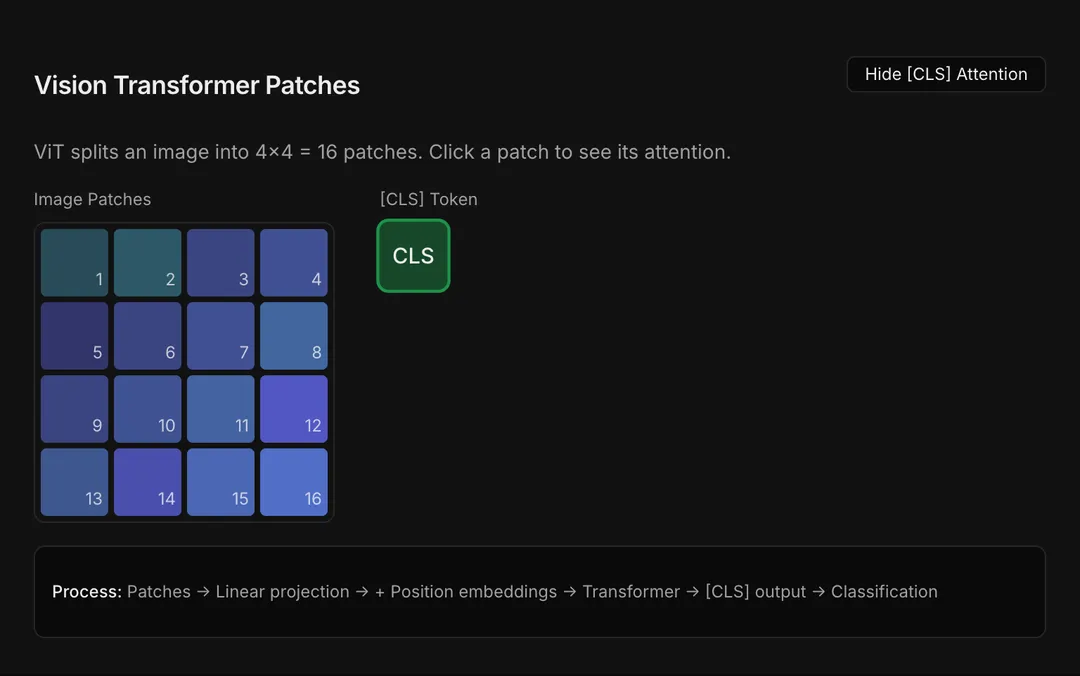
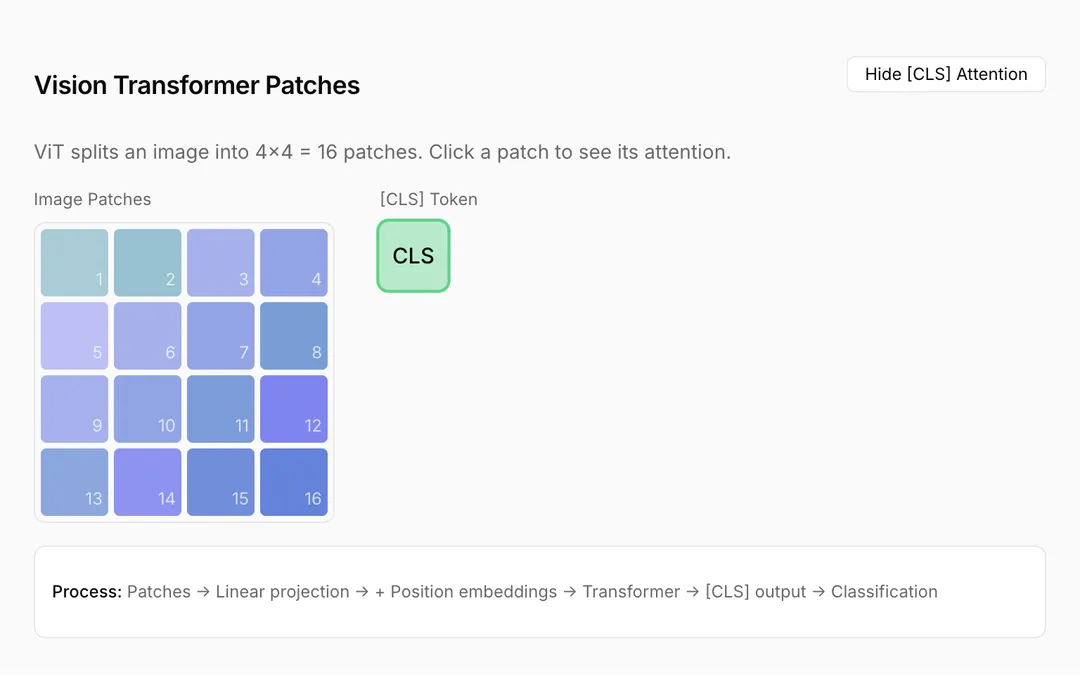
Dosovitskiy et al.
Applying Transformers directly to image patches for visual recognition
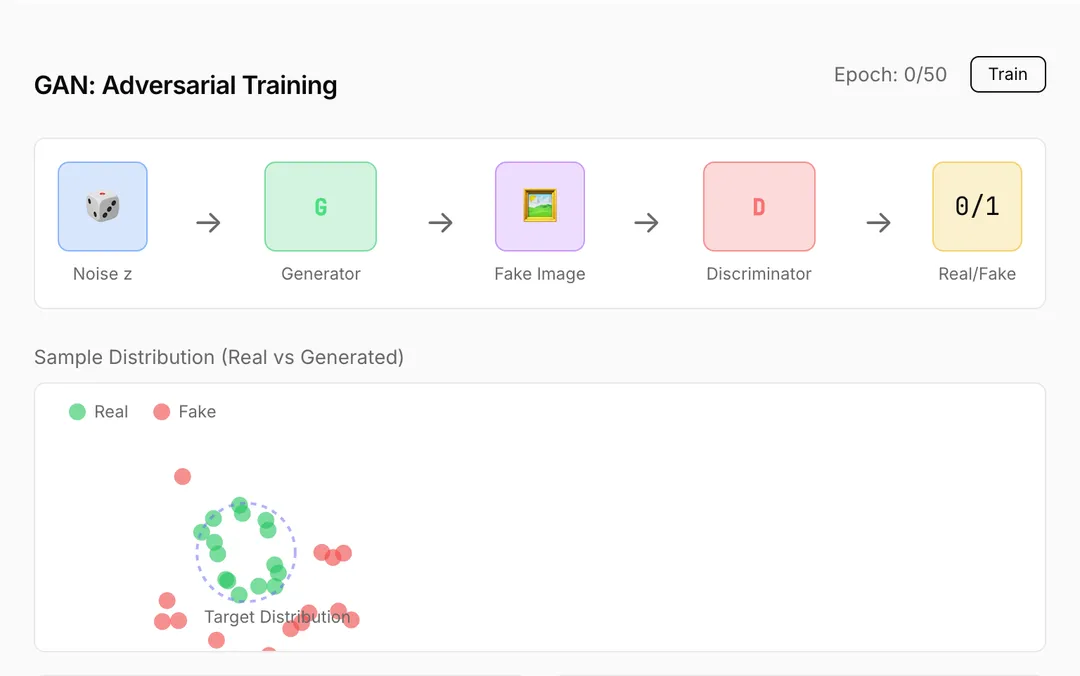
Concept2014
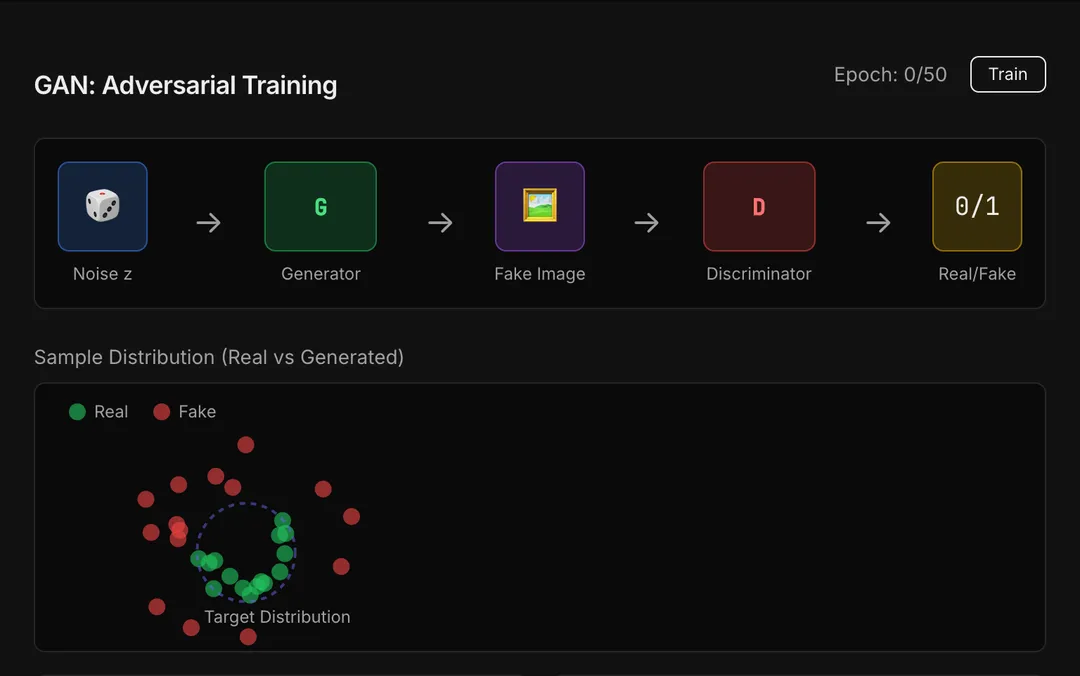
Goodfellow et al.
Two neural networks compete to generate realistic data
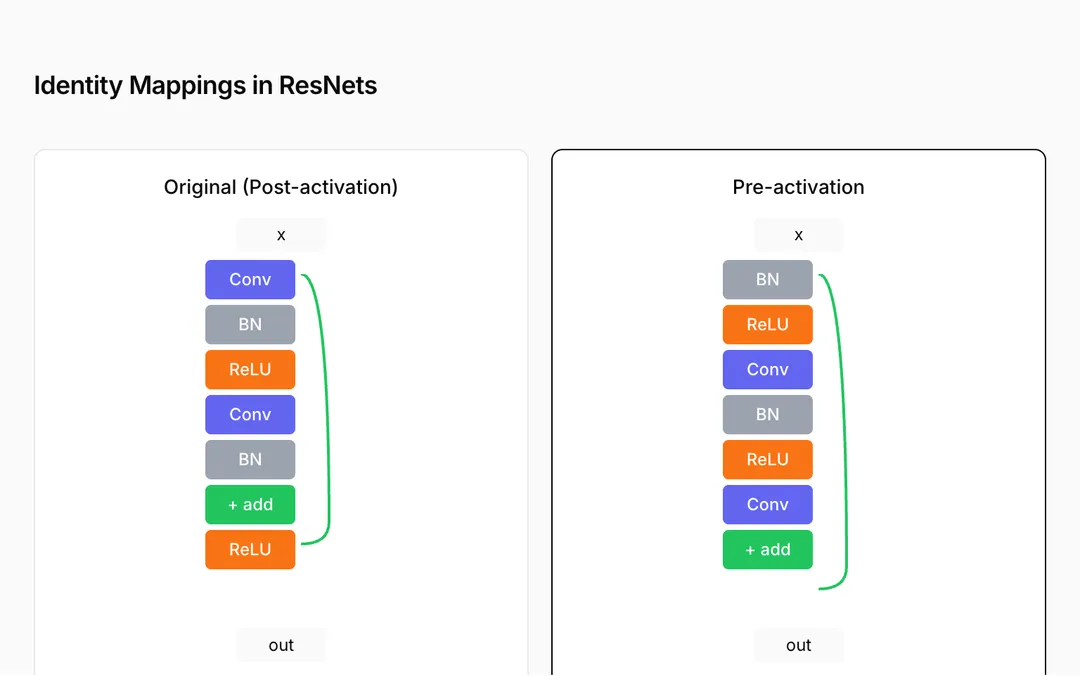
Paper2016
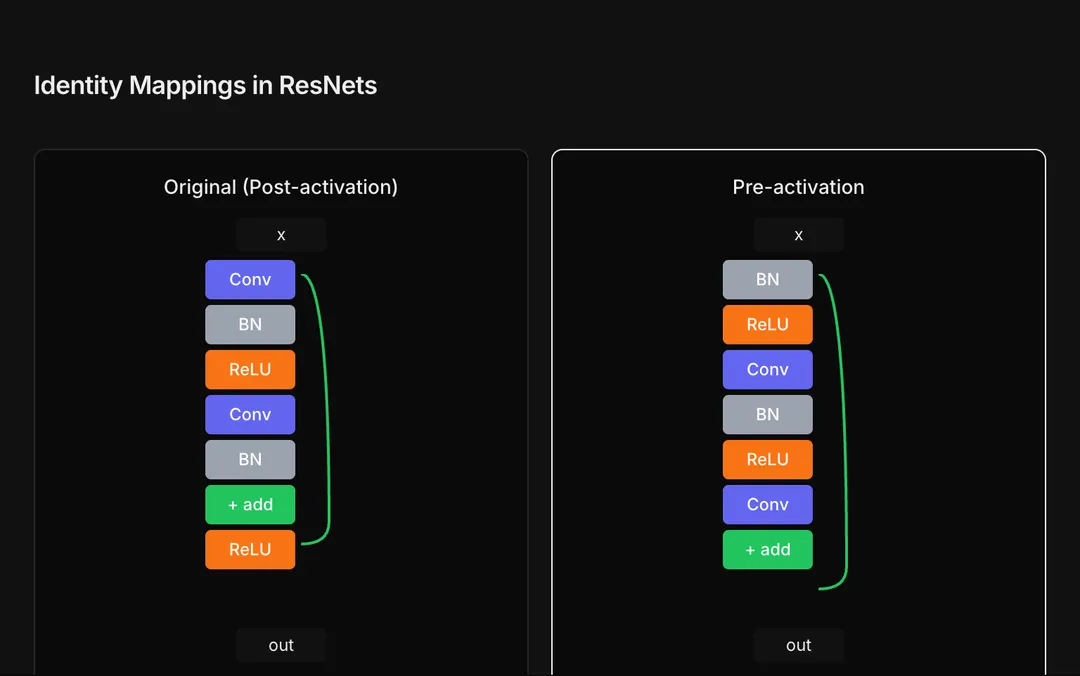
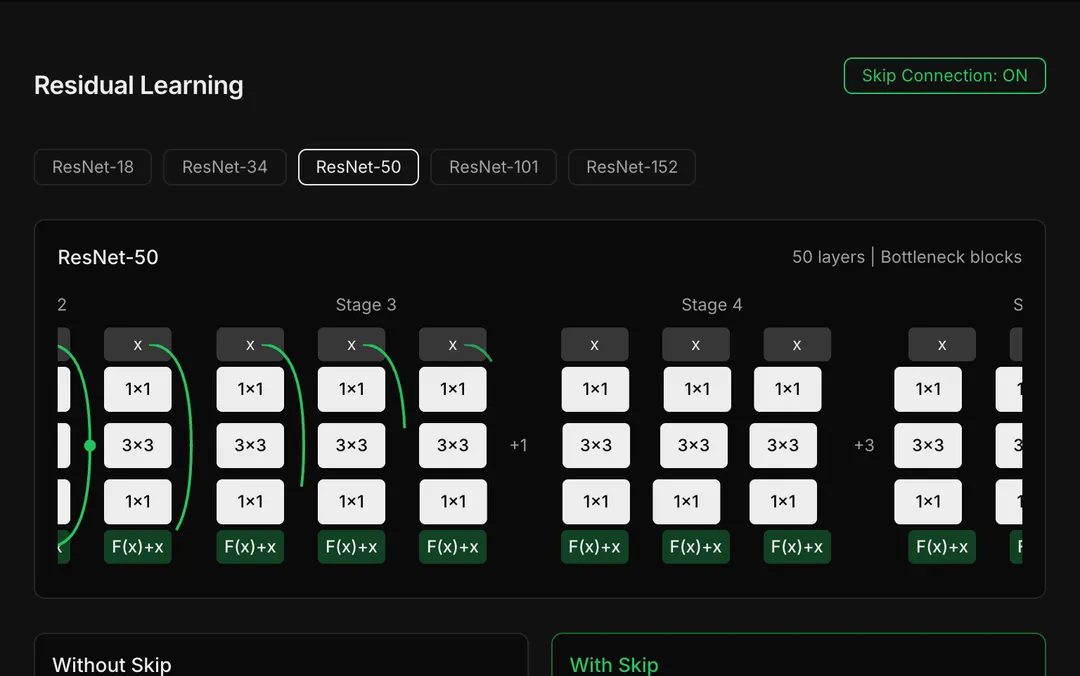
He et al.
Pre-activation ResNet design that enables training of 1000+ layer networks
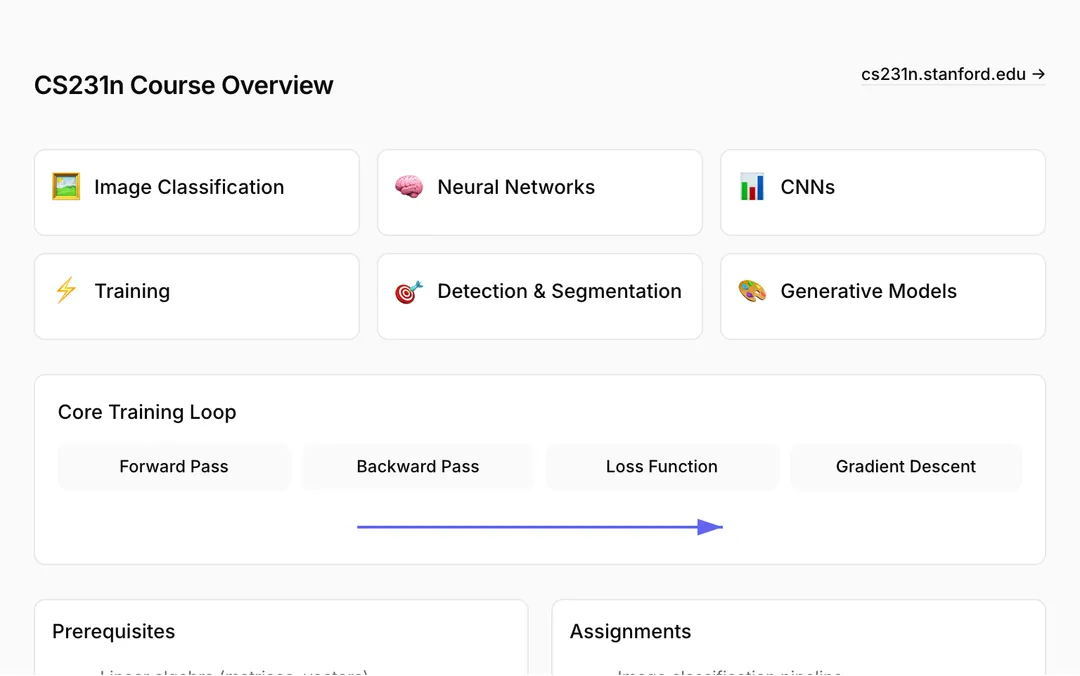
Misc2015
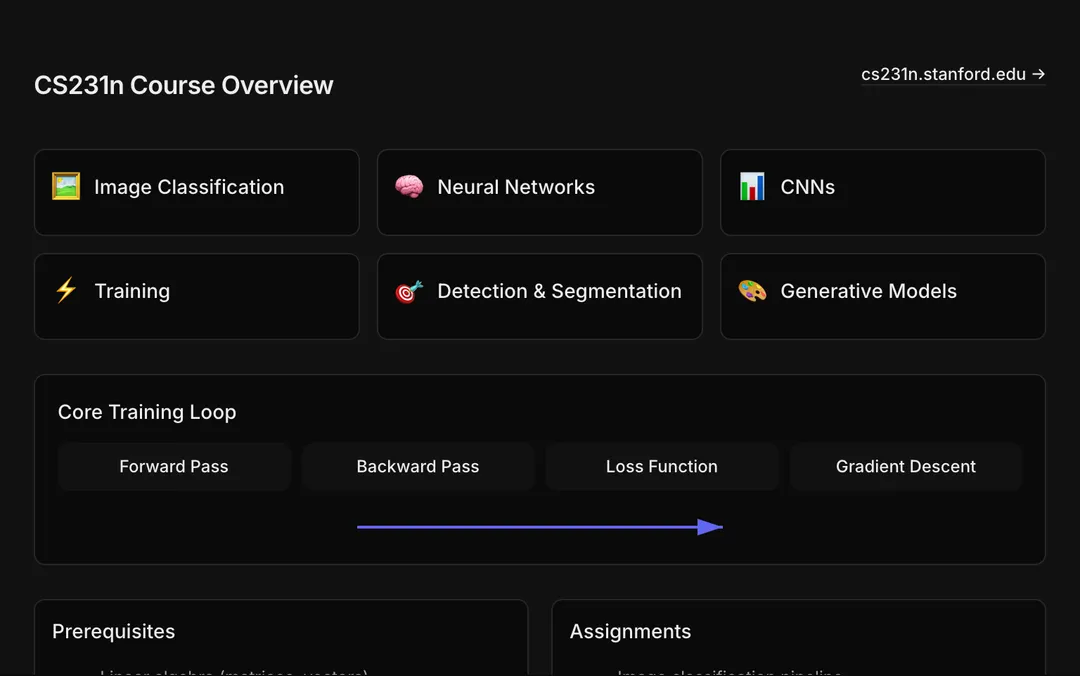
Stanford
Stanford's foundational course on deep learning for computer vision
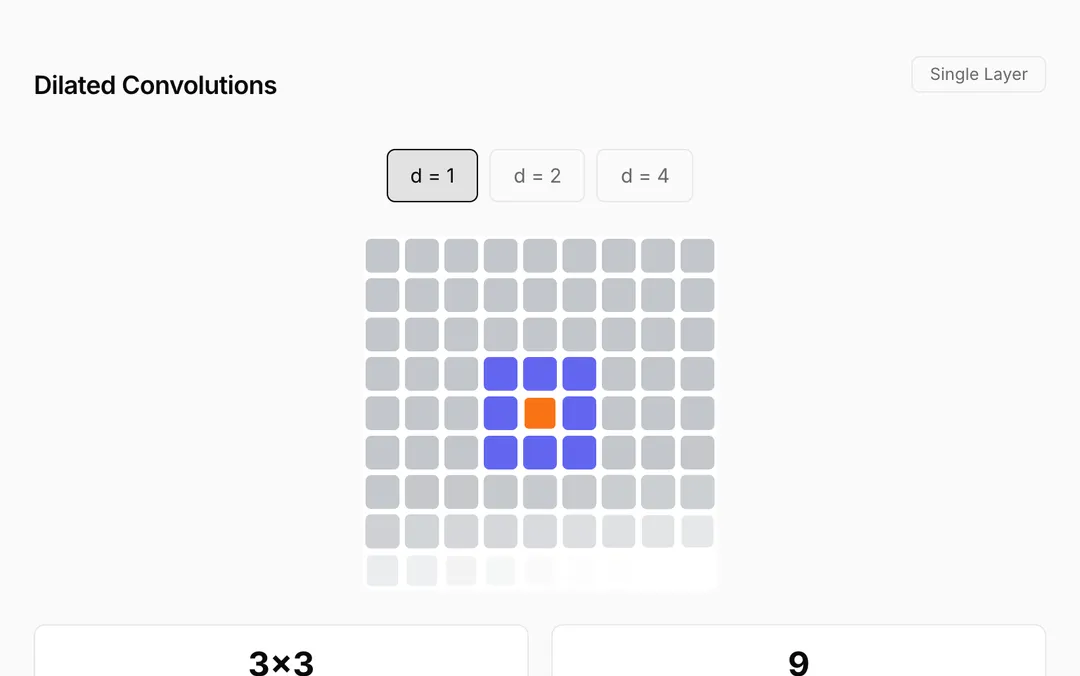
Paper2015
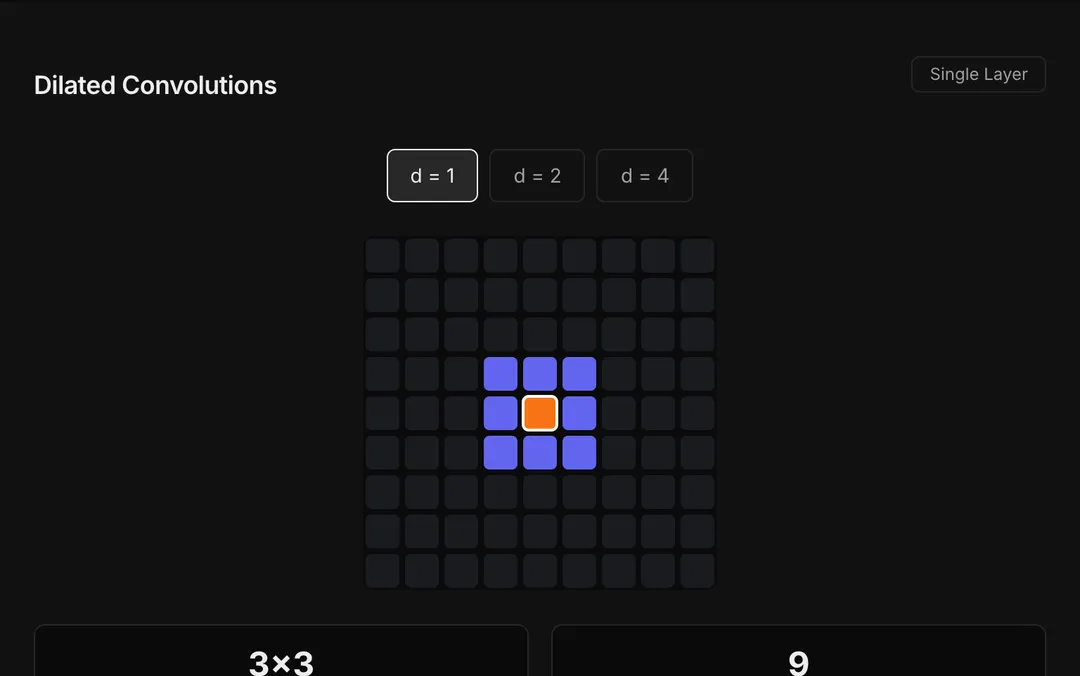
Yu & Koltun
Expanding receptive fields exponentially without losing resolution or adding parameters